
New Year, New Relationships
Each New Year I focus my energy to a single task in my business. As a multi-service entrepreneur, it is easy to put too many to-dos on my plate, so instead, I try to focus on one over-arching task each season

New Year, New Relationships
Each New Year I focus my energy to a single task in my business. As a multi-service entrepreneur, it is easy to put too many to-dos on my plate, so instead, I try to focus on one over-arching task each season.
Last year it was ‘learn how to raise cattle in 18 months versus 24 months’ and ‘grow my online portfolio’ in weddings.
At the end of last year, I’d completed both of these tasks but I felt more alone than ever. Now, I’m an introvert through and through, but this sense of being alone was deep, deeper than I ever thought and ever let myself recognize.
So, per usual I sat down at the end of the year, reconciled my books, looked through the data I’d collected on both the farm and weddings I’d designed for and said, ‘what’s next’. (ps. I love these ‘mundane’ tasks and usually find myself caught up in them). This year it wasn’t a black and white task that came to the forefront of my mind. It was this ‘feeling’ (which I’m not always good at recognizing) in place of a ‘learn this’ or ‘achieve this’ task.
It was the desire to form meaningful relationships.
Sure, it is easy to preach ‘know your farmer’ but I started to question what steps I’d actually taken to know people in my community. What steps had I taken to know the people who trust and buy from me? What did my stance on ‘know your farmer’ actually means to me, this introverted farmer who loves animals and gets anxious in crowds? I have fear, I lack confidence and ultimately it’s been what’s kept me from truly living what I so desperately wanted for my customers. For them to know me, their farmer.
The same became so drastically apparent in my wedding design as well. I’ve met vendors, had coffee with vendors and made some friends in the industry. I’ve serviced my brides, openly communicated with them and had a very happy experience with each of them over the course of the year. But, these people that I’ve met, had coffee with and serviced always seemed to be an arms distance away. Not because I’ve purposefully decided to keep a distance, but instead I chose to lean into what comes naturally to me as an introvert. But, ultimately as a person, I need relationships with more meaning.
I now see how vital relationships are for every person. Every introvert, every extrovert, every entrepreneur, every mother, father, sibling, and the list goes on. We all crave more meaningful relationships in our lives. I think it has become more apparent to me as an entrepreneur because so much of ‘marketing’ and ‘running a business’ seems to be done on the other side of a screen.
And while all that ‘screen time’ is necessary it’s time to practice what I preach and form relationships with you, with my readers, with my customers and clients and those who receive my weekly emails.
So, that is what 2020 is going to look like for me and this business. I’m focused on getting out of my comfort zone, getting to know all the special people that surround me and welcoming you into the pretty and not so pretty parts of running a farm and floral business. I hope to get to know you better and share more of myself with you this decade.
I’d love to meet you, and I’d like to formally welcome you to join me at an event this season. Let’s get to know each other better.

Farm | Our first season of grazing our EQUIP pasture
Our first day of grazing was June 2nd.
Reflecting on our first season of grazing our EQUIP-funded pasture

June 2nd, 2019
Our first day of grazing was June 2nd. I fell significantly behind this spring because I was heavily exhausted in my first trimester of pregnancy and I still had a water line to finish before I could get cattle moved. So, by June 2nd the alfalfa and grasses were significantly over-grown so most of our first grazing in each paddock was trampled vs. eaten.
Our rotation schedule
When I met with my mentor and EQUIP partner this spring she mentioned I would likely move cattle each day, to which I thought, ya I’m sure with how I’m feeling I’ll move them everyday… BUT sure enough I moved cattle each day until July 13th. We had LOADS of grass to be eaten with such a cool and wet start to our grazing season. The cattle trampled and ate and I moved them every day. July 13th things changed with a heat wave and I moved them every two days to keep my work lighter during this time. Of course with that decision I instead made my paddocks larger, which left more to be trampled in the process. But, we got through a few days of a heat index over 100 degrees and we went back to daily moves.
Our first ‘rest’ period was just shy of 30 days for our first rotation, due again to the cool and wet weather we had the grass was growing well. I had planned on continuing with a regulated rotation, however, when an adviser visited the farm he suggested I get my beef back on the best grass instead of being so rigid with my rotation and paddock one was at it’s prime; so I moved them back to that paddock shy of 30 days.
The rest of the summer I maintained a Paddock 1 - 30+ rotation. During the heat of the summer I moved every one to two days depending on my paddock size. I had a few paddocks that were weaker in vegetation so I moved through those quicker than areas with good vegetative stands. I’m dealing with some significantly sandy areas that didn’t seed well so they are thin, leaving very little to eat.
Once fall approached I continued to move every one to two days depending on the quality and quantity of my vegetation.
Thanks to a smaller herd we grazed until November 16th this year!
I made things as easy as possible
I decided before we moved cattle down to this field that with how I was feeling I was going to need to make this first season as easy as possible. So, in the spring I ordered a couple hundred step-in posts and three reels. I set up my entire field with the step-in posts so that with each rotation I was only moving wire. I have to say this was a life-saver for me, especially this season, the less walking laps the better.
Later in the summer my mother purchased a JD Gator for me to use, and that was an incredible help as my energy level diminished with my growing belly.
we made hay
We only grazed 13 head this summer, our capacity is about 30, so this early grazing season we decided to take first and second crop hay from one side of the acreage and the area we cut totaled about 8 acres. Since we had such a great growing season we felt that it would simply age-out if we didn’t cut it since we had very few mouths to feed.
We only cut the areas that were heavy alfalfa which happened to be a big swathe down the middle of our field, so it made some pretty great hay and bounced back for our third rotation of grazing quite nicely.
We ended up in the end taking first and second crop hay and stock piling to extend our grazing season as well as the additional mouths we added in the fall.
things i learned
The biggest thing I learned this season was to be flexible. I thought each paddock should be evenly spaced, that my rotation should go in a certain pattern, and that I should graze my entire field in the same manner. The fact is however, that our 20 acres are very different. Some areas have abundant alfalfa, some clover, some grass and some with heavy weeds which all graze differently and need different periods of rest. I also learned to be patient (aren’t I always learning this in farming). I started the grazing season frustrated with the ‘unevenness’ of growth, diversity and size of my paddocks. I like things even, similar and predictable, again when will I learn farming is NOT predictable.
Overall, I am thrilled with what the pastures produced this year, calves got fat and nothing was over-grazed. I look forward to continuing to see changes and developments with future years of grazing and management. We’ve come so far but there is still so much room to grow!

Our field after the east side was grazed and the west side was cropped.
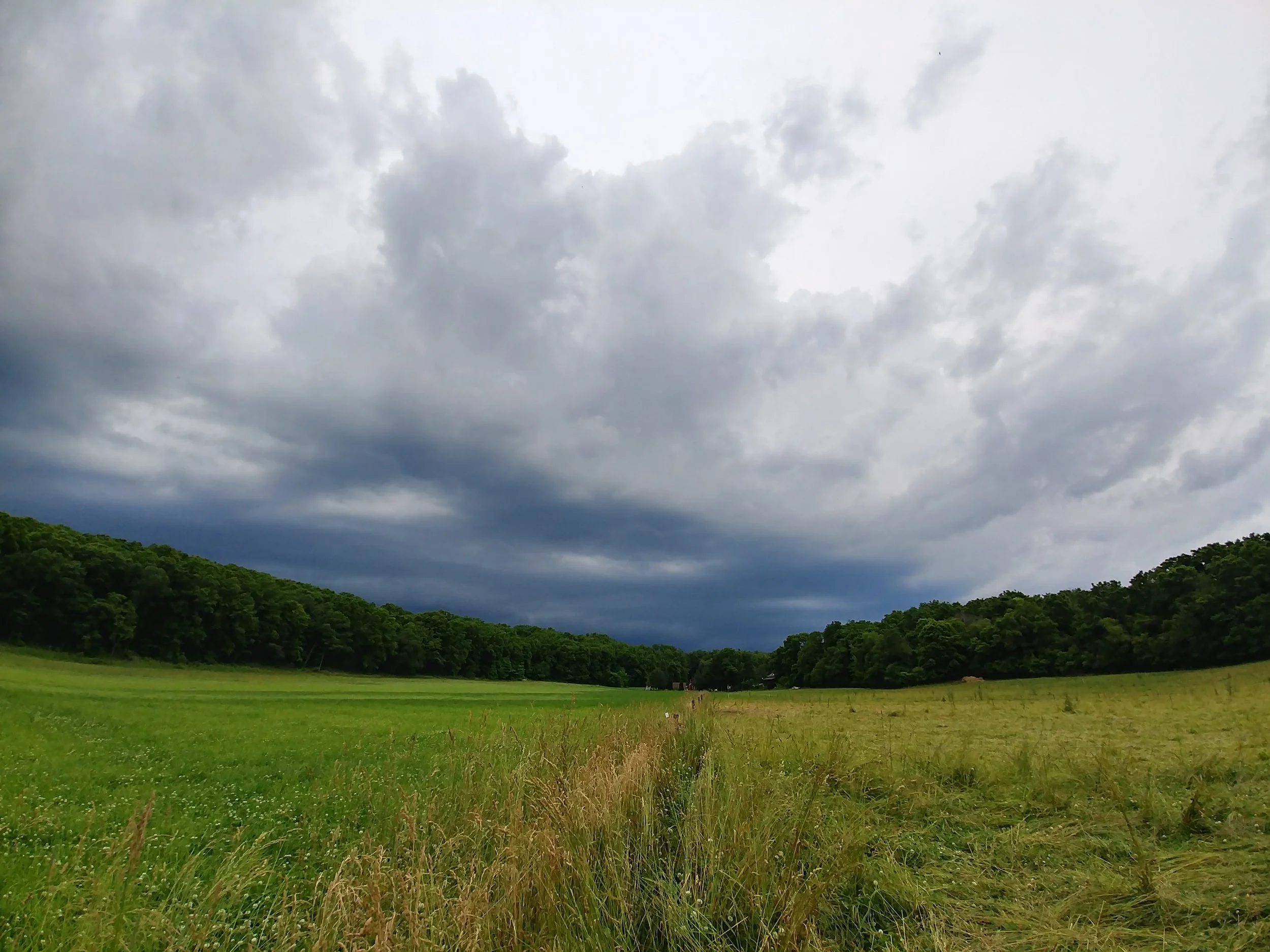
East side after first rotation, west side after first cropping, view from south

View of our cattle grazing the east side, two day moves, view from south.

Rotation #3, view from South


Farm | Sheep Pasture Renovation Update
Here’s an update on how our sheep pasture renovation is coming along!
how our pasture renovation is coming along
This spring we did a lot of brush clearing and some frost seeding of desirable grazing grasses and legumes. Now in early June I’m happy with our results so far. Now I’m going to be using sheep to keep the weeds and brush managed over the course of the grazing season, they are great little mowers.
Check out how it looks in the video below.

Farm | Food Inc.
Most would argue that I was born a farmer, and they would be mostly right. But my passion to farm was given purpose because of one class during my final year of college.
Food Inc.
THE VIDEO THAT CHANGED THE WAY I EAT
Most would argue that I was born a farmer, and they would be mostly right. But my passion to farm was given purpose because of one class during my final year of college.
I was sitting in one of the classes that I would have initially written off as ‘a waste of time’, it was a non-degree filler course and I definitely looked at it that way.
However, one day, I sat down in that class unprepared for what I was about to be confronted with. The title ‘Food Inc.’ splashed up on the big screen and my curiosity sparked for the first time. Then, as the film began rolling I became incredibly uneasy. What was flashing before my eyes was the incredibly inhumane treatment of livestock in the ‘modernized’ food system.
It was down right horrifying to watch cattle being drug off trucks with skid steers, ALIVE, because their legs had broken in transit. To watch female pigs give birth and not to have room to even lay down comfortably, and to watch chickens being de-beaked and living in their own waste.
What was as equally horrifying is the unhealthy levels of antibiotics in our food, the tasteless, fattening substitutes that have been made in the effort to keep things ‘cheap and quick’.
It changed me and it dramatically changed the way I looked at the meat on my table.
WATCH THE TRAILER FOR FOOD INC.
I HAD TO BE PART OF THE CHANGE
The only way I could see myself continuing to eat meat, was if I could be certain that it was harvested from livestock who live natural and comfortable lives. Which quickly lead me to the conclusion, I had to be a farmer that helps others make a change at their own dinner tables.
I had to make my ‘dream farm’ a farm that brought people in who had also been confronted with the horrors of our modern livestock systems. People that want healthier, tastier meat that was raised the right way, with the animal’s welfare at the forefront.
YOU CAN be part of the change
You can choose what your food dollar supports and I believe there is great power for change in your choice. You can choose to eat your meat with the confidence of knowing how it was raised and harvested. You can buy from local farmers so that you can get all your questions answered.
You have a choice and you have the power to change the way you and your family eat. I’m here to help you make that change.

Farm | Why We Decided to Farm
During our final semester of college farmer Brit was exposed to the documentary Food Inc., which is quite frankly horrific. Food Inc. documents some of the practices in the modern food industry, particularly the meat industry in America.
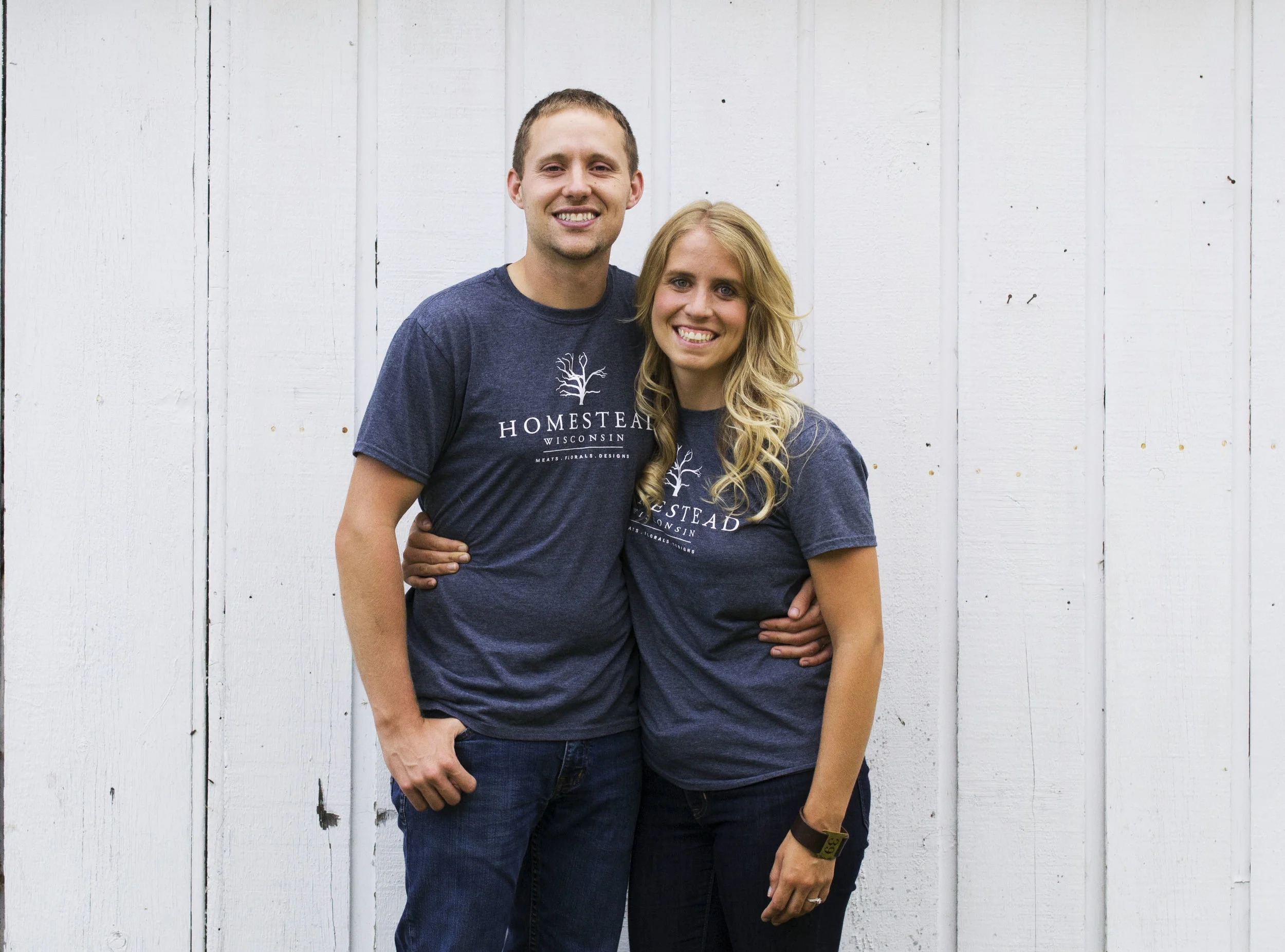
Why we farm
we wanted to know how our meat was raised
During our final semester of college farmer Brit was exposed to the documentary Food Inc., which is quite frankly horrific. Food Inc. documents some of the practices in the modern food industry, particularly the meat industry in America. After being confronted in such a dramatic way we had to face the harsh reality that we didn’t know where the pork on our table was raised, how our chicken was fed, or how our burger was processed. The scariest part for us was that we had not even questioned it before.
Flash-forward to our post-college life and we knew we wanted to make a change in our eating and purchasing - of meat products in particular. So we started raising our own cattle, just for us, and put our dollar to work in our local community with our purchases from local farmers. But, our own necessity for knowing how our meat was raised grew into a burning passion to make a bigger impact.
we’re passionate about connecting you with your food
Which leads us to today. We’re raising beef and lamb for dozens of families in our community and keep an open door policy. Our passion is sharing our farm, our livestock and all aspects of of raising beef and lamb with you. From babies we bring home or birth right here on the farm, to their ‘one bad day’, to how we actually feel about the meat industry, we’re open to sharing it all with you. We believe that what you eat shouldn’t be a secret and your farmer shouldn’t be a corporation.
Our promise is to do our best to answer all your questions so you can dine with the confidence that your meat was raised in the manner you expect.
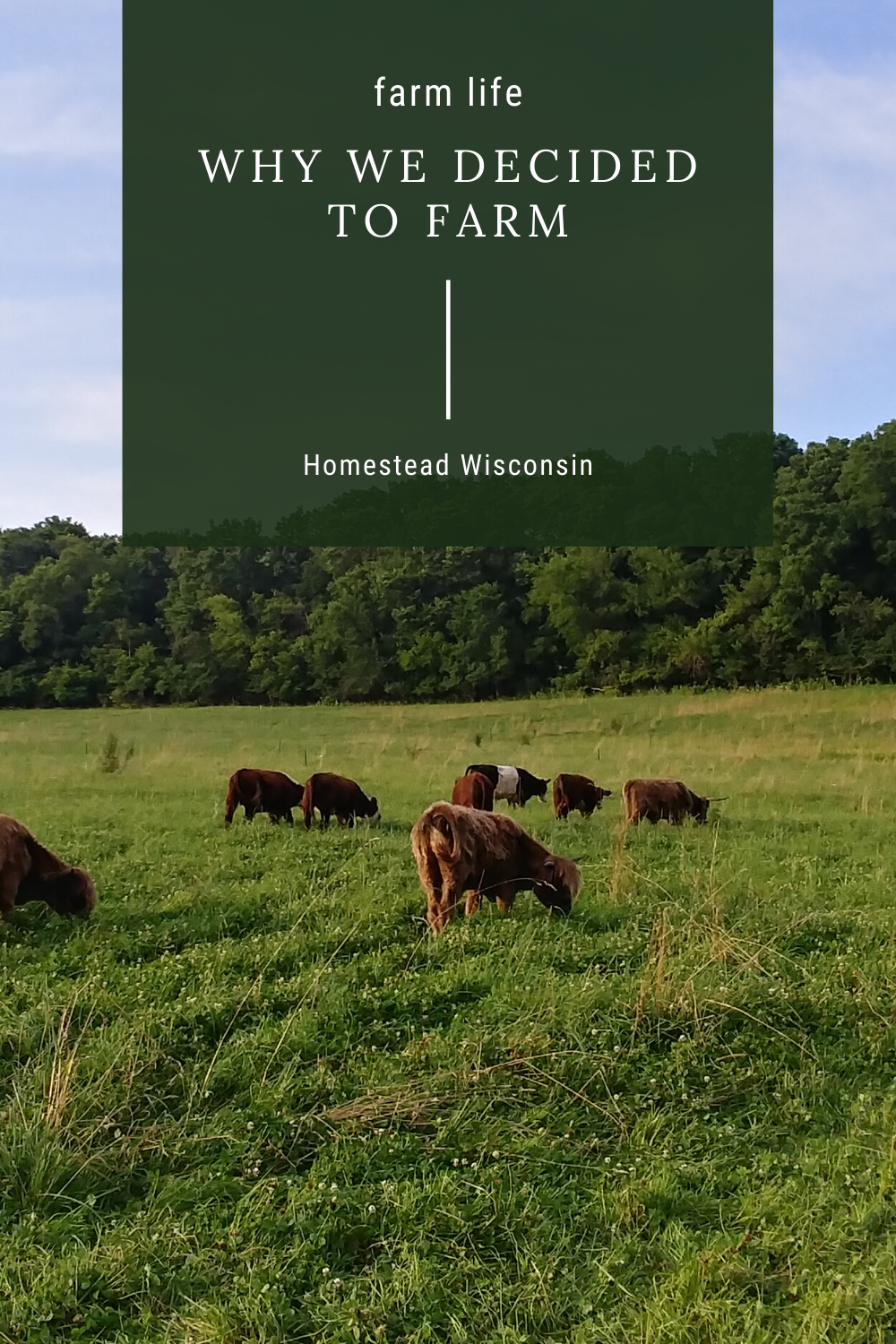

Homestead | Ringing in a new year
This is always my favorite time of year. I’m a dreamer and a do’er and I thrive on setting goals. So, this time of year always energizes me as I look back at last year and look forward to a new year in front of me.
ringing in a new year at homestead
This is always my favorite time of year. I’m a dreamer and a do’er and I thrive on setting goals. So, this time of year always energizes me as I look back at last year and look forward to a new year in front of me.
Some of the things I’m looking forward in this new business year is: growing our leather offerings, maintaining our growth in our herd, posting a vlog on a monthly basis to show more of the farm and floral studio with you, welcoming my first couple to the floral studio, celebrating with double the couples than I did in 2018 and taking classes to improve my knowledge in some of my weakest areas.
A New Year wouldn't be the same without thinking about where you’re going right? Last year I focused on being intentional. It was a beautiful year in many respects because I left one thing to focus on. I developed systems for more efficiently running my business, I focused on what really mattered in developing this farm and I connected with so many amazing vendors, farmers and couples that allowed me to grow both in my business but also in my personal confidence.
Intentional thinking and buying is now part of my daily business routine. I find myself consciously thinking through every decision, how it benefits my work flow or my customers and I’m thankful for a year that helped me develop this skill. It conveniently translated into my personal life and buying and I’ve begun to find myself focusing so much more on my community than I did in years past.
With last year’s success in intertwining intentional thinking into my daily life I’m excited to focus on another area this year. This year I’ve decided to focus on balance. Last year the farm controlled our entire life. While it was a season, and really a much needed season for the growth of this business, this year I want to balance business and personal growth. I want to balance the amount of time I’m developing this business and the amount of time I’m spending with Matt doing things we love together. While it won’t be a perfect 50/50 balance, I’m excited to push myself to work less and enjoy our time together without distractions even more. I anticipate that taking some time away from work will help me develop this business even further than I could if I spent every hour trying to make it work.
I hope you’ve had some time to reflect on what you’re seeking this year in your career and personal life. Let’s make 2019 the best year yet!

Farm | Grass-fed vs. Grass-Finished vs. Pasture-Raised What the Label Really Means
I think most people would agree knowledge is power. However, our food system has done a really good job of disguising itself and today I want to take some time to give you a little more insight into what the beef and lamb labels really mean.
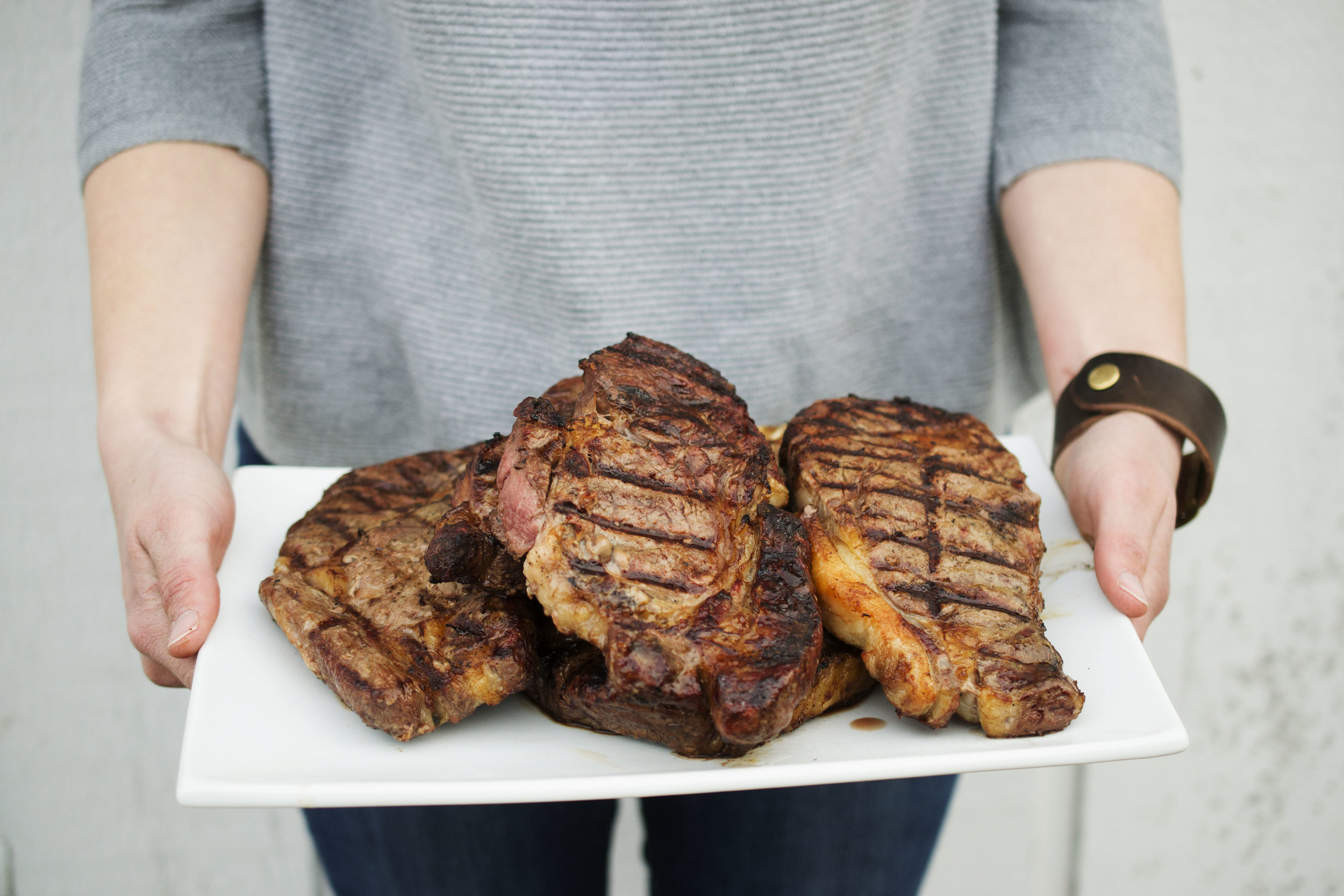
Grass-fed vs. Grass-Finished vs. Pasture-Raised
What the Label Really Means
I think most people would agree knowledge is power. Our food system has done a really good job of disguising itself and today I want to take some time to give you a little more insight into what popular beef and lamb labels actually mean, it might surprise you how little information they actually give.
Grass-Fed
Grass-fed is probably the most over-used and deceiving label in the beef and lamb industry. This label essentially means that the beef or lamb you’re eating was fed grass or hay during SOME point of it’s life, often the beginning. This does not mean the animal was fed 100% grass and/or hay for it’s entire life. This label also doesn’t mean it spent any time eating pasture grasses. It could simply be ‘feed-lot’ beef that were raised on hay and later ‘finished’ on grain.
Grass-Finished
This label is your best confirmation that your beef was raised on 100% grass. This label can only be used when the beef or lamb was raised on grass and then ‘finished’ (brought up to final weight) on grass and/or hay. Grass-finished, like grass-fed, does not mean the animal spent time grazing pastures but at least you can be certain it was raised on grass alone. If you’re interested in the health benefits of grass-fed beef you’ll want to look for a label that says grass-fed and grass-finished beef, or ask your farmer.
Pasture-Raised
This label means that the beef or lamb you’re eating was raised on grass fields. It again does not mean it spent it’s whole life grazing lush fields (many pasture raised animals are still supplemented with grain) and it also doesn’t mean it was only fed grass and/or hay for it’s entire life. It simply means it spent some of it’s life on ‘pastures’ which is defined rather loosely. ‘Pastures’ can be overgrown fields or over-grazed fields so buying pasture-raised doesn’t mean that the animal got it’s nutrition from them, but it didn’t live it’s life in confinement so that’s a plus if you’re looking for a more humane burger.
Free-Range
Very few livestock are truly ‘free range’, meaning they can wander wherever there heart’s desire, at least that’s what you’d assume by this label right? This label is probably most common in the chicken or egg industry but I’ve been asked in the past if my cattle are ‘free range’ as well.
Let me assure you that the chicken or eggs on your grocery shelf didn’t come from chickens who were running around and laying eggs anywhere they please or pecking around an old farmhouse for grubs. It simply means (in most cases) that they had larger cages and were able to ‘move’ instead of spending their life confined to a cage the size of their bodies. So I guess the label is an upgrade but it’s likely not what you first assumed.
In my opinion it is not ‘best practice’ to let animals ‘free range’ due to predators and other hazards found on commercial or small scale farms. And this label in my opinion is as vague as the term ‘grass-fed’ or ‘sustainable’.
What Are You Actually Buying?
What’s the best way to know what you’re actually buying? Knowing your farmer of course, do I preach that enough?. If 100% grass-fed and finished is important to you, ask. If a humane life growing on green pastures is what’s important to you, ask. If knowing the animal was harvested in a humane manner is important to you, ask. The beauty of getting to know your farmer is that you’ll be confident that the product you feed yourself and your family fits the criteria you’re searching for.
Our cattle and sheep are raised on grass alone
Here at Homestead we raised grass-fed, grass-finished, pasture-raised beef. We harvest our animals on these pastures and my promise to you is to always be open to any questions about our practices.
