Two Ingredients, One Sustainable Farm
Don’t believe the lie, you don’t have to do everything to be a sustainable farm.

Don’t believe the lie
Man, it honestly wasn’t until I started farming that I realized what a huge lie I was believing and pushing me into a place I never really wanted to be in my life.
It was the lie that I had to diversify, raise and sell everything, be a farmer with beef, lamb, chickens, eggs, and pigs, oh and to sell my jam preserves on the ‘side’.
I’m just going to be real frank here, what a load of manure. The honest truth is that nobody can do all of those things successfully on their own. I don’t care what super-power you possess the fact of the matter is, you have 24 hours a day and wouldn’t you like to spend some of it sleeping?
When I started my farm in 2015 I thought someday I’d be like everyone else. I’d be raising all the things, that I’d ONLY be able to make a sustainable income IF I was raising and selling all the meats and taking advantage of any income source I found on the internet for small farms. What I didn’t realize then that I know now is that sure, I might be able to slap a label on any product, perhaps even SELL that product. BUT, I wouldn’t be making a sustainable living and I certainly wouldn’t be sleeping at night. At the end of the day my customers would suffer from my lack of focus, my family time would be non-existent and frankly, my farm would be a hot mess.
Instead, I have happy customers that I am able to retain because I have time to do customer service. I have time to send emails, to do Instagram, Facebook and Pinterest. I am able to create new and exciting ways of offering my products. And it isn’t because I’m doing more, in fact it is because I’m doing LESS.
Yep, I raise sheep and cattle, that’s it and you know what, I make a sustainable income doing it. Now, what they tell you about never being rich if you’re a farmer, that is 100% truth. But, if you want to be around for a few years, or for a generation and beyond, you’re going to need to think about what you can ACTUALLY do in a day. Twenty-four hours seems like a lot of time until the reality of farming sinks in and you realize that raising a single animal can be a chore.
So, I encourage you, friend, to think critically about what you want your life farming to look like. Do you want to be sustainable financially, do you want to spend time with your kids, perhaps you want more time with your spouse. Whatever life you’re choosing to run alongside the farm choose it, don’t let your farm run you.
OK, now I’m getting off my soapbox. If you want more resources for how and why I started my farm, here are a few links you might find helpful.

Funding your farm start-up
How a 23-year-old started a farm
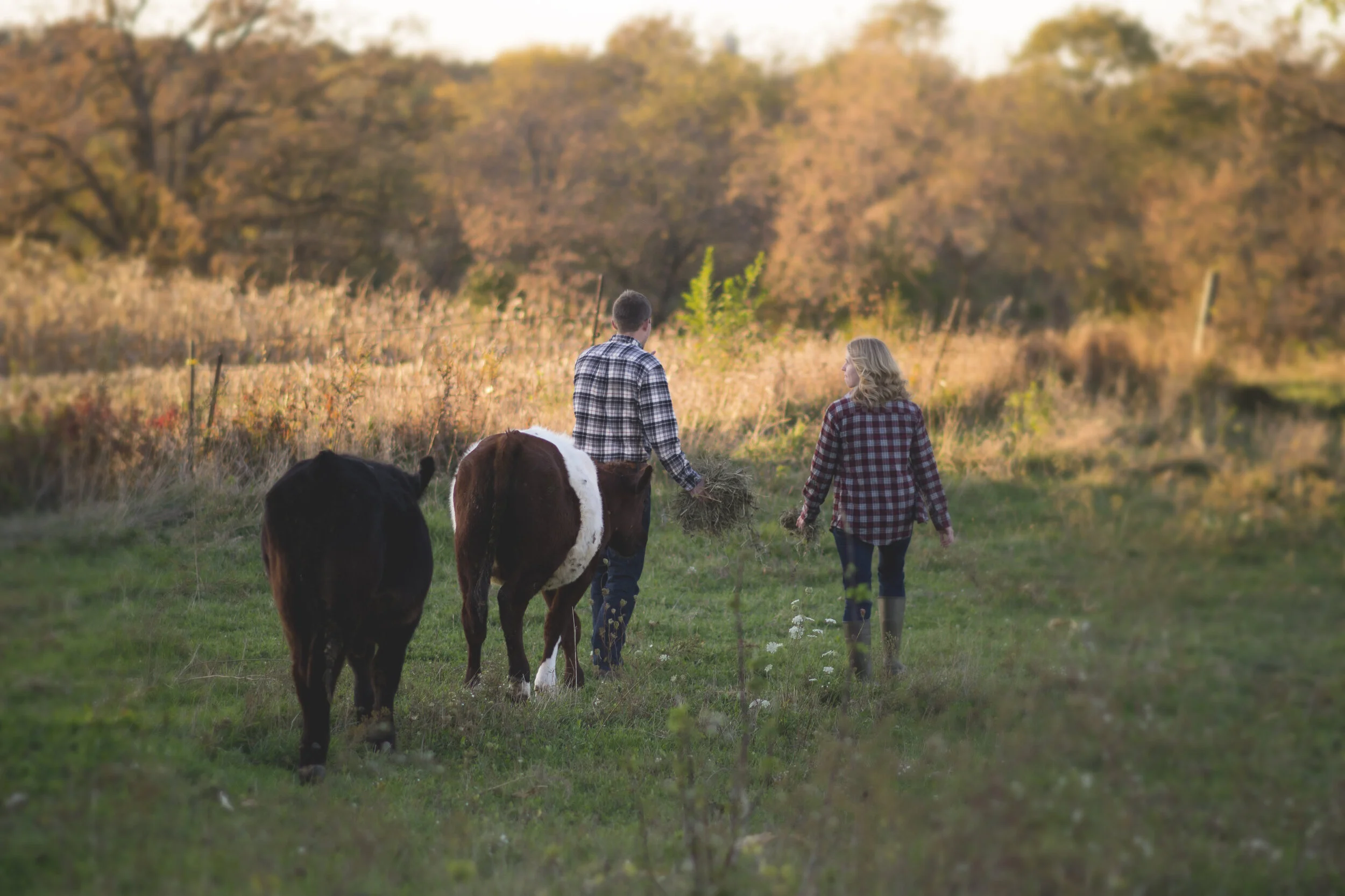
Photo by Wild Mulberry Photography (The 3:5 Collective)
Funding Your Farm Start-Up
You have dreams of owning a farm, big or small. You desire a deeper connection with your food that only growing it yourself will bring.
BUT, as you dig into the weeds of purchasing and operating your farm you’re left feeling: overwhelmed, defeated, and a little sticker shocked. Yep, I feel you. I felt all of those things (and some) when I set out to start a farm, from scratch, right after graduating college (HELLO COLLEGE DEBT).
So, today I want to share with you a few resources I’ve used to help me bring my farm dreams to reality. My hope is a few of these might work to help bring your farm dreams to life.
Leasing Land
Land is the biggest hurdle to starting a farm, hands down. It doesn’t seem to matter if you’re looking for 5, or 50 acres to start, land doesn’t come cheap and is a big leap to take especially if you’re young. I was twenty-three, fresh out of college with a mound of student debt, a brand new mortgage and had just spent my savings on a wedding. So, when I decided it was now, or never, that I started my farm I had to get very creative on accessing land I just simply couldn’t afford.
In my case, I was able to lease ten acres of land from my parents. Thanks to them I was able to do this step a bit easier than it might be for you. HOWEVER, leasing land is more popular than you might think. It is certainly more popular that I ever dreamed it was. I was under the impression that farmers ‘always’ owned their land. WRONG.
My parents (like many people do) were leasing their tillable land (corn/soybean) to a crop farmer who was running thousands of acres. Their farmer happened to own 500 acres of the 10,000 ACRES he cropped. He isn’t alone in the leasing world. Much like many crop farmers lease, many livestock producers are also seeing the benefits of leasing land. Here’s a list of pros vs. cons. I see in leasing land.

So, maybe you aren’t starting with the same financial burden as I was. Maybe you have the ability to purchase your own land. If that’s you, YIPPEE! My experience when we purchased our farm is that funding is trickier than purchasing a single family home. Even a single-family home in the country. SO, if you’re looking at a larger farm (not a homestead you’re looking to do on a piece of land in the country), you’ll need to talk to the right banker. IF, you’re local Compeer Financial has lending programs for farm purchases. My farm is actually purchased under a business loan vs a home mortgage. So, be sure to do your research.
If you’re looking at leasing land, reach out to your local Extension office, your USDA office. Agencies like this are a good place to start when trying to find a farmer looking to lease. If you know someone with crop land, or pasture land, that you know isn’t using it themselves, a simple stop-by to ask might be a good option for you. I know farmers that even 10+ years in lease their land. It is a very econimical way to get started, and can lead to beautiful relationships for future purchase of the land.
NRCS Funding
This one has been the biggest game-changer for me. As a grazer I wanted to take tillable acerage and turn it into productive pastures that would last, well forever. The EQUIP program through Natural Resource Conservation Service (NRCS) helped me do just that, and more.
On my farm I had 20 acres of tillable (once corn and soybean rotation) that I wanted to graze. Through the EQUIP program I was able to fund seeding the pasture AND putting in a perimeter fence. This funding was able to jumpstart my farm in a big way. Again, I was starting with a mound of student debt and now a brand new (larger) mortgage. This funding put me 5+ years ahead of the schedule I would have been in if I had to save and pay cash.
This funding is NOT exclusive to OWNING your land either. Yep, with a lease contract you can get your hands on some funding as well. That is AWESOME news.
The best way to find out what programs work for you, for leased or owned land, is to contact your local office. Your county likely has it’s own office, if you’re really rural you might have a group of counties under the same NRCS office. Just a simple Google search will get you there.
Auctions, USED and Craigslist
In my first 3+ years I didn’t own a single thing for my farm that was new other than my barbwire fence. The t-posts, stock tanks, gates, buckets and so on I’d picked up second hand. Let’s be honest here, ALL of these things are perfect items to find used and will save you loads of money in start-up. I’ve lost track of my beginning numbers (#savethisforfuturereference) but to my best guess I saved 75% of the start-up costs for my farm just by buying used items. THAT’S a lot of savings for items that still had a lot of life left in them. After purchasing our forever farm (instead of leasing) I invested in some newer items because our goal was to have a ‘polished’ look. BUT, if your goal is simply to raise good food yourself, you might NEVER need to purchase a new gate/post/pitchfork.
As you get started and don’t have a market yet for your product (if this is your end-goal) I strongly urge you to look for used items. You can always make all your gates match someday if you’d like. But those $20 gates I started with brand new were $180 EACh, so, if you’re looking for a way to cut costs used is going to be a game-changer.
where there’s a will, there’s a way
Honestly this is what it is going to come down to. If you want to farm, you’ll find a way to do it. Leased, owned, big or small. I believe that we’ll do things we never dreamed we would just by deciding. When I started with two steers, 10 acres and not more than $500 to my farming name, with no customers (no idea really) I found a way to do it because it’s all I wanted. It wasn’t as glamorous as I’d imagined, but it was a step in the right direction. Maybe you’re like me with big dreams of a lush, beautiful farm that you can host events at. You have to start somewhere, somewhere scrappy, somewhere scary, somewhere ‘less than’ you wanted it to be.
But, the beauty is that by taking a single step you’re already headed in the right direction.
So, think outside the box, call your grandpa about leasing land. Reach out to people in your community to see if they know someone who’d lease to you. We all start somewhere, just start.
pin it!

Farm | Scaling Your Farm to Fit You
Scaling your farm is going to look different for you than it does for me and other farmers. Each farmer and farm is going to answer the scale question differently and that is what is beautiful about this subject.
Scaling your farm to fit You
Scaling your farm is going to look different for you than it does for me and other farmers. Each farmer and farm is going to answer the scale question differently and that is what is beautiful about this subject. Scaling your farm is going to be specific to YOU. You have to scale your farm to fit you, your goals and your desired lifestyle. It may mean a large operation or it may mean something small.
While it might be nice to know the answer to the scale question before you start, I’ve found that this question continues to develop and change for me.
So what things should you think when it comes to defining your scale?
how many people are involved
Is it a family operation, or are you just a girl with a love for livestock like I was?
When we first set out to farm it was going to be myself and my husband, Matt. However, Mattquickly realized that livestock were not his passion and that our ‘farm gig’ would fall mostly on me. So, I’ve had to look at what type of operation I can reasonably manage. Now, Matt does help me with things like building infrastructure and putting up endless bales of hay, but again, this was something we had to consider in our scale. Matt’s off-farm job keeps him very busy, and while he has flexibility he isn’t able to help on a daily basis, and honestly neither of us want him to.
You might come from a farming family with the same love for the lifestyle as you, or you may be on your own. But how much can you realistically run in either situation?
Do you want to hire
This could be actual employees or it might mean contracted work.
I’ve written off employees in my operation for a lot of reasons (again I never like to say never, but for now I’m not considering this), though I’ve contracted other farmers to help with with tasks like baling hay and projects where I need special equipment. Hiring and managing employees is too much office work for my desired lifestyle. I want to be hands-on with the operation, not sitting behind a desk paying Federal and State taxes, completing payroll and figuring out employee benefits. So, contracted labor has worked better for me.
what systems can you put in place to make scaling easier
Every year I take a look at my growth chart and set new goals and projections. Things have changed a heck of a lot in four years and with the change I’ve had to improve my systems to give myself room to grow. The biggest change was mental for me. I grew up very ‘dutch’ which has been a huge blessing, but it can also be a hindrance to scaling. I’ve had to re-evaluate what ‘the cost of things’ and ‘the cost of my time’ means in the scheme of the bottom line. In order to scale to my idea of a ‘profitable’ farm I had to put value on my time in order to place those orders on things that reduce my workload.
For example…
When I started grazing spending $85 on a grazing reel seemed like a waste of money and I would hand wrap my twine to move cattle. It was incredibly inefficient and I spent WAY too much time moving cattle to new pastures. Now I have 3 reels that allow me to quickly move cattle from one paddock to the next.
I kept track of receipts and expenses in Google spreadsheets because it was free, now I pay to use Quickbooks because it saves me LOADS of time at tax time and on a daily basis. It helps me keep track of customer payments so I no longer have to manually remember to ask for payment etc. Paying sales tax, federal and state deposits, and running Profit & Loss and Balance Sheet reports are now available at a click of a button. That $275 investment has saved me thousands of dollars in time over that initial cost.
I used to weigh each cut as it came back from the butcher because getting weights cost me something (an we’re talking pennies here); now I have it labeled with weights to save me time during inventory and packaging.
I used to send invoices to customers after weighing their meat to make sure I got every dime owed to me, now I sell it all online based on weight averages so I don’t have to spend the time to manually bill anyone.
I bought hundreds of temporary fence posts so that I can set up my rotations once, and the rest of the summer I only have to run wire. Instead of 4 trips across the field per day, just to move cattle, I’m down to two. Multiply that savings per grazing season (with a daily move) and I’m saving 30+ hours a season in cattle moves.
These are just a few examples, but these little changes were necessary in order for me to grow. Your system design might look radically different than mine and that’s great. Again, you have to put systems in place that help YOU scale.
What is your idea of profitable
If you want to bring home ‘loads of bacon’ you might need to scale big or find a niche market. If you want to add a little side income then a small operation might work for you.
I was after a viable income, a big enough income to make farming a good portion of my working hours. However, I’ve diversified my business with non-farm offerings to get to what I felt was a profitable career. Success and ‘profitable’ look different for each person, Matt and I don’t always agree on what these numbers actually are, so you’re going to need to decide for yourself. I chose to diversify outside of the farm because I didn’t want to farm full-time. I wanted to pursue other passions along-side farming so that’s what I’ve done and it’s what works for ME, things may look different for YOU.
Do you have access to land
This might be a huge limiting factor when it comes to scaling your farm. Whether you buy or rent land, accessing good land for your operation could be a huge obstacle.
Originally my husband and I were looking at 10 acre farms. However, it became quickly apparent that 10 acres was not going to allow me to scale to my desired income. I can’t say we got anything but lucky in being able to get our 55 acre farm, because we definitely had everything fall into place. I’m also blessed that we have an additional 20 acres in my family should I ever want to go bigger. Land can be a huge hurdle, and you’re not alone in that struggle.
What’s your end goal
Do you want to work 365 days a year, do you want to have winters off and raise quick to slaughter livestock or do you have the means to hire? Do you want to make a full income on the farm, or do you enjoy farming as a side-hustle?
Defining your end goal will help you scale to what works for you, your goals and your lifestyle.
I hope you find your perfect scale
I really hope this gives you a little bit of help when it comes to defining your scale. You may not always answer these questions the same, life changes and your ideas might too. If you’re anything like me you might have to ask the ‘scale’ question on a yearly basis, but I hope whatever you decide you find a way to make it happen.
pin it!


Farm | Renovating Sheep Pastures
How we’re renovating our sheep pastures - from overgrown to lush and nutritious
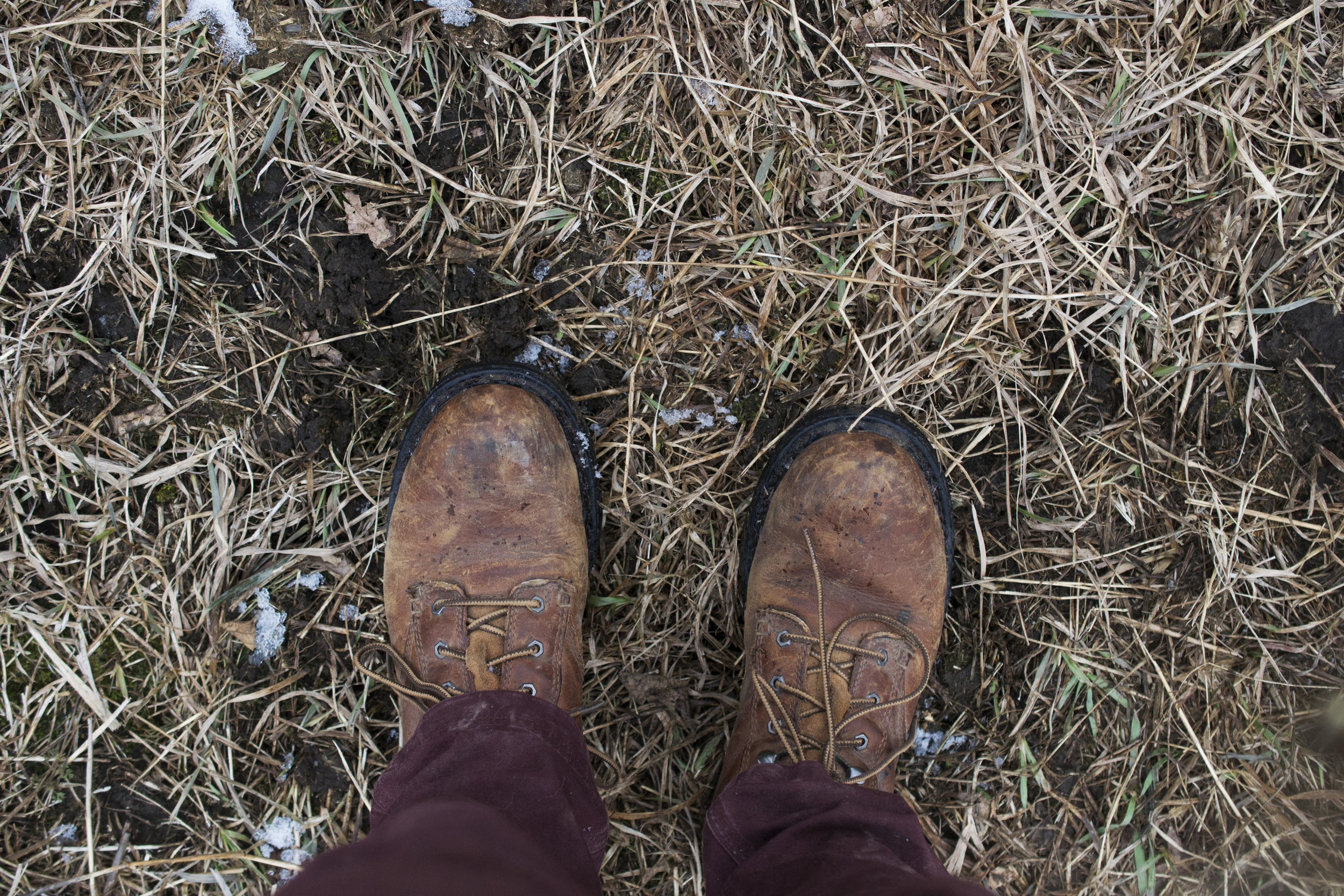
Renovating Our Sheep Pastures
This is a lengthy post… about nerdy stuff like grass and soil. I love documenting and this post is certainly a compilation of lots of documentation. So, if you like soil, grass and learning about how other farmer’s make decisions, this post might just be your cup of tea.
what we started with
Our sheep pasture consists of seven acres, three of which are significantly sloped and heavily wooded. Two acres was an existing alfalfa and orchardgrass field with two acres that is mostly brome grass.
using web soil survey
I looked at what we have for soil and slopes in our pasture. You can find your soil map HERE
72% of our pasture is | Newglarus-Dunbarton silt loams, 12 to 20 percent slopes, moderately eroded
17% of our pasture is | Elkmound-Northfield complex, 30 to 60 percent slopes, very rocky
11% of our pasture is | Eleva sandy loam, 12 to 20 percent slopes, eroded
What we did in 2018
In spring 2018 we cleared about 2 acres of brush which included prickly ash, grey dogwood, sumac, plum, boxelder and mulberry. I over-seeded the ‘thicket’ areas with a mix of grasses and legumes, of which 30% was legume. Over the summer months I focused on keeping the woody species from coming back in, using mowing and herbicides. In the fall I heavily grazed a 1/2 acre area of brome grass and over-seeded with the following over-the-counter mix:
50% Gulf Annual Ryegrass
27% Intermediate Ryegrass
19% Orchardgrass
3% White Clover
1% Medium Red Clover
In October I took our cattle through a two acre area that was primarily brome grass and had them beat it up to expose soil.
what we did in spring 2019
In spring 2019 we worked on clearing additional brush in the most heavily sloped areas. These areas have significant timber including walnut, catalpa and cherry. We removed mulberry, elm, cedar, boxelder along with honeysuckle, grey dogwood and plum (plum is poisonous to sheep). This area still has significant cover and will need additional clearing, maybe next year.
In the late winter spring months I developed my knowledge on sheep pasture mixes, mixes that maximize gains, and our options for our drought-prone slopes. With my research I developed the following pasture mix.
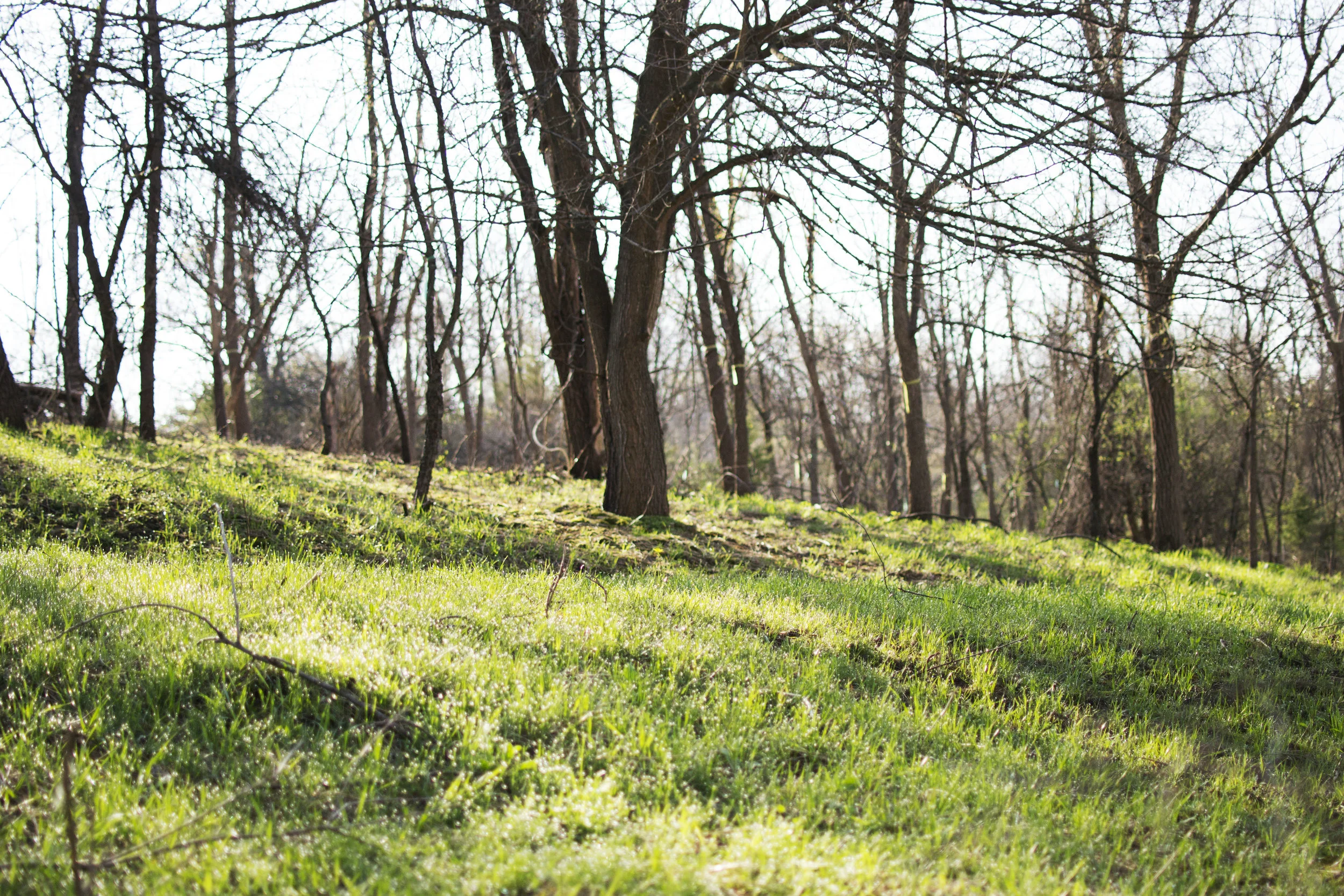
Our pasture mix
Chicory - 40%
Ladino Clover - 15%
Alice White Clover - 15%
Alfalfa - 5%
Orchardgrass - 10%
Festolium - 15%
My research lead me to develop a mix with a high chicory content. Chicory is non-bloating, and local farm research showed significant gains on chicory based pastures. I also realized during my research that sheep prefer legumes over grasses, so I made sure to develop a mix that put more focus on the legumes than the grasses. Chicory, alfalfa and the grasses show better drought tolerance than the clovers; however, I wanted to try and get some clovers established on the less sloped areas that will get more water. I’m curious to see what my results are after this growing season.
our alfalfa and brome areas
The bromegrass areas I over-seeded with a Ladino and Alice White Clover mix. Over the coming years I anticipate continuing to replace alfalfa with clover, chicory and other legumes, and diversify the brome acerage with additional legumes and chicory.
Planting on slopes
Since three acres of our sheep pasture are in-accessible with a tractor, I broadcast seed by hand and put sheep hooves on it for a day, right before a good rainfall. This three acre pasture was broadcast with the chicory blend.
how i’ll manage grazing this year
I will be managing weeds and woody plants this season by rotationally grazing both the sheep pasture and the brome area. Sheep are fantastic gardeners and I can’t wait to see the progress made by using them for management this season.
What we did in 2021
This spring we finally hired a company to come and finish removing invasive species including Mulberry, Boxelder, Grey dogwood, Sumac and others. These removals exposed additional acreage and opened up the canopy allowing light to infiltrate. I seeded the newly open areas with a mix of meadow fescue and orchardgrass. I also fertilized most of the average after putting a heavy coat of manure over the land last fall. This season we will lightly graze it to allow for it to establish, control weeds and allow the land to come to life.
video documentation - 2018 fall pasture walks
Video has already been a great resource for me as I develop the grazing systems at our farm. It provides a really great reference to what was happening the following season, challenges and what I was looking at doing in the coming year. It is insightful to what I thought my plan was last season, to what I actually implemented this season. Video has proven to be a quick and effective way to manage our grazing here at the farm.
I look forward to documenting our pasture progress again this fall.
video documentation - June 2019 update

Farm | What Life Looks Like for a Small-Scale Grass-fed Farmer
One of my strengths as a person is being honest, one of my weaknesses as a person is being too honest. I’m not one to sugar-coat the reality.
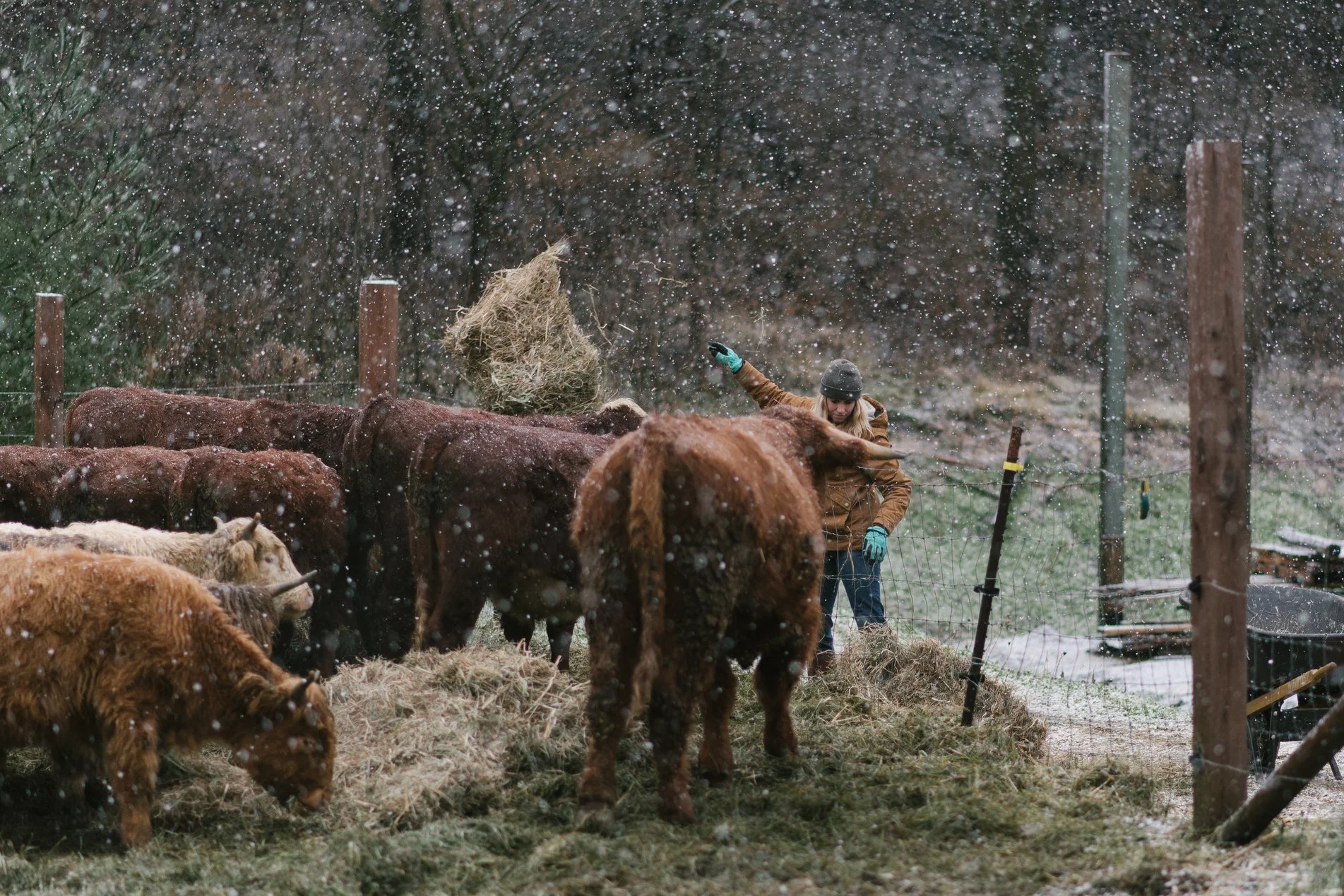
What Life Looks Like for A Small-scale Grass-fed Farmer
One of my strengths as a person is being honest, one of my weaknesses as a person is being too honest. I’m not one to sugar-coat the reality. I quickly evaluate risk and reward and look at the realities of things rather than the best-case-scenario.
So, I’d like to preface this post to say I never want to discourage someone from becoming a farmer, this life I live is beautiful, but I don’t think it’s for everyone AND I certainly don’t think it’s as romantic as Pinterest would have you believe. Farming comes with an incredible amount of sacrifice and there is beauty in it but it certainly isn’t a fit for everyone’s vision of living their ‘best life’.
In fact only 2% of the population are farm families (make a living on their farm), just think about that. It’s crazy isn’t it?
My farm background
Before I get into what it looks like to be a grass-fed farmer I want you to know some facts about my position coming into farming, because your position may make this all look a little different than it does for me.
I didn’t grow up on a farm. I quit my 9-5 design job four years ago. I’m a beginning farmer, meaning I’ve been farming less than ten years, as I write this I’ve officially been farming just short of four years. I’m in the process of scaling my farm to be a viable income and a partial career (floral design is my second career). I graze 26 acres and my current farm capacity is 30 steers and 100 sheep. So, I’m not by any means a large farm in fact I’m a very small-scale farm. I’m 27 and have been self-employed part-time and employed part-time off the farm for the past four years. I HATE loans, but I’ve had to learn to appreciate their use in balancing my cash flow.
So what does a year look like on the farm?
You’re going to be working 365 days a year
If you’re in a 9-5 and dying to get out like I was, just consider this for a second. There’s no PTO, no holidays and no sick days if you’re a farmer. This definitely shouldn’t stop you because ‘if you’re doing what you love you truly won’t work a day on the farm’ (see how I twisted that saying?) but it is something I didn’t fully grasp until I actually quit my 9-5.
However, if you’re lucky like I am, your birthday falls in the summer. Which means you can get your grazing rotation scheduled so as not to land on your birthday. If you’re really lucky you have automatic watering systems and you could take the day OFF but that isn’t always reality.
The thing about livestock is they LOVE to eat, funny I’m the same way. They need something from you on a daily basis even in some of the most well-designed systems. They don’t care if it’s snowing, raining, if it’s your birthday or it’s Christmas day, they still want you to be diligent in caring for them.
If this sounds like fun, or at least not the worst thing in the world, you may thrive as a farmer.
so if you'r still interested after knowing you’re giving your days off a wave goodbye
Let’s look at what the seasons look like for a small-scale grass-fed farmer.
the growing season on the grass-fed farm
Summer is one of the ‘easy’ times on my farm. I choose to rotate every one to three days, depending on how the grass is growing. It’s manageable for me at this point in my farm journey when I have other irons in the fire. Some grazers rotate multiple times per day, it’s just not workable in my current state of life.
So, my summer chore list looks something like this
Daily
Water livestock
Move and water cattle
Move sheep and set up tomorrow’s grazing strip
Every Three Days
Document rotations to track seasonal changes
Scrub stock tanks
Check and fill mineral supplies
Weekly
Set up new grazing rotation for cattle - I set this up a week at a time
Monthly
Check and clear perimeter fences - this is especially important for a new farm when things have been neglected. I often have to spot spray noxious weeds (honeysuckle, boxelder and grape vine) along my perimeters to keep the fences hot and the cattle on the right side of that fence. If you’re going organic this will look different for you.
Memorial Day, July 4th, August and if I’m lucky September
Harvest hay | hay crops tend to be ready for harvest about these dates here in southern Wisconsin. So for four days, four times a year, my time is spent on a tractor cutting, tedding, raking and baling hay
Take and submit hay samples
Seasonally
Manage meat inventory
Market and sell meat
Take and submit soil samples
Seed (this may not be every season depending on your farm)
Fertilize as needed
winter on the grass-fed farm
Daily
Feed hay
Fill stock tanks with fresh water
Weekly
Check and fill mineral supplies
Scrub water tanks
Monthly
Replace bedding (can be more if weather is poor)
what holidays and family time look like
Let’s be honest, nobody is going to do your chores on Christmas so that you can stay and play games all night with your family. Wouldn’t’ that be nice though? Matt and I drive separate cars to some Christmas gatherings so he can stay and enjoy a full day and I can get home to do chores. I’m hoping to move towards self-fed hay to give me a little more time to ‘play’ but those stock tanks will always need filling, and it’s likely something needs tending when I get home.
Hinging on my point above family time looks a little different for me now than my pre-farm life. While I do my best to go to all the gatherings throughout the year, I’m always the one leaving early. Water tanks must still be filled and if the grass isn’t growing the livestock are going to be calling for delivery service by 4pm. That’s just the reality of it.
vacation and little luxuries
This is going to look different for everyone. Perhaps your’s will look a lot like mine, or perhaps it’s quite different. I quit my 9-5 at the same time we brought home our first two steers. I started a landscape and floral design business and was working towards scaling the farm to be a profitable business all at the same time. Matt has worked his passionate 9-5 since we’ve been married but with my income, brand new business + a part-time position, things have been tight for us. So after prefacing our situation…
That vacation you had ‘planned’ this year, well you might need to replace the haybine instead. That cute pair of Ariat boots, that kitchen remodel… those may not be in the cards for you this year either because you only harvested two hay crops instead of four and you’re buying a lot of hay to feed livestock this winter.
If you’re strategic this is only a season (though I’d kind of doubt it), but if you’re looking to be a farmer and you’re starting from scratch it may look like this for a while.
which leads me to this, you might be ‘broke’ for a while
Things may look different for you if you have a full-time off-farm job, and it’s likely you’re going to have to carry some part-time work off the farm while you’re getting started.
This farm has been a big part of my 'weekly work hours’ and annual income, since we started. So while I’ve been making income (on farm, off farm, and through other businesses), starting a farm from scratch eats a lot of those pennies away. There is seed to buy, fences to install, hay to purchase, equipment to buy, barns to build and the list goes on… unless you’re lucky enough to get a farm that’s ready to rock-and-roll this may be what it looks like for you too.
Knowing your numbers is essential to mentally surviving this ‘stage’. Actually keeping the profits I make from the farm (and not reinvesting it back into the farm to scale) starts in year five, another year from now. If you’ve received your Bachelor’s degree just think for a moment about that timeline. Matt and I were in school for five years, it seemed like eternity then and waiting five years for a viable paycheck seems like an eternity now.
However, I did myself a favor and made projections before we started and by year five I projected good profits, profits that will make up a good portion of my desired income. It has helped me mentally through this stage… while your friends are advancing in their salaries you may be ‘getting by’ because grass-fed cattle don’t grow overnight.
it may look different for you
I understand that everyone comes into farming at different stages in life with different expectations. However, if there is one thing that stays the same no matter what stage you’re in is the commitment to working 365 days a year. This lifestyle is a beautiful one if you consciously decide it’s right for you. Get into farming because the beauty of the life out-ways the sacrifices you’ll certainly have to make.
pin it!


Farm | Why We Decided to Farm
During our final semester of college farmer Brit was exposed to the documentary Food Inc., which is quite frankly horrific. Food Inc. documents some of the practices in the modern food industry, particularly the meat industry in America.
Why we farm
we wanted to know how our meat was raised
During our final semester of college farmer Brit was exposed to the documentary Food Inc., which is quite frankly horrific. Food Inc. documents some of the practices in the modern food industry, particularly the meat industry in America. After being confronted in such a dramatic way we had to face the harsh reality that we didn’t know where the pork on our table was raised, how our chicken was fed, or how our burger was processed. The scariest part for us was that we had not even questioned it before.
Flash-forward to our post-college life and we knew we wanted to make a change in our eating and purchasing - of meat products in particular. So we started raising our own cattle, just for us, and put our dollar to work in our local community with our purchases from local farmers. But, our own necessity for knowing how our meat was raised grew into a burning passion to make a bigger impact.
we’re passionate about connecting you with your food
Which leads us to today. We’re raising beef and lamb for dozens of families in our community and keep an open door policy. Our passion is sharing our farm, our livestock and all aspects of of raising beef and lamb with you. From babies we bring home or birth right here on the farm, to their ‘one bad day’, to how we actually feel about the meat industry, we’re open to sharing it all with you. We believe that what you eat shouldn’t be a secret and your farmer shouldn’t be a corporation.
Our promise is to do our best to answer all your questions so you can dine with the confidence that your meat was raised in the manner you expect.

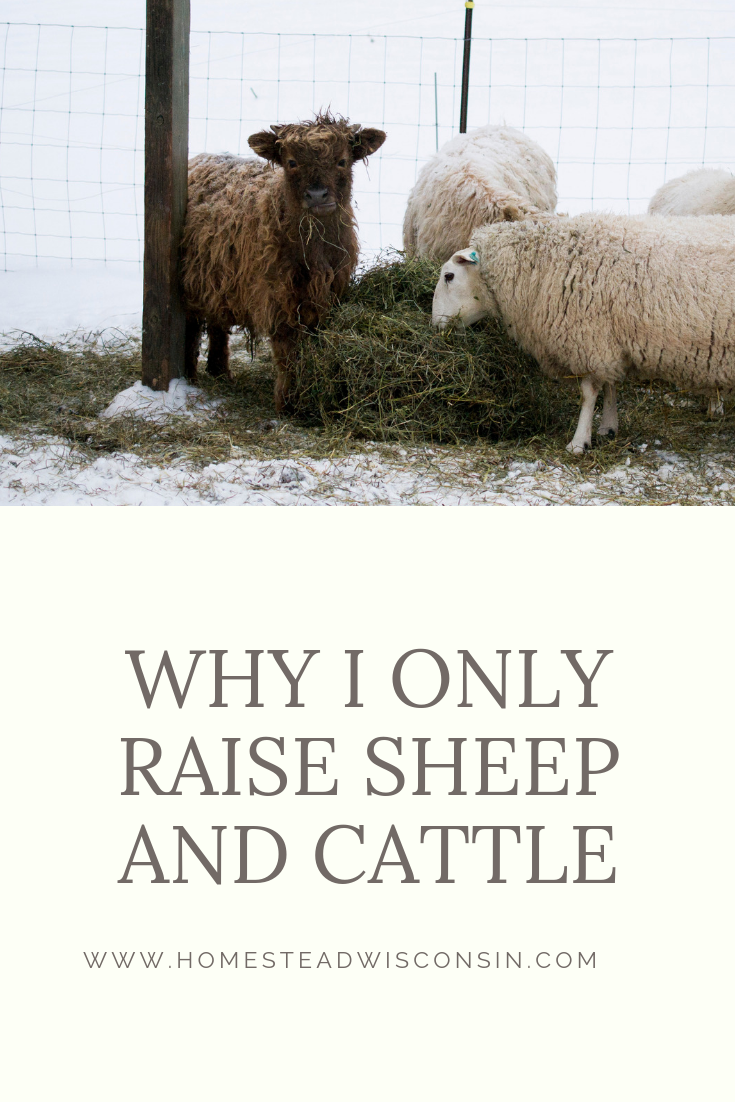
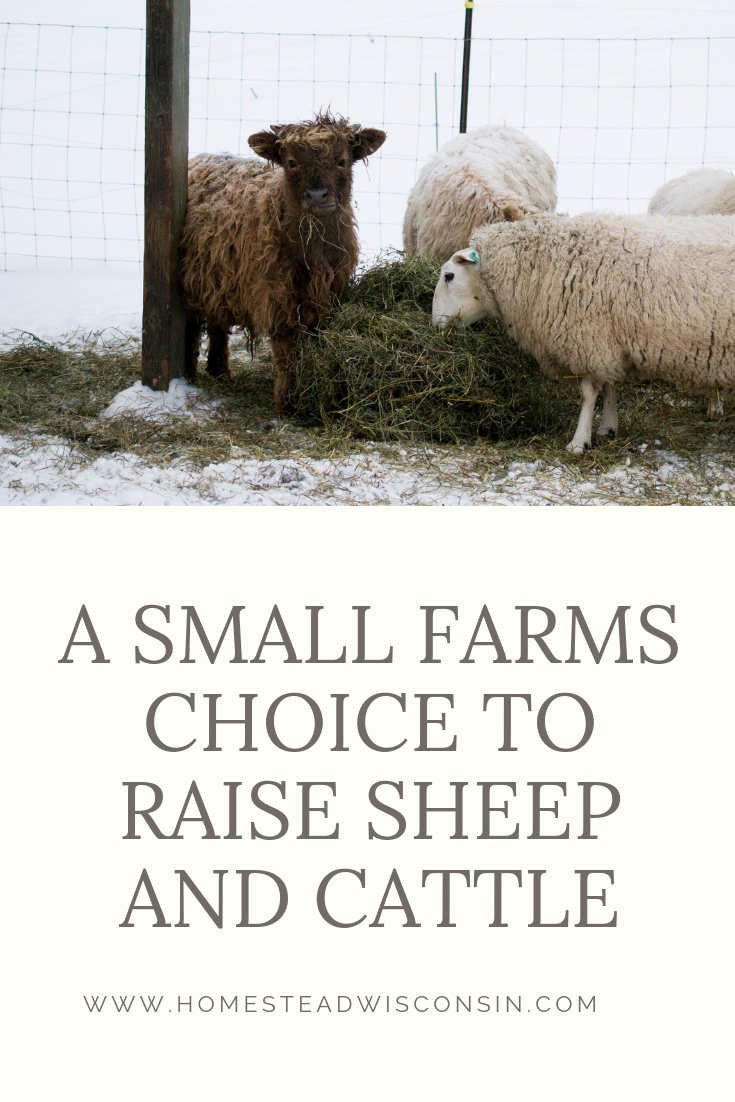
Farm | Why I Only Raise Sheep and Cattle
In the beginning I struggled with wanting to do ‘all’ the livestock. I wanted a diverse farm that would allow for multiple revenue streams and offer a more diverse lineup of meats to my customers.
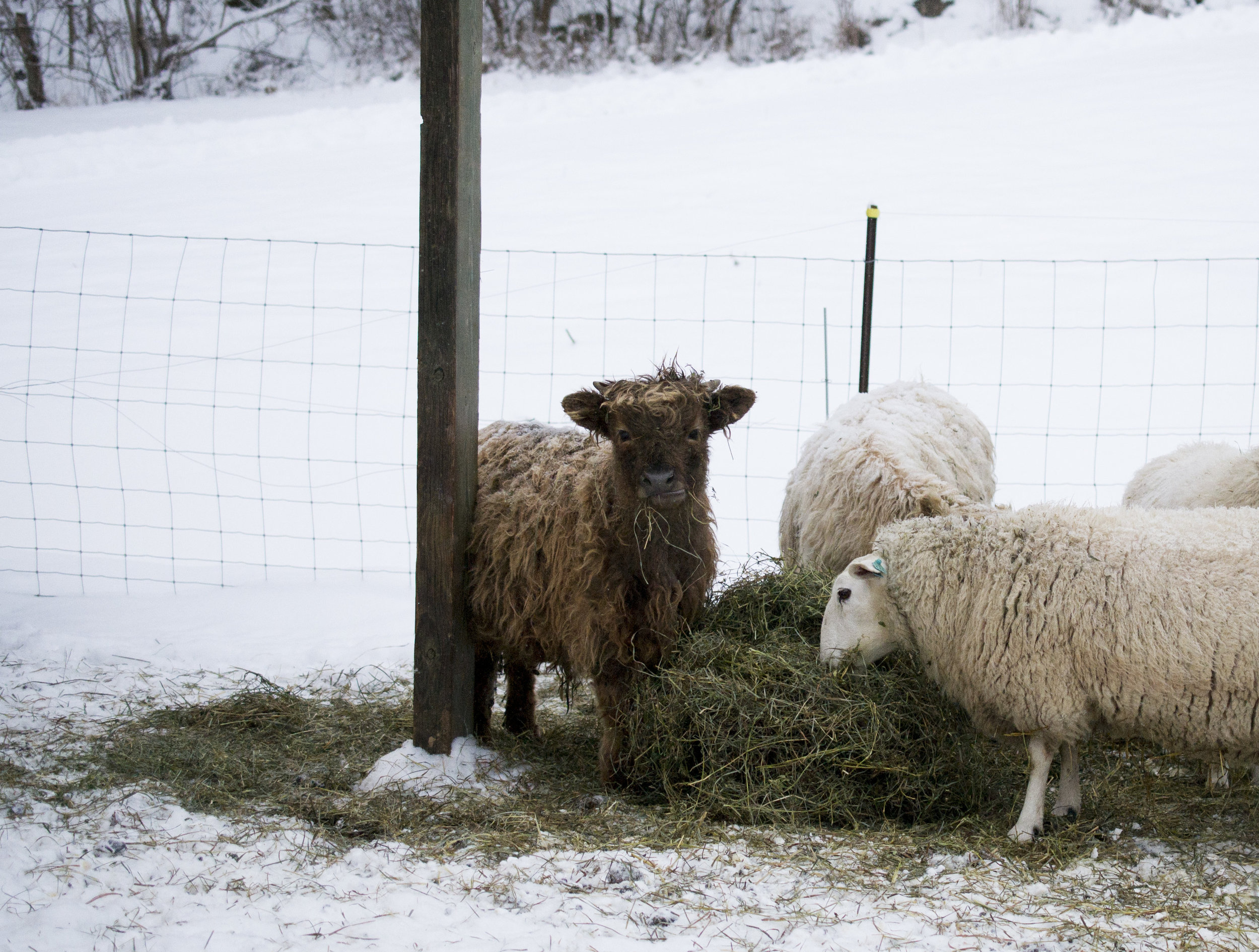
Why I only raise sheep and cattle
In the beginning I struggled with wanting to do ‘all’ the livestock. I wanted a diverse farm that would allow for multiple revenue streams and offer a more diverse lineup of meats to my customers. AND I honestly wanted pigs, ducks and horses just because I love them.
However, over the last year this mindset has done a complete 180. Now I’m committed to sticking with just sheep and cattle.
Why? Because, I can’t do ‘all the things’ and do them well AND Matt and I can’t live the life we want without keeping things simple.
I had to be Honest with Myself
This was the hard part, I had to get really honest with myself. I am the girl that loves ‘all the things’ when it comes to farm animals, I’m sure many of you can relate. So, I had to be honest with myself and what I can actually manage. I am a one woman operation, my husband Matt works off-farm with no plans for that to change. I also run other businesses that are completely un-related to my farming venture. So, the reality for me is I can only do so many things and do them well.
So, searching for livestock to add to my existing cattle operation was going to have to be ‘easy’ or I was going to have to say no. BTW ‘no’ is something I’ve had to become GREAT at over the last two years… if you’re not good at it here is your permission to say NO to adding more than you can joyfully handle. Farming is easier and more rewarding when you’re doing it from a place of ‘I’ve got this.’
Finding a way to diversify meant sticking within my existing system
My first love was cattle, they have been my passion from the beginning. While pigs, ducks and horses sound like a grand old time (notice I didn’t say chickens or goats ;)) these animals all require different facilities, feed and daily care than my cattle do. So, after getting honest with myself, I decided to start looking for livestock that would be compatible with the cattle I already had.
Back in high school I raised a couple market lambs and I really enjoyed their personalities. They’d follow me home after wandering away while I was at school, they were eager to engage me, and let’s be honest they were adorable. So, it was a slightly natural progression for me to look at sheep as a possible way to diversify.
Cattle and sheep are both ruminants
Like cattle, sheep are ruminants, meaning that they could both be raised 100% grass-fed. Awesome I thought, that made them similar enough to convince Matt to say yes to the addition, at least that’s what I thought.
After further research, when Matt needed more convincing, was that sheep and cattle tend to prefer DIFFERENT grasses. So, I thought this could help lessen the need for me to physically mow my pastures. Properly managed the sheep could do this for me. This was a huge BONUS for me, I have a lot of irons in the fire so reducing chores is something I look for in any situation.
Then I was down the rabbit hole and completely obsessive with finding all the ways they would be a good addition to the farm. I realized that the parasites in cattle and sheep are different, meaning I could co-graze them. Co-grazing, if successful, would eliminate my need for guardian dogs. Which I was hesitant to add to the farm because of our long-term goal of inviting swarms of people here.
So, what I’m trying to say through all this is that sheep were an easy addition to the farm. While we currently keep them in separate facilities the process of raising them for meat is the same. The sheep and cattle get rotated every three days, they both eat hay all winter, they don’t share the ‘nasty’ with each other, my pasture systems are the same and therefore I can focus my energy on growing great grass instead of adding to my chore list.
SIDE NOTE | Honestly, adding something as simple as barn cats (which I have) is yet another animal to feed and care for differently. For example I can’t keep cat food in the barn because we get coons. So, all my hay is in the barn but I have to go to the garage for cat food. It SEEMS insignificant but all those little differences make chores take longer.
Life off the Farm
Something else I had to consider was the lifestyle that Matt and I want to live. While Matt enjoys living ON the farm working IN the farm, especially with the livestock, is not his passion. So, I had to take a good look at what a practical ‘farm load’ was for us.
Matt and I enjoy travel, so designing a farm that would allow us to leave the farm was something I really had to consider. Keeping things simple for someone to step in while we’re gone is crucial to our ability to leave.
Since our sheep and cattle chore list is the same it’s much easier to have someone step in without too much effort or ‘know-how’.
A chore list for our farm looks something like:
Summer | move the animals to a new paddock in three days (which I can create ahead of our leave), give everyone water.
Winter | Throw x amount of bales and give everyone water.
OH, and feed the cats….
Pretty simple really and something that I can easily explain.
For a more diverse farm it could look something more like this (though I don’t have experience here so I could easily be missing things):
Summer | gather eggs, give grain - x amount to animal y and x amount to animal z, throw hay, give water
Winter | gather eggs, give grain - x amount to animal y and x amount to animal z, throw hay, give water
So, keeping things simple has really been the key to us being able to leave the farm. Perhaps you have more resources to get help, though I would be really honest about this. I have many local animal lovers who are always willing to step in but there is a line I’m sure where my eager help would be a much shorter list.
Keeping my farm focused allows me to support other small farms
The beauty I’ve found in keeping my own farm simple is that I can connect with other farmers who are doing different things really well. Instead of raising my own chickens I can support someone who’s passionate about raising meat chickens or eggs. Instead of raising the bacon I can ‘bring home the bacon’ from another local farm. Instead of raising my thanksgiving turkey I can purchase one from someone who loves raising those hideous creatures (sorry I have to keep things light and fun in such heart-felt posts).
What I’m getting at is by keeping your farm focused it allows you to form a beautiful community with other farmers around you. Do you have a customer looking for the best pork in the neighborhood? Now you can send them to someone passionate about raising their pigs to be delicious and I think that’s a beautiful thing.
My best advice
If you’re in this ‘alone’ and have limited resources (people, time and land) I’d highly suggest keeping things simple. From my experience (even as a do’er of ‘all the things’) keeping it simple on the farm has been the key to success for me. Maybe this looks like one type of livestock, maybe it means a couple, but being real with yourself will help you develop a farm you really love working in. For me focusing on doing one system really well keeps me sane and in the end keeps my product to the standard I desire.
Be really honest with yourself and I’m certain you’ll love your 365 days-a-year job.
pin it!


Resources | My top list of the Best Resources for New and Aspiring Farmers
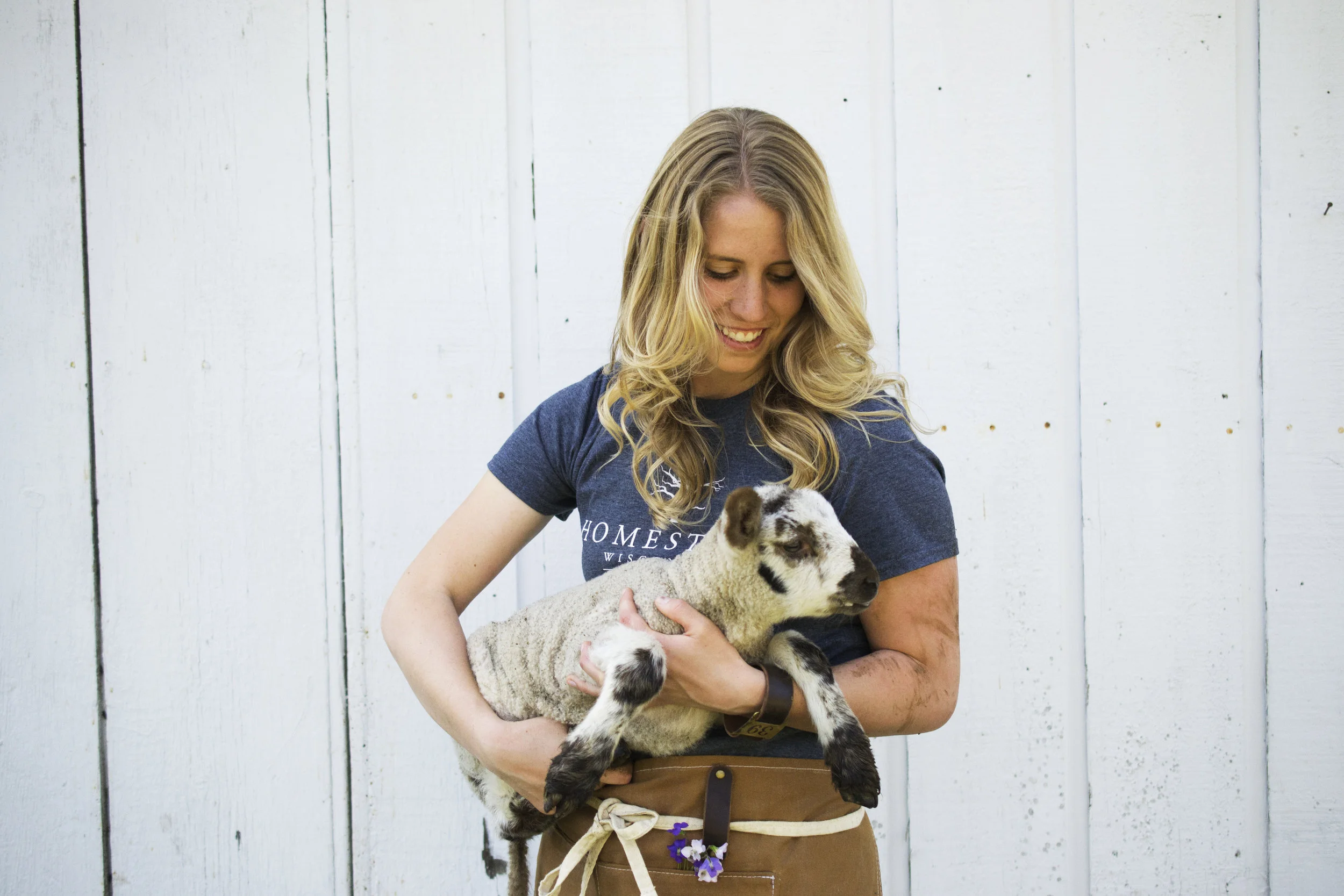
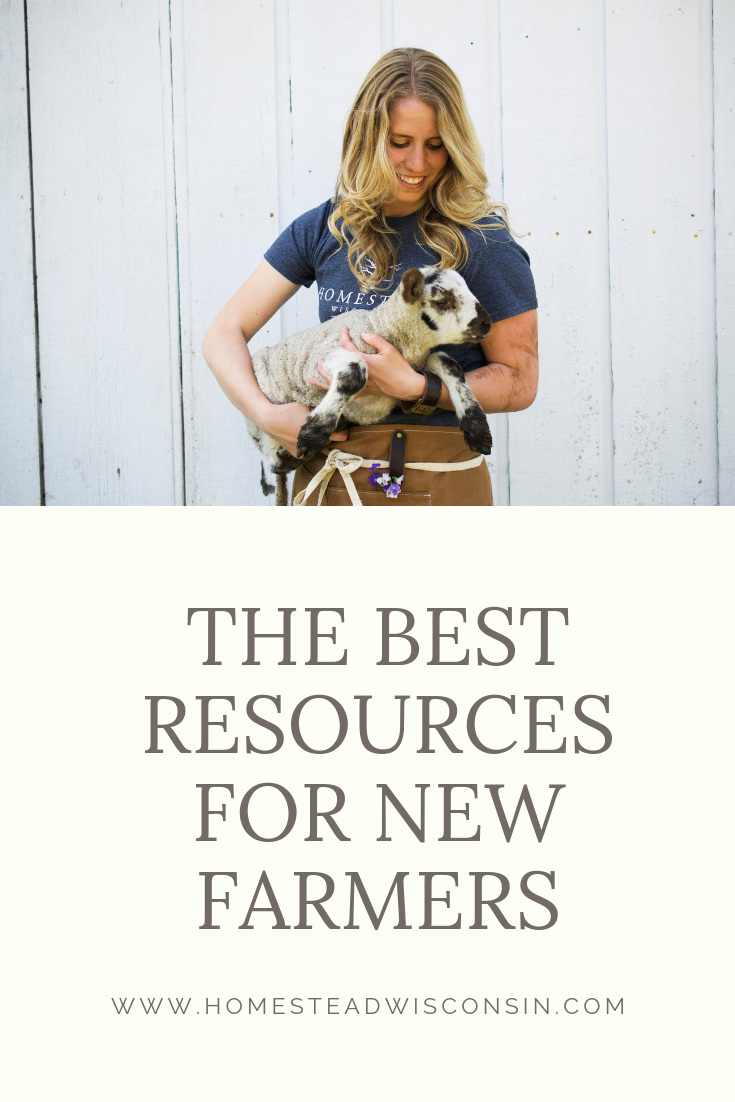
I haven’t been farming long, but in the last three year’s I’ve learned a lot about this industry through some incredible resources. Today, I wanted to share with other aspiring farmers/newbie’s like me what I’ve used to grow in my knowledge of the food system, grass-fed farming and marketing.
resources for new farmers
I haven’t been farming long, but in the last three year’s I’ve learned a lot about this industry through some incredible resources.
When I was starting out I was browsing the web, the library and blogs to find information on the subject of grass-fed farming. I’ve done a few things the slow way, and a few things right when it comes to growing my knowledge of this beautiful industry.
Today, I wanted to share with other aspiring farmers/newbie’s like me what I’ve used to grow in my knowledge of the food system, grass-fed farming and marketing. This post is tailored to those looking to produce grass-fed beef and lamb but many of these resources tie into multiple avenues of farming.
my top 10 go-to resources
THE BEST thing I’ve done to further my knowledge is this… Get to know other local farmers doing what you’re doing. Whether someone interested in farming, a brand new farmer or someone who’s lived their whole life on the farm, you are each other’s most valuable resource. If you’re interested in farming or just beginning visit the farms of farmers who’ve been at it a while. Learn why they made certain decisions, what works in your region and what ‘good ideas’ you’ve found online are actually worth pursuing in your locale and which ones have failed. They will teach you more valuable stuff than you can ever find anywhere online.
Attend local pasture walks - farm events - tours. I have experienced several USDA field days as well as grazing tours by Southwest Badger, and GrassWorks. Use these resources and opportunities to visit other farms, the best part is several of them are free!
Your local USDA tribe. These people are incredible, get to know them!
These wonderful humans are well versed in sustainable agriculture and can often give you a list of some local resources for both education and funding.
Your Extention Office - again these people are incredible resources and you can often find some valuable information online. It’s a good place to look for both farming resources but also business resources.
YouTube - I can learn bits of information from a book, I learn a ton in person and somewhere in the middle is the beautiful world of YouTube. YouTube has given me glimpses into grazing systems used by farmers across the nation. While some of the information is location specific, I’ve found it very helpful to get a view into things like: rotational grazing, mob grazing, setting up a system, equipment to use for pasture division, and even how to renovate existing fields into thriving pasture. It can be an incredible resource.
If you’re interested I’m in the beginning stages of starting my own YouTube channel where I’ll be sharing some of the farm adventures here at Homestead. You can subscribe to follow the journey.
Books
Grass-fed Cattle by Julius Ruechel
Books by Laura Lawson
Food Inc. (a good resource for understanding the food system we’re surrounded with today)
Magazines
Blogs
There are a number of farming blogs out on the world-wide-web that can be useful for learning how to set up your farm etc. There are not specific blogs I follow and I generally will skim quite a few to get multiple opinions.
Marketing help - because once you have good products you need to actually sell them.
Squarespace - Now this is less of a learning resource and more of a resource to actually sell your product. I use Squarespace to power my website and I can’t say enough good things about it. I’m able to provide information on my farm, blog and also sell my product online. It’s a very powerful resource and with all the helpful how-to’s I’m confident it could be a good resource for you.
pin it!

Renovations | We're Ready for Lambs!
We're 1 week away from our first lambing season here at the farm. I can't believe it's almost here!
One week until lambing!
We're 1 week away from our first lambing season here at the farm. I can't believe it's almost here!
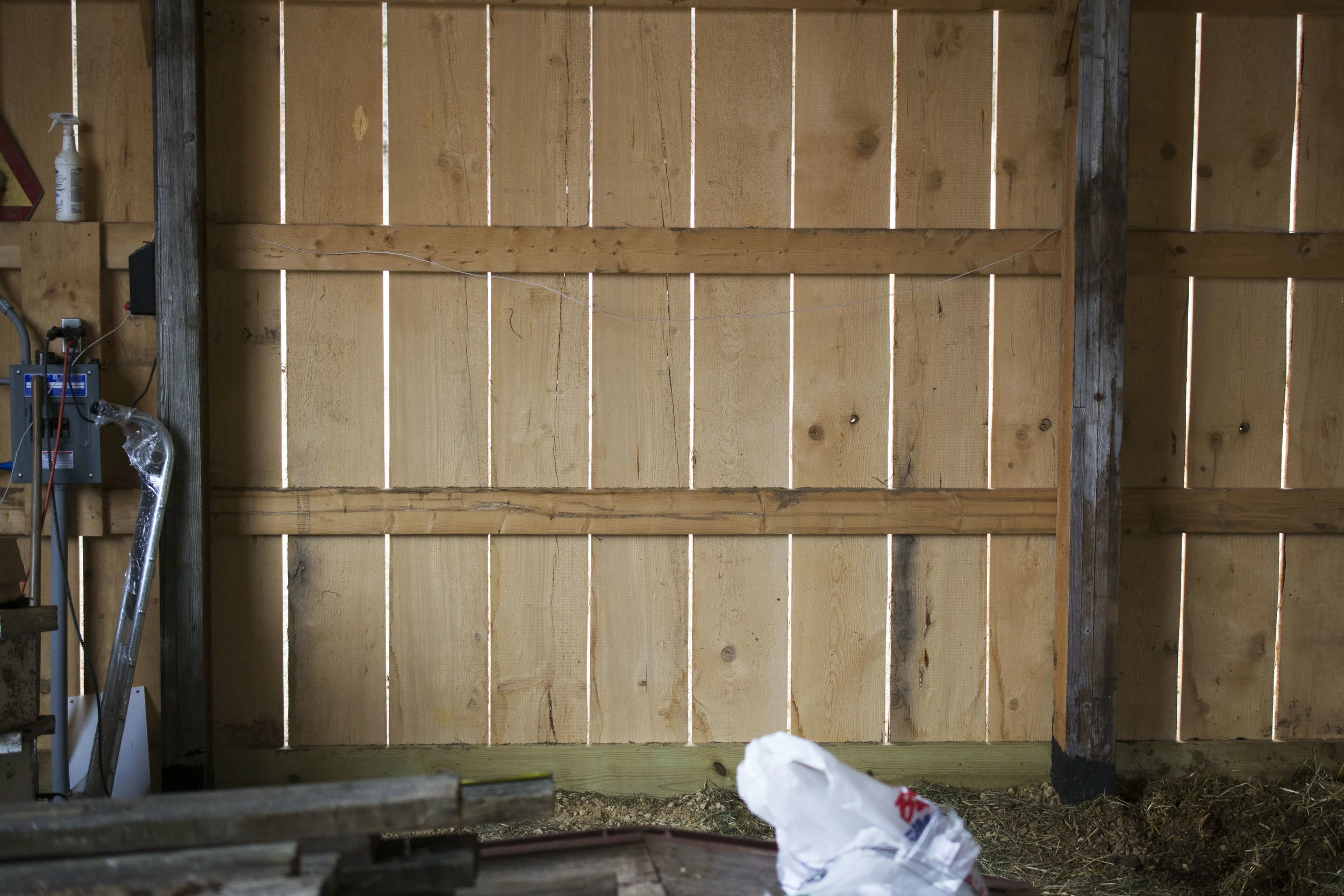
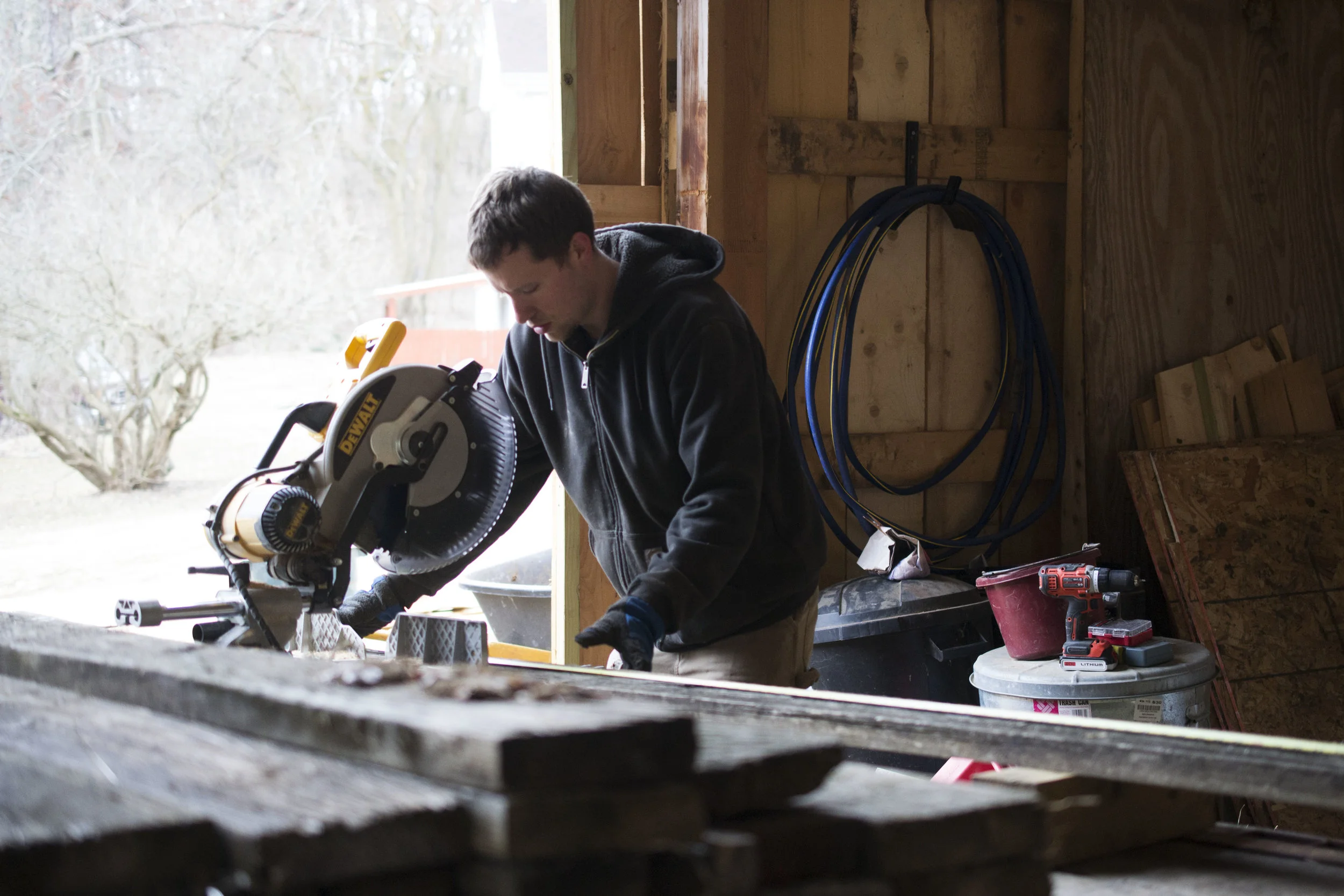
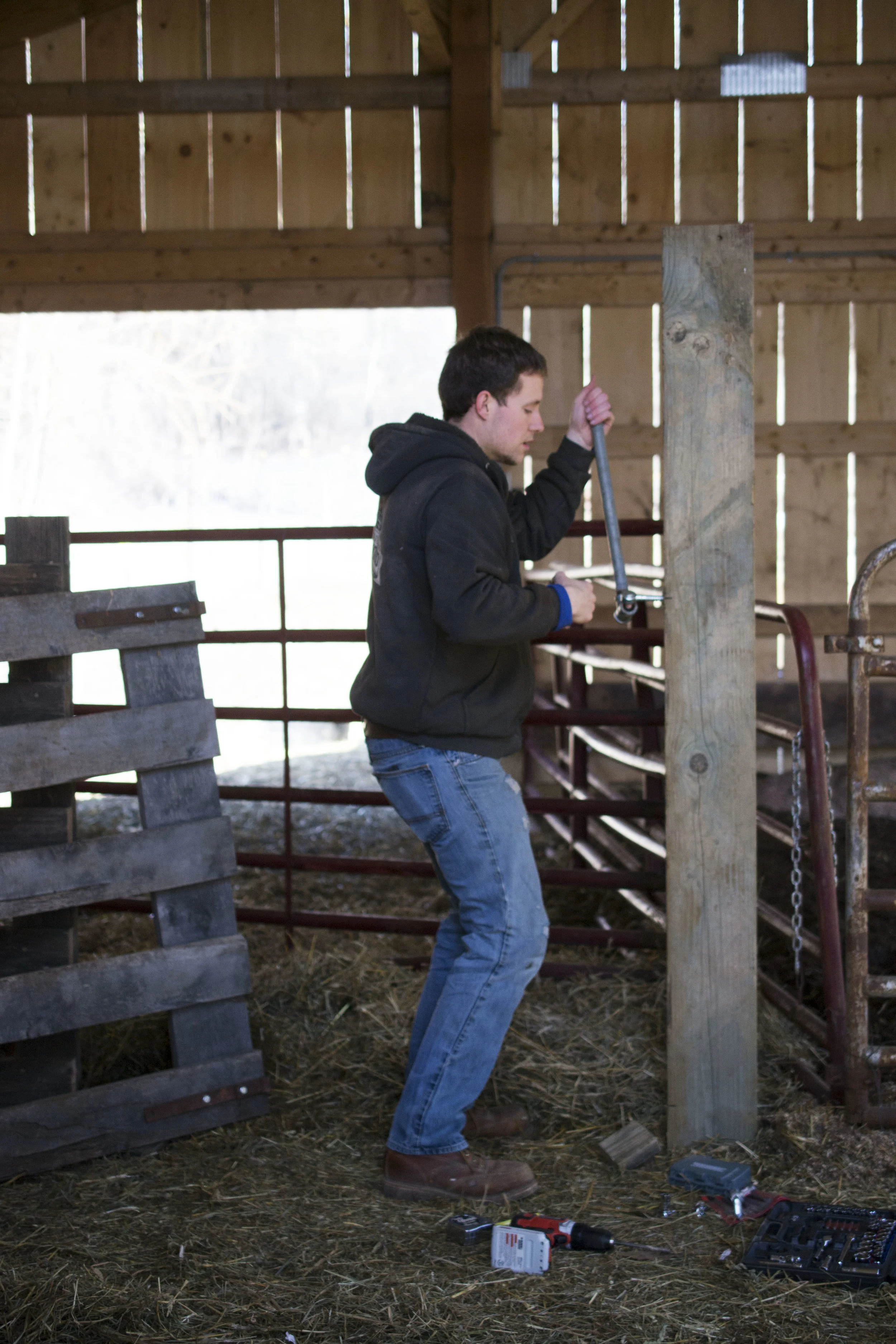
We've been working hard on our basement remodel, so hard that we've waited until the last minute to transition to necessary barn improvements for our growing flock. We spent a wonderful Saturday and Sunday in the barn and while it was a bit chillier than I would prefer it was nice to be working on our farm projects again.
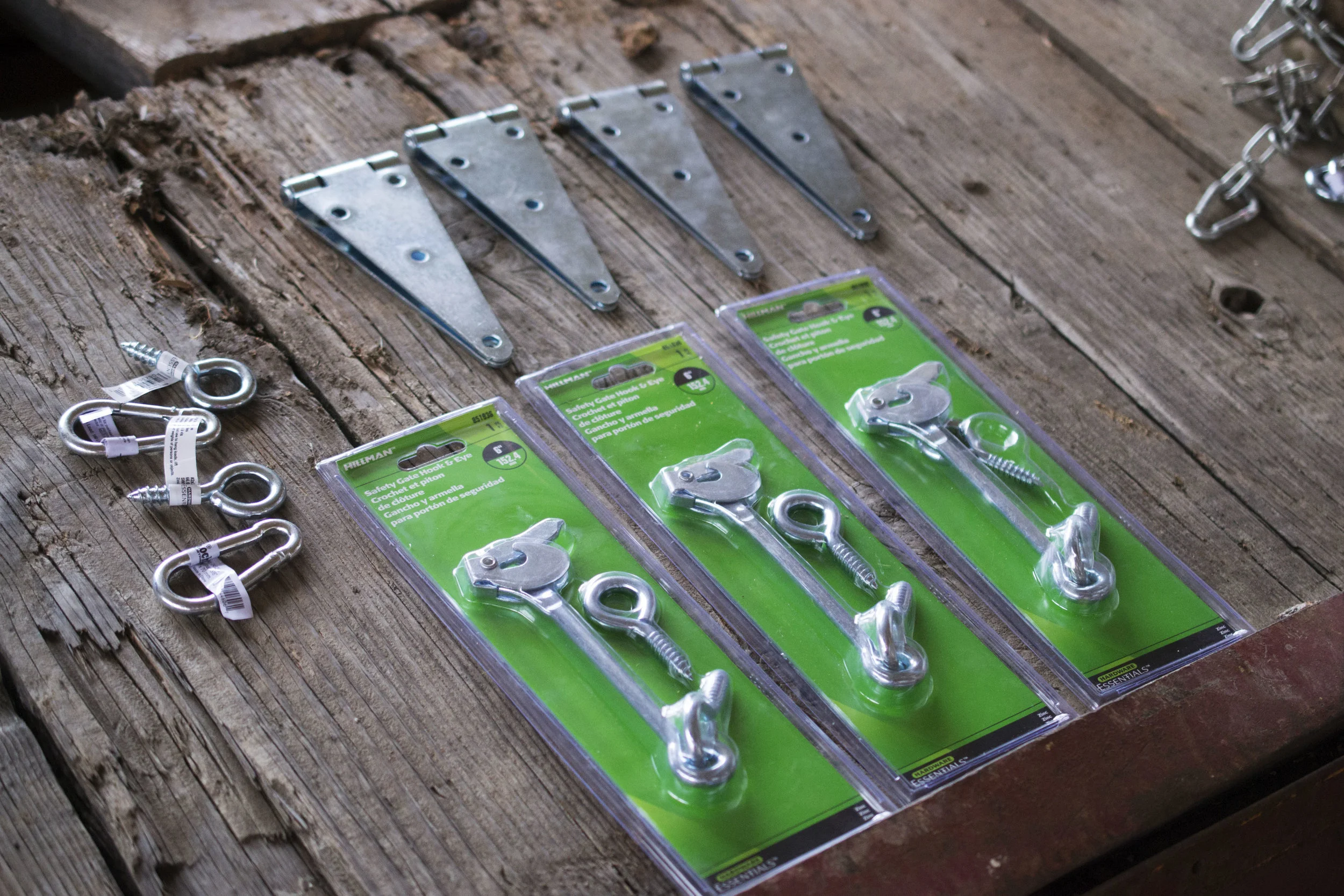
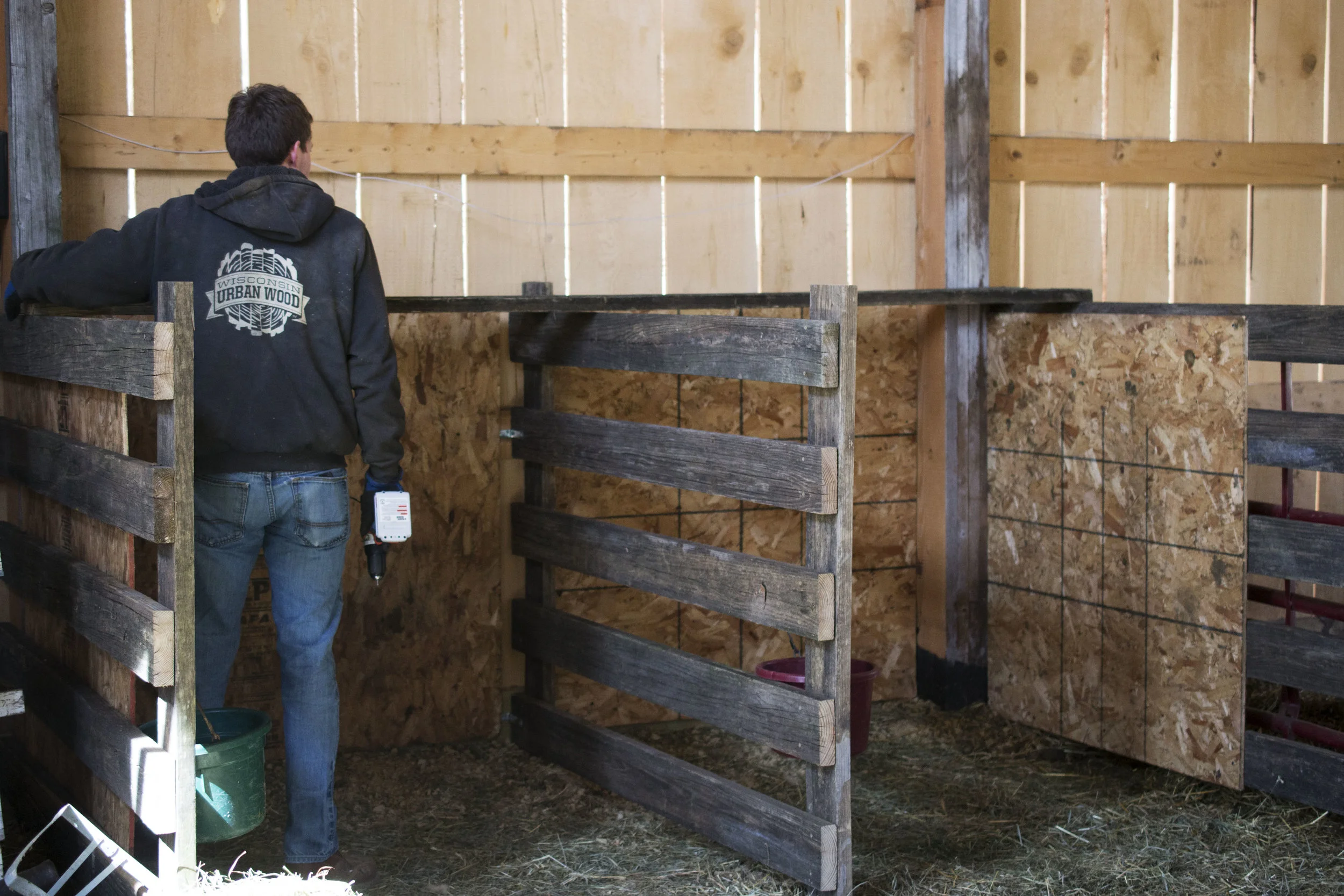
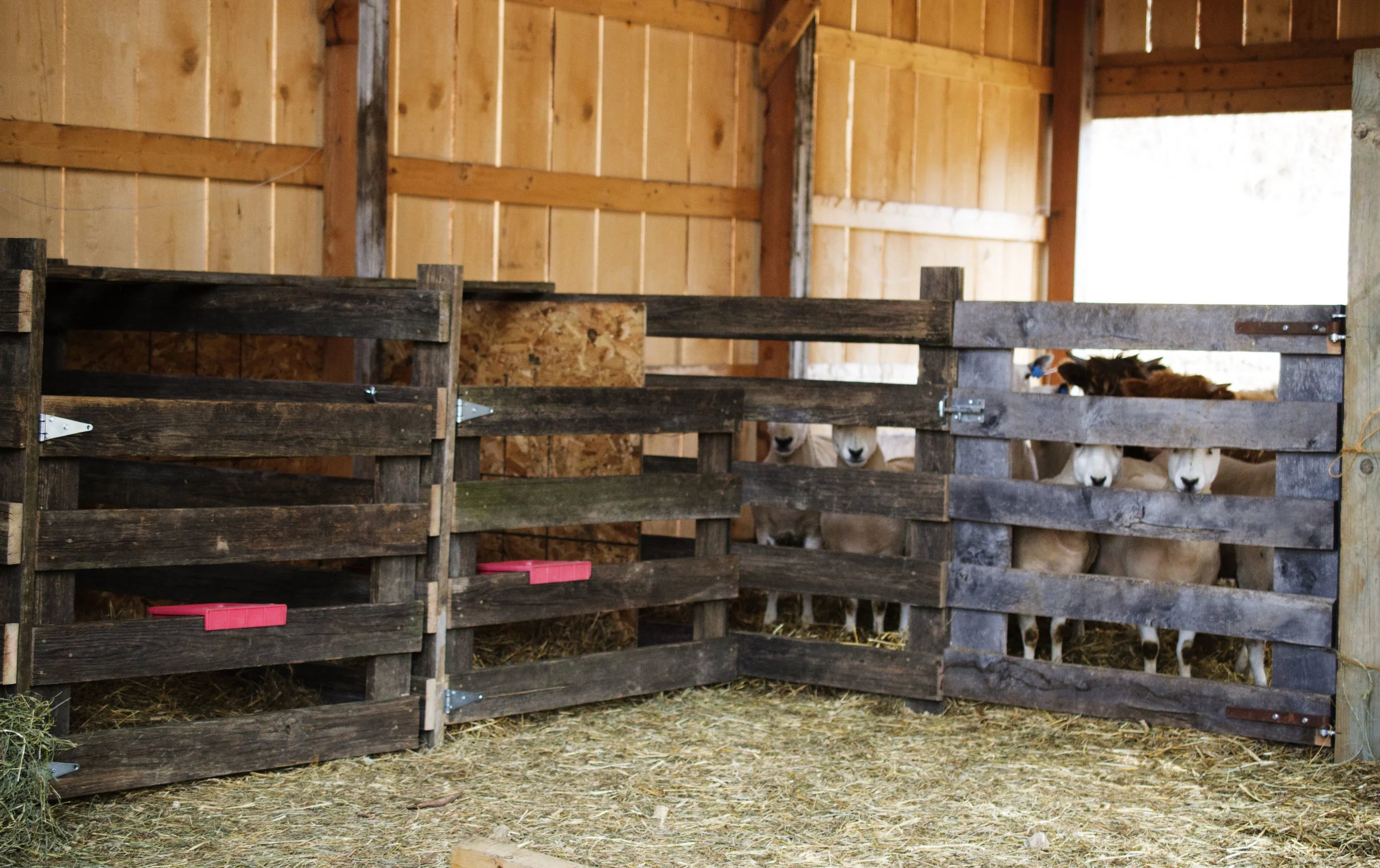
On the project to-do list was building lambing jugs (small pens) for our ewes and their lambs to bond after birth. Our new families will spend 1-3 days in the jug to make sure mama and babies have a chance to bond so when they are let back out with the flerd (flock + herd) baby knows exactly how to find Mama and her milk.
The jug also allows us farmers to make sure that the new lambs are growing and getting the nutrition they need from mama. If for some reason the ewe cannot provide for the lamb it is easier for me to evaluate the need for bottle feeding if they aren't out roaming with the flerd.
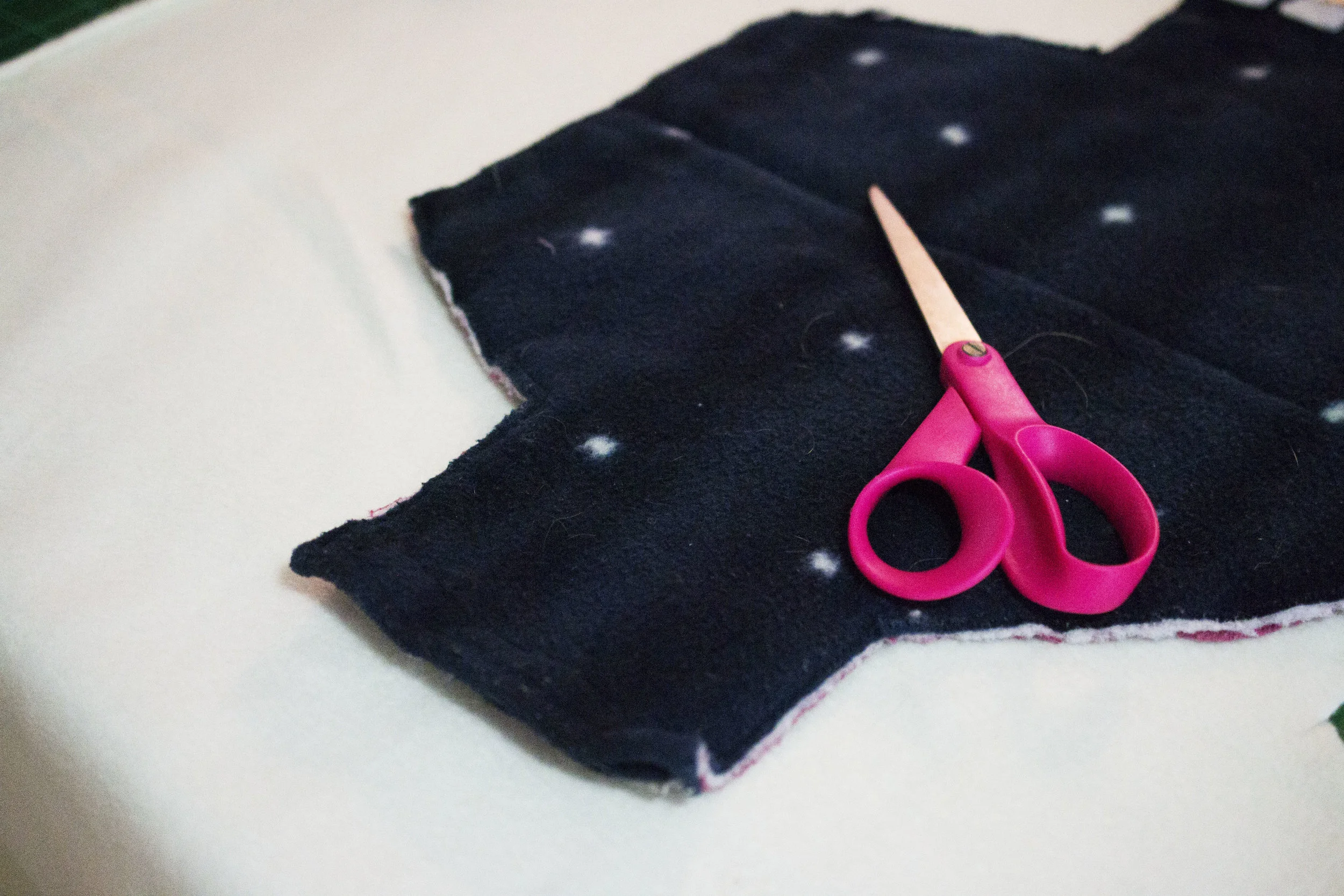
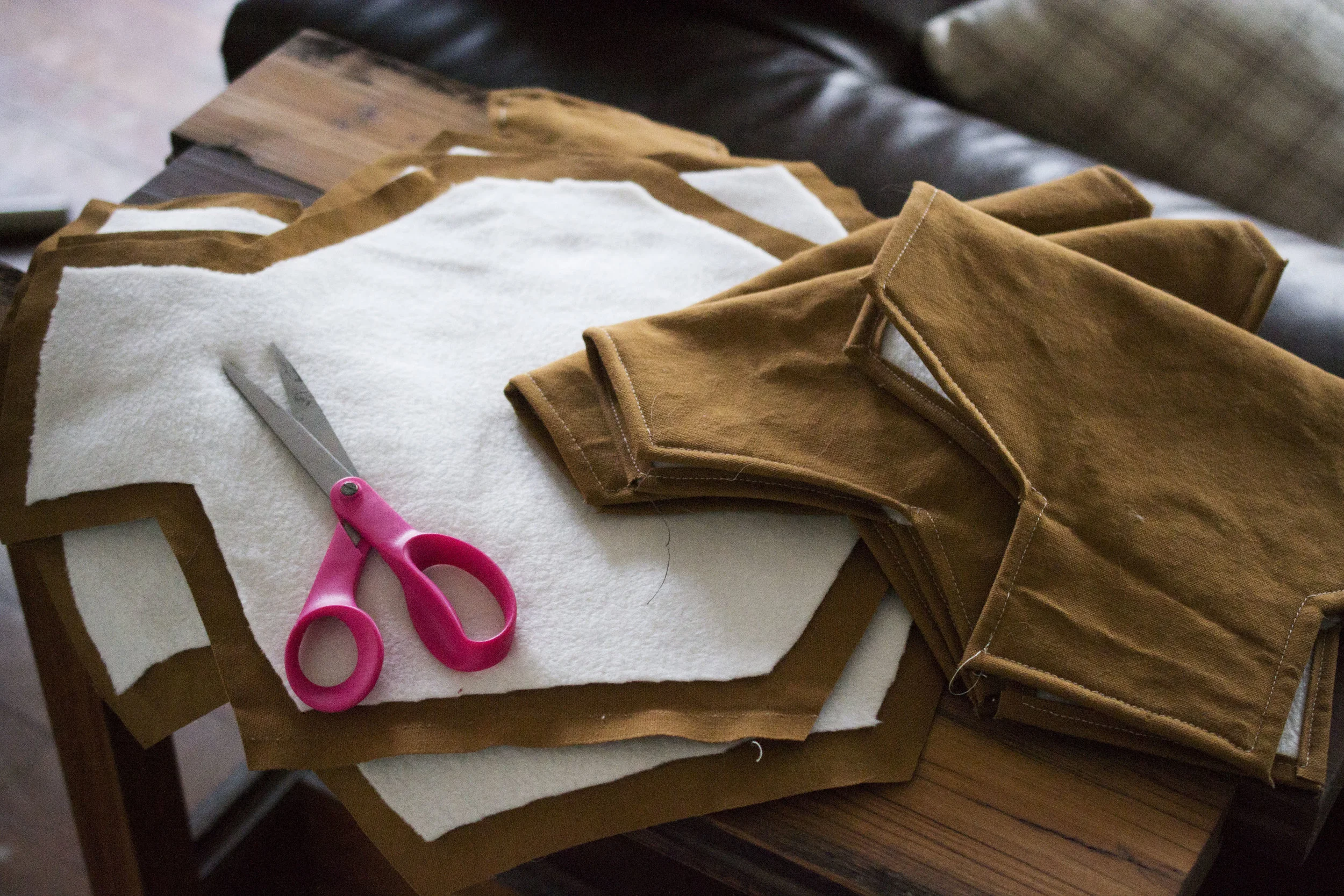
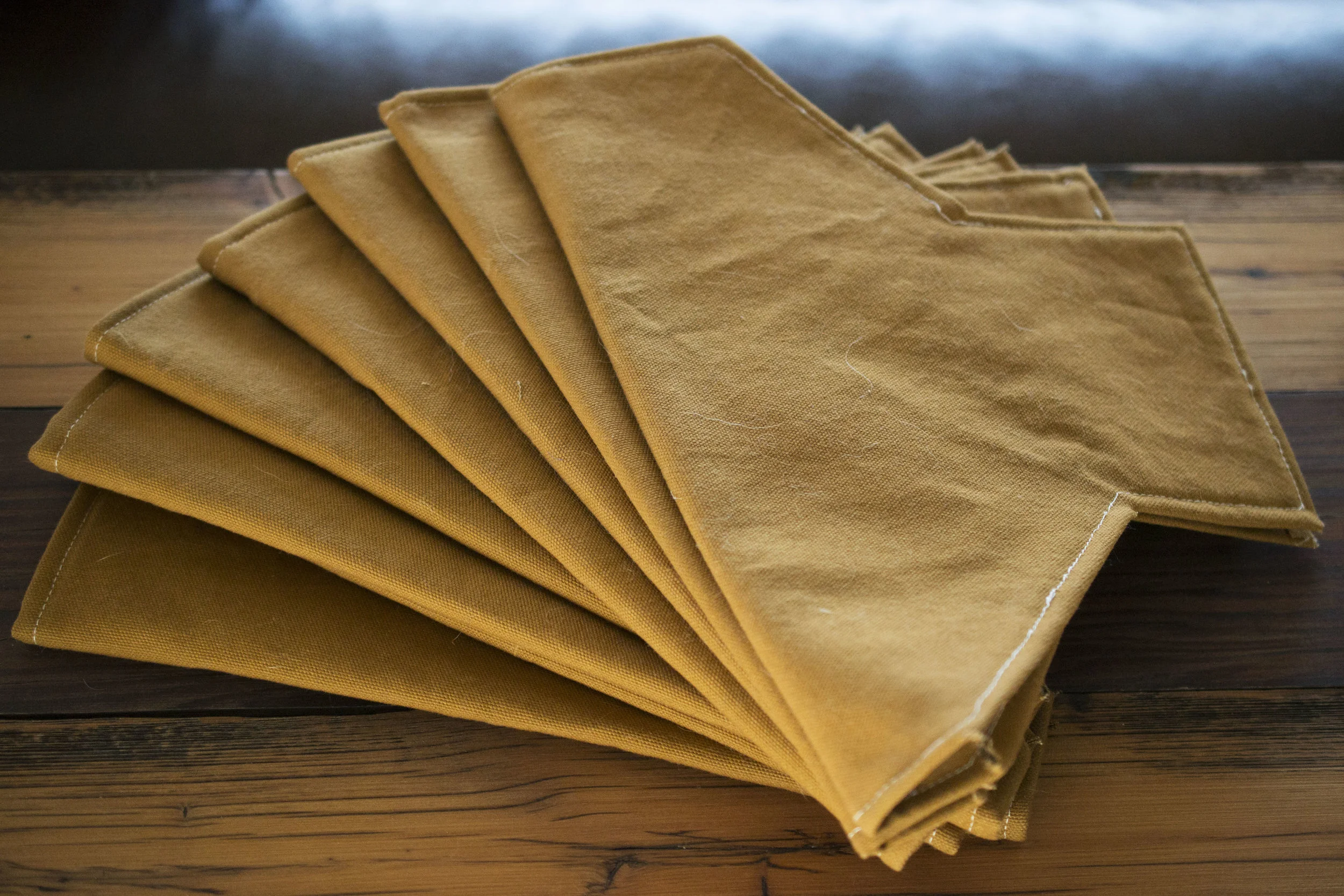
I also spent some time at my sewing machine making lamb jackets. These jackets make me happier than a kid in a candy shop, they are so small and totally cute.
I'm so anxious to snuggle our new lambs and I can't wait for them to arrive. Our first due date is Easter so I'm praying for some lovely time celebrating The Lamb and hopefully adding a few lambs to our pasture!