
How to Preserve Your Bouquet
How to preserve your wedding bouquet, even if it has peonies!
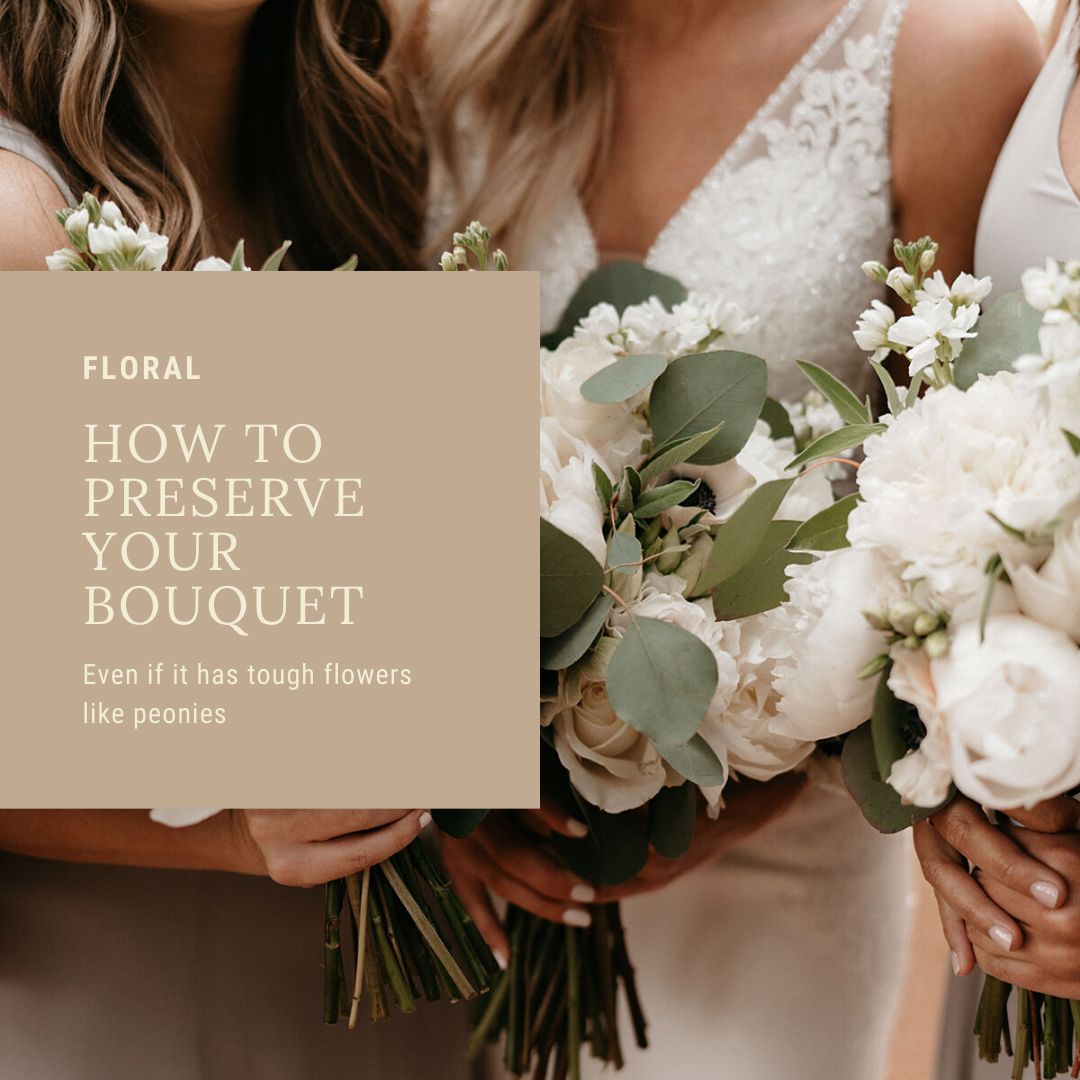
How to Preserve Your Bouquet
Did you have a bouquet full of peonies that just won’t live up to your preservation dreams? Well, they can now!
I’m so impressed with the creativity that has opened the door for tangible ways to save even the most difficult blooms (I’m looking at those peonies and dahlias here) and create something memorable with them.
Heirloom Bouquet is certainly on the list of companies you must check out if you want to preserve your wedding bouquet. AND this is NOT a sponsored post in any way, but man it’s too good not to share with you!
Heirloom Bouquet is a unique way to preserve those precious blooms you carried down the aisle on the biggest day of your life. To capture it beautifully and make a piece of art every guest in your home will be asking you about.
Save it for later
Pin it!


Featured In Madison Magazine
Homestead was featured in Madison Magazine’s online catelog
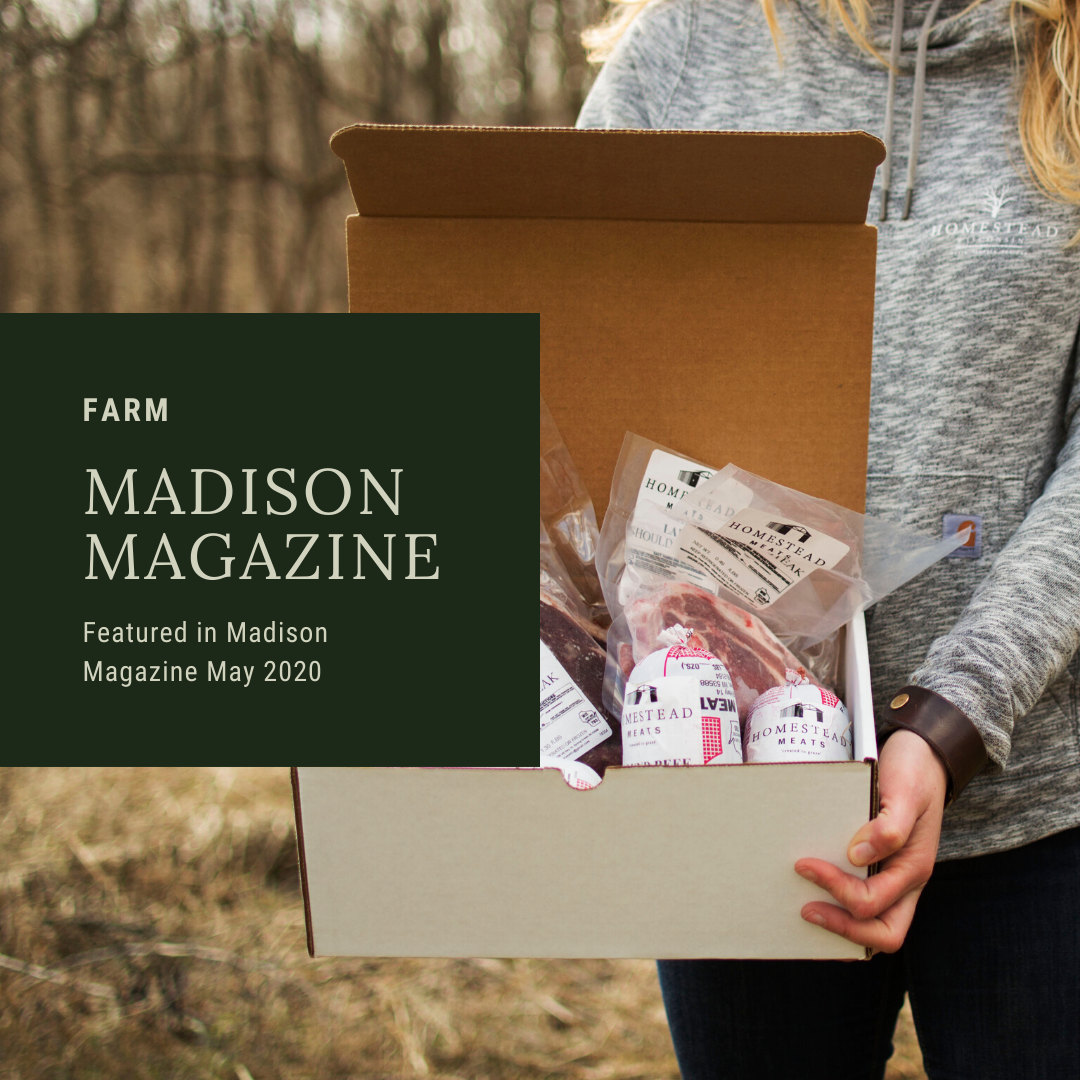
Homestead is Featured In Madison Magazine

The Complete Floral Checklist So You Can Stay Organized
Stay organized with this free floral checklist

The Complete Floral Checklist
So you can stay organized
There are so many ways to utilize flowers to create impact and a memorable experience for you and your guests. But, flowers are not one-size-fits-all and the options can be overwhelming. So, today I’m sharing with you the complete checklist that I use as a florist to guide my brides through all the possible ways to utilize flowers on their wedding day.
Save it for later
Pin it!


A Field's Reserve Wedding
On a beautiful February day these two UW grads tied the knot at one of Madison’s premier venues.
A Field’s Reserve Wedding
On a beautiful winter day in February the Field’s Reserve was filled with love and laughter as two UW grads said ‘I do’

The bride blushed holding this bohemian winter bridal bouquet.

Simple ferns and greens decorated these candelabras for the wedding centerpieces.


Beautiful bohemian details filled the ceremony and reception. Pampas grass, greens and lots of textural elements completed the floral look.

Vendors
Venue | The Field’s Reserve
Planning and Coordination | RELAX Event Planning
Photography | Natural Intuition Photography
save it for later
pin it!


Why We Don't Ship Meat
We get asked this question a lot, it’s time to answer it.
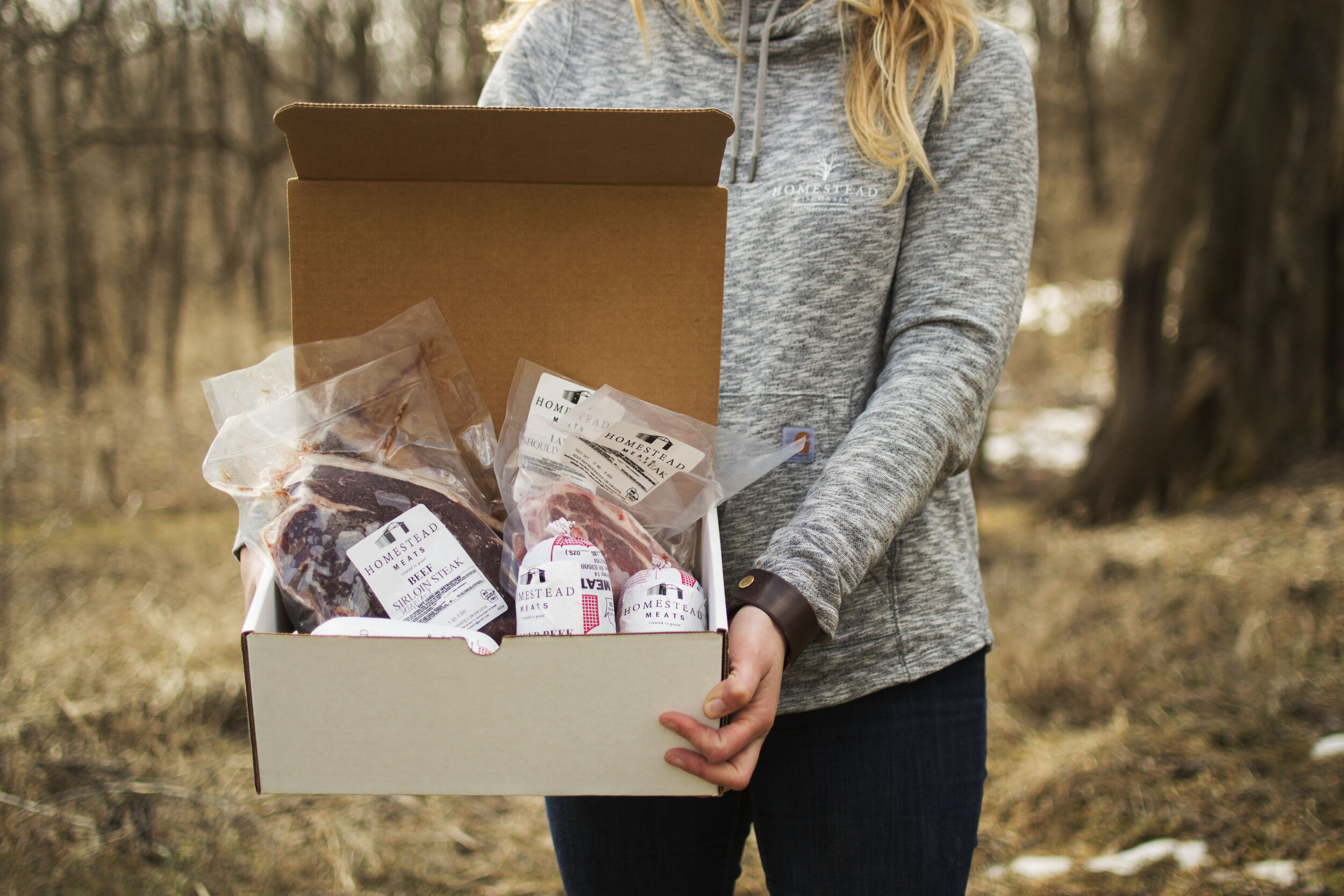
Why We Don't Ship Meat
We understand that more and more you’re wanting to get things delivered directly to your doorstep, especially during our current national and worldly crisis.
It’s why since the very beginning we’ve been selling our meat online and delivering it to your doorstep. We’re like you, we are busy, we could use one less errand and when we need something we go directly to Google to find it.
So, we totally understand why we get the question ‘do you ship your meat’ quite often. However, instead of answering why we’ve decided not to ship our meat via postal services behind the scenes, I feel it is time to put it out there.
This is why we don’t ship meat
It goes against our own desire to source our food from our local farm community.
Especially in Wisconsin we have an abundance of beautiful, tasty local food right out our back door. Obviously, this isn’t the case around the nation and we understand that. For us however, we believe that food grown by our ‘neighbors’ is worth preserving. If we start shopping elsewhere the farmers here may not be able to sustain themselves. We strongly believe that food is grown by neighbors for neighbors. The concept of ‘shop local’ is such a big part of who we are, so it is our goal to be part of our community in a way that our community can support us and we in turn provide them with quality meats and neighborly service.
Shipping meat across the state/nation steals from your local community
Now, I want to preface this statement, we do not want to shame other farms that have chosen to ship their products statewide or nationally. They might have very good reasons to do so. Each farm has to make decisions that make their model sustainable, and sometimes shipping is the means to that result.
However, I believe there is an abundance of great farmers, great local farms, especially in the Midwest. So, my dear friends in Minneapolis may buy from me when they visit, however, I know there are incredible local farms in their area that would love to serve them. So, I believe that they should find them and support them. Food has a beautiful way of connecting us to each other and if you can source the food you want near you I believe you’ll get far more than food on your table.
You could also think about it this way. If you’re a local real estate agent (or any other business person reliant directly on community support), wouldn’t you want your local farmer to buy land using your services? Obviously you would! In order for that farmer to purchase land, get their hair cut, eat at the local restaurant or buy any product or service locally they have to BE IN BUSINESS. If you’re shipping in your family’s food from another state when your farmer down the road has what you need (and also, provides a great service and has a quality product) WHY would you not want to support them? That money you spend comes back around within YOUR community.
We do not process our meat at a USDA facility
Currently, there is only one local butcher that provides on-farm harvest, and on-farm harvest is extremely important to us. We believe in providing the best end possible to our livestock. To harvest them in their natural environment and that by reducing stress on them we provide exceptionally tasty meat for our community. Our butcher is state-licensed which means we can only sell our meat within Wisconsin. So, shipping out of state isn’t even a legal option for us.
Our farm can be fully sustained by our local community if they chose to source their meat from local farms.
I think we’d be answering this question quite differently if our community wasn’t supportive of our farm. However, as we’ve slowly grown and slowly started to sink into our community, the community has been there for us. For us, if we show up and are a part of our community we can sustain our farm within a 20 mile radius. We are blessed to have found a farm so close to a large city center that is filled with people who love and appreciate local agriculture. For that reason, it is unnecessary for us to ship our meat.
Our encouragement in these times
Obviously the COVID-19 crisis is dramatically changing the way we buy food. We go out less and get more delivered to us. Now is the perfect time to start sourcing our food from our neighborhood farmers.
I know for us this crisis has formed a very strong sense of community. We are proud to offer a safe meal to those in the Madison area. We are proud to be dropping our meats on the doorsteps of our neighbors. We’ve been here for them all along, but it is times like these when we feel that we can support each other in the simplest of ways. For us, that simple meat delivery sustains our family, feeds our neighbors and that is exactly why we’ve decided not to ship our meats.
from us to you, thank you for supporting your local farms

Cooking Lamb
Rather than pretend I’m a chef, I’m going to let you learn from the pros on how to cook lamb.
How to Cook Lamb
Rather than pretend to be a chef, I’m going to let you learn from the pros and give you the resource I use in my own cooking adventures with lamb. The American Lamb Board has great resources and recipes available on their website.
If you love to cook lamb and have recipes you’d like to share, I’d love to highlight them here!
*** When you purchase lamb from Homestead we include a recipe guide and a temperature guide for your kitchen produced by the American Lamb Board. I am so grateful for the materials they provide us, producers, to help us best advise you on how to get the most flavor and nutrition out of your lamb.

New Year, New Relationships
Each New Year I focus my energy to a single task in my business. As a multi-service entrepreneur, it is easy to put too many to-dos on my plate, so instead, I try to focus on one over-arching task each season

New Year, New Relationships
Each New Year I focus my energy to a single task in my business. As a multi-service entrepreneur, it is easy to put too many to-dos on my plate, so instead, I try to focus on one over-arching task each season.
Last year it was ‘learn how to raise cattle in 18 months versus 24 months’ and ‘grow my online portfolio’ in weddings.
At the end of last year, I’d completed both of these tasks but I felt more alone than ever. Now, I’m an introvert through and through, but this sense of being alone was deep, deeper than I ever thought and ever let myself recognize.
So, per usual I sat down at the end of the year, reconciled my books, looked through the data I’d collected on both the farm and weddings I’d designed for and said, ‘what’s next’. (ps. I love these ‘mundane’ tasks and usually find myself caught up in them). This year it wasn’t a black and white task that came to the forefront of my mind. It was this ‘feeling’ (which I’m not always good at recognizing) in place of a ‘learn this’ or ‘achieve this’ task.
It was the desire to form meaningful relationships.
Sure, it is easy to preach ‘know your farmer’ but I started to question what steps I’d actually taken to know people in my community. What steps had I taken to know the people who trust and buy from me? What did my stance on ‘know your farmer’ actually means to me, this introverted farmer who loves animals and gets anxious in crowds? I have fear, I lack confidence and ultimately it’s been what’s kept me from truly living what I so desperately wanted for my customers. For them to know me, their farmer.
The same became so drastically apparent in my wedding design as well. I’ve met vendors, had coffee with vendors and made some friends in the industry. I’ve serviced my brides, openly communicated with them and had a very happy experience with each of them over the course of the year. But, these people that I’ve met, had coffee with and serviced always seemed to be an arms distance away. Not because I’ve purposefully decided to keep a distance, but instead I chose to lean into what comes naturally to me as an introvert. But, ultimately as a person, I need relationships with more meaning.
I now see how vital relationships are for every person. Every introvert, every extrovert, every entrepreneur, every mother, father, sibling, and the list goes on. We all crave more meaningful relationships in our lives. I think it has become more apparent to me as an entrepreneur because so much of ‘marketing’ and ‘running a business’ seems to be done on the other side of a screen.
And while all that ‘screen time’ is necessary it’s time to practice what I preach and form relationships with you, with my readers, with my customers and clients and those who receive my weekly emails.
So, that is what 2020 is going to look like for me and this business. I’m focused on getting out of my comfort zone, getting to know all the special people that surround me and welcoming you into the pretty and not so pretty parts of running a farm and floral business. I hope to get to know you better and share more of myself with you this decade.
I’d love to meet you, and I’d like to formally welcome you to join me at an event this season. Let’s get to know each other better.

Farm | Our first season of grazing our EQUIP pasture
Our first day of grazing was June 2nd.
Reflecting on our first season of grazing our EQUIP-funded pasture

June 2nd, 2019
Our first day of grazing was June 2nd. I fell significantly behind this spring because I was heavily exhausted in my first trimester of pregnancy and I still had a water line to finish before I could get cattle moved. So, by June 2nd the alfalfa and grasses were significantly over-grown so most of our first grazing in each paddock was trampled vs. eaten.
Our rotation schedule
When I met with my mentor and EQUIP partner this spring she mentioned I would likely move cattle each day, to which I thought, ya I’m sure with how I’m feeling I’ll move them everyday… BUT sure enough I moved cattle each day until July 13th. We had LOADS of grass to be eaten with such a cool and wet start to our grazing season. The cattle trampled and ate and I moved them every day. July 13th things changed with a heat wave and I moved them every two days to keep my work lighter during this time. Of course with that decision I instead made my paddocks larger, which left more to be trampled in the process. But, we got through a few days of a heat index over 100 degrees and we went back to daily moves.
Our first ‘rest’ period was just shy of 30 days for our first rotation, due again to the cool and wet weather we had the grass was growing well. I had planned on continuing with a regulated rotation, however, when an adviser visited the farm he suggested I get my beef back on the best grass instead of being so rigid with my rotation and paddock one was at it’s prime; so I moved them back to that paddock shy of 30 days.
The rest of the summer I maintained a Paddock 1 - 30+ rotation. During the heat of the summer I moved every one to two days depending on my paddock size. I had a few paddocks that were weaker in vegetation so I moved through those quicker than areas with good vegetative stands. I’m dealing with some significantly sandy areas that didn’t seed well so they are thin, leaving very little to eat.
Once fall approached I continued to move every one to two days depending on the quality and quantity of my vegetation.
Thanks to a smaller herd we grazed until November 16th this year!
I made things as easy as possible
I decided before we moved cattle down to this field that with how I was feeling I was going to need to make this first season as easy as possible. So, in the spring I ordered a couple hundred step-in posts and three reels. I set up my entire field with the step-in posts so that with each rotation I was only moving wire. I have to say this was a life-saver for me, especially this season, the less walking laps the better.
Later in the summer my mother purchased a JD Gator for me to use, and that was an incredible help as my energy level diminished with my growing belly.
we made hay
We only grazed 13 head this summer, our capacity is about 30, so this early grazing season we decided to take first and second crop hay from one side of the acreage and the area we cut totaled about 8 acres. Since we had such a great growing season we felt that it would simply age-out if we didn’t cut it since we had very few mouths to feed.
We only cut the areas that were heavy alfalfa which happened to be a big swathe down the middle of our field, so it made some pretty great hay and bounced back for our third rotation of grazing quite nicely.
We ended up in the end taking first and second crop hay and stock piling to extend our grazing season as well as the additional mouths we added in the fall.
things i learned
The biggest thing I learned this season was to be flexible. I thought each paddock should be evenly spaced, that my rotation should go in a certain pattern, and that I should graze my entire field in the same manner. The fact is however, that our 20 acres are very different. Some areas have abundant alfalfa, some clover, some grass and some with heavy weeds which all graze differently and need different periods of rest. I also learned to be patient (aren’t I always learning this in farming). I started the grazing season frustrated with the ‘unevenness’ of growth, diversity and size of my paddocks. I like things even, similar and predictable, again when will I learn farming is NOT predictable.
Overall, I am thrilled with what the pastures produced this year, calves got fat and nothing was over-grazed. I look forward to continuing to see changes and developments with future years of grazing and management. We’ve come so far but there is still so much room to grow!

Our field after the east side was grazed and the west side was cropped.
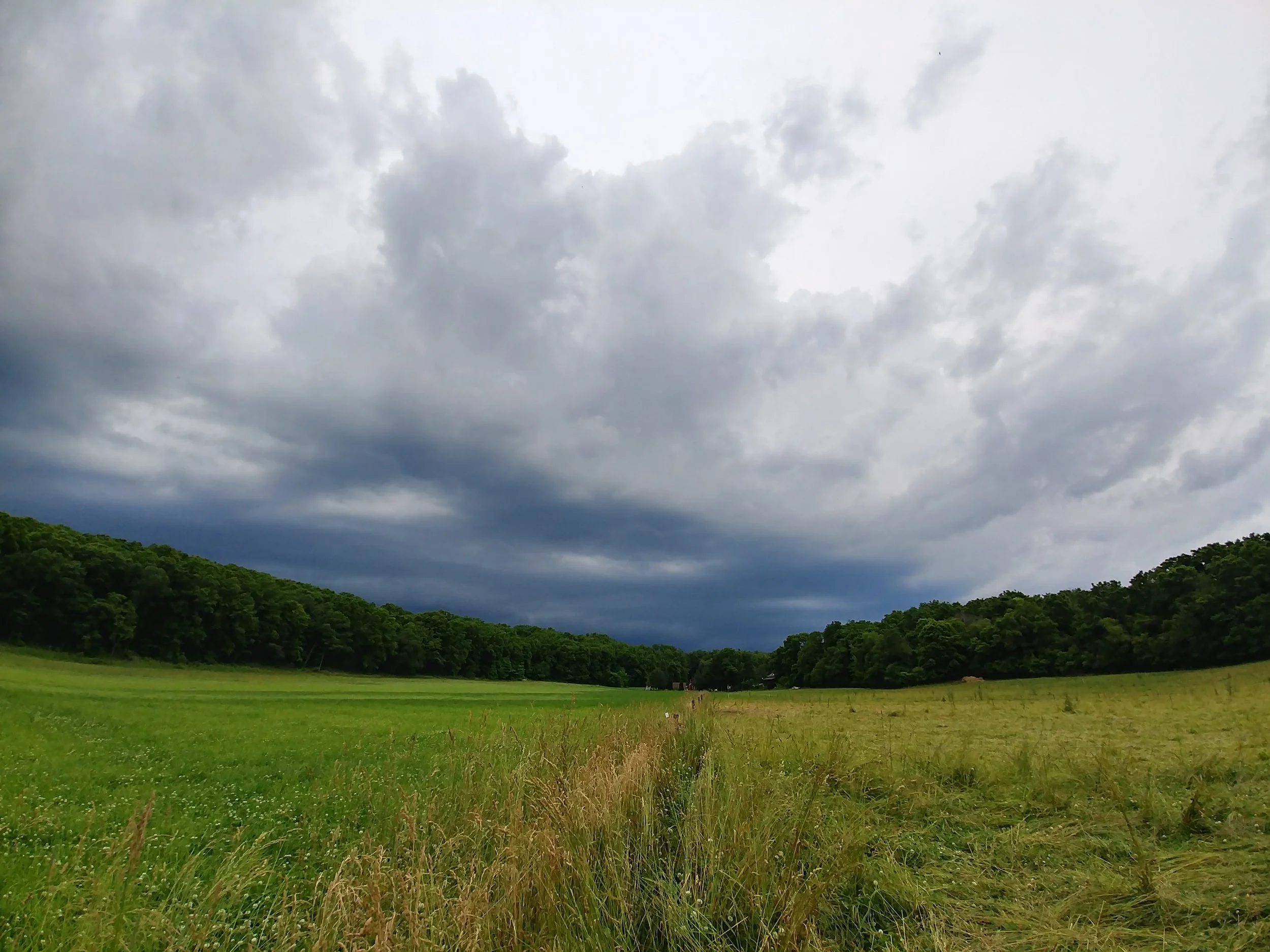
East side after first rotation, west side after first cropping, view from south

View of our cattle grazing the east side, two day moves, view from south.

Rotation #3, view from South


Events | My Farm-to-Table Baby Shower
Planning parties is something I just love to do, so when I found out we’d be welcoming a baby I almost immediately started planning my baby shower.
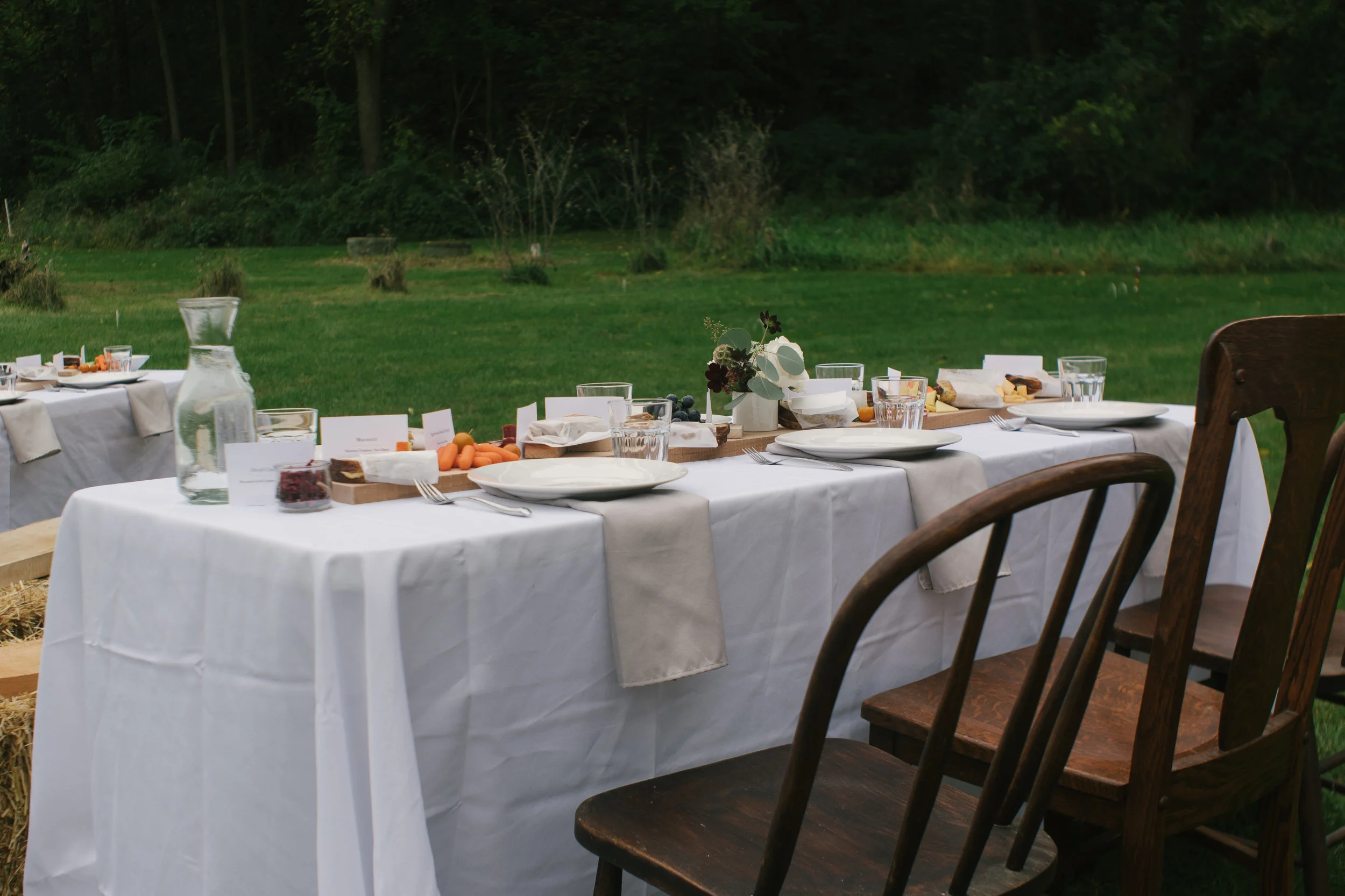
My Farm-to-Table Baby Shower
Planning parties is something I just love to do, so when I found out we’d be welcoming a baby I almost immediately started planning my baby shower. Now, my mother, friends and family would have LOVED to take care of all the planning for me, but I can’t help myself. Party planning is just too fun to give away!
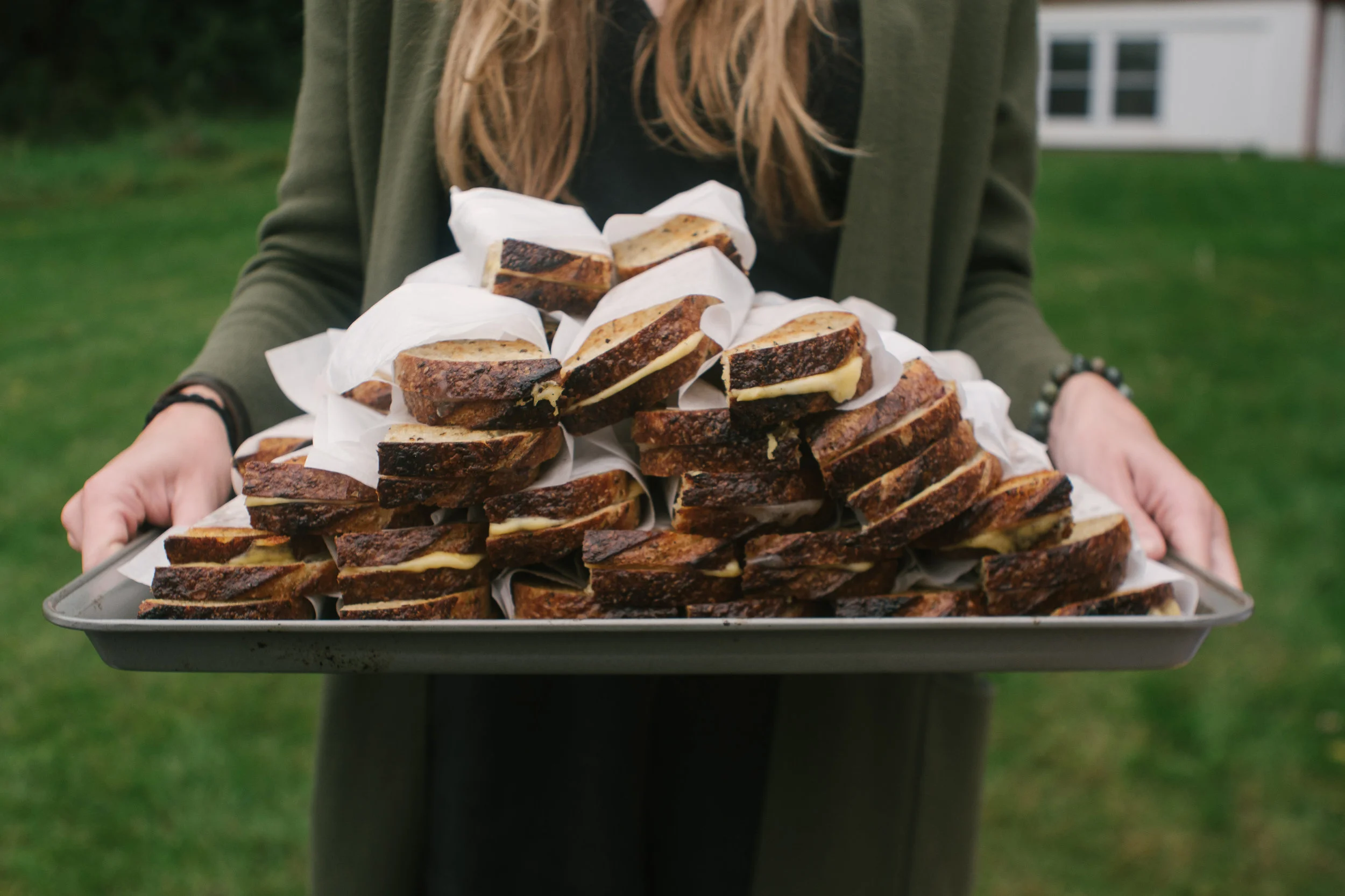
As a farmer I wanted to plan a farm-to-table style party. Fresh, local foods from some of my favorite farmers and local vendors was the foundation of the shower. Traditional, of course not, reflective of my personality, absolutely.
I am so grateful for my family and friends for pulling all my ‘plans’ together into a beautiful afternoon celebrating baby McCoy. I have an incredible group of ladies who showed up to make me feel so special and to send me off into this new adventure in such a fun way.




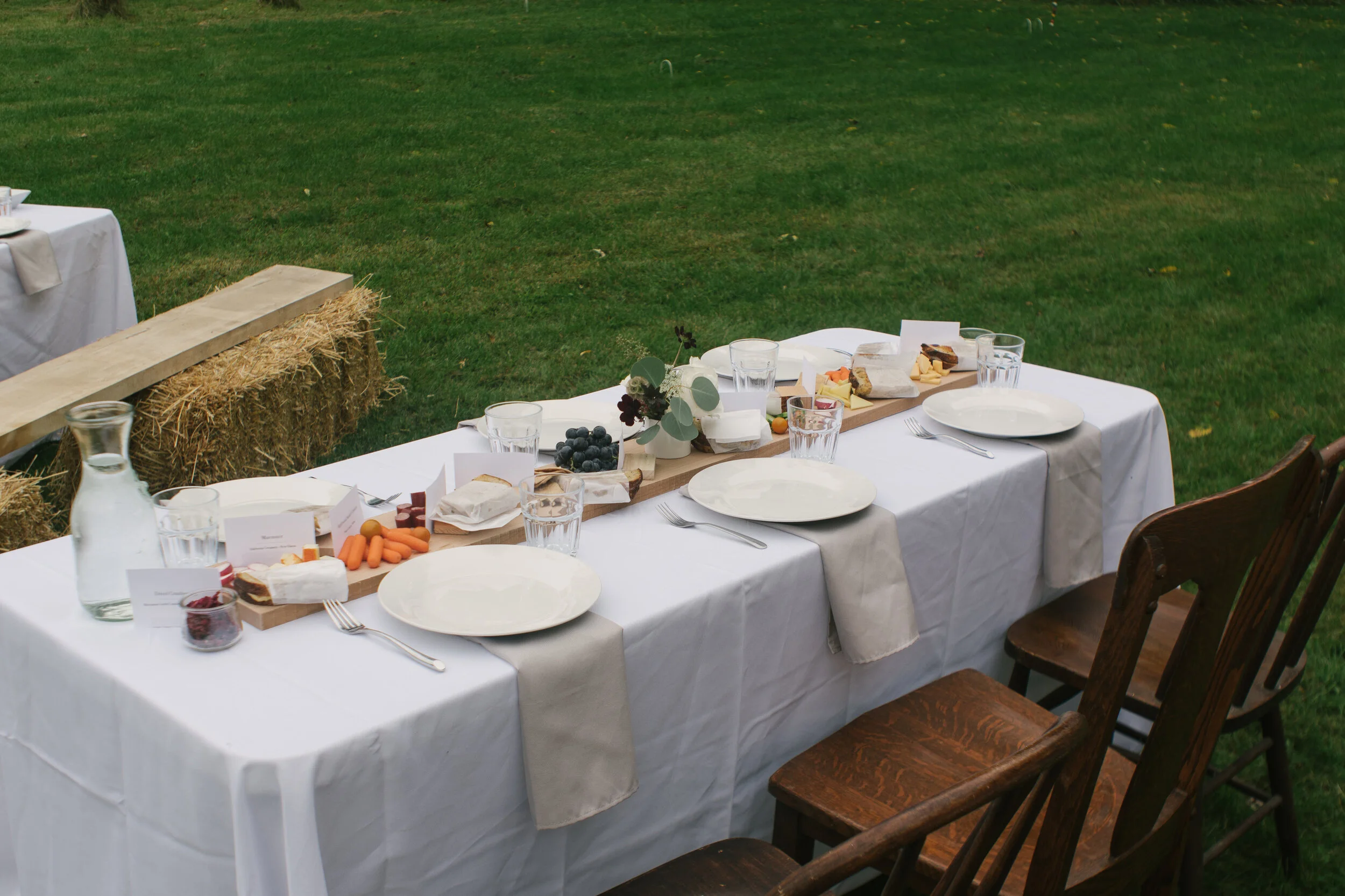
Featured Farms & Producers
Homestead Meats, LLC | Summer Sausage and Sausage Sticks
Meadowlark Organics | Flour for pastries
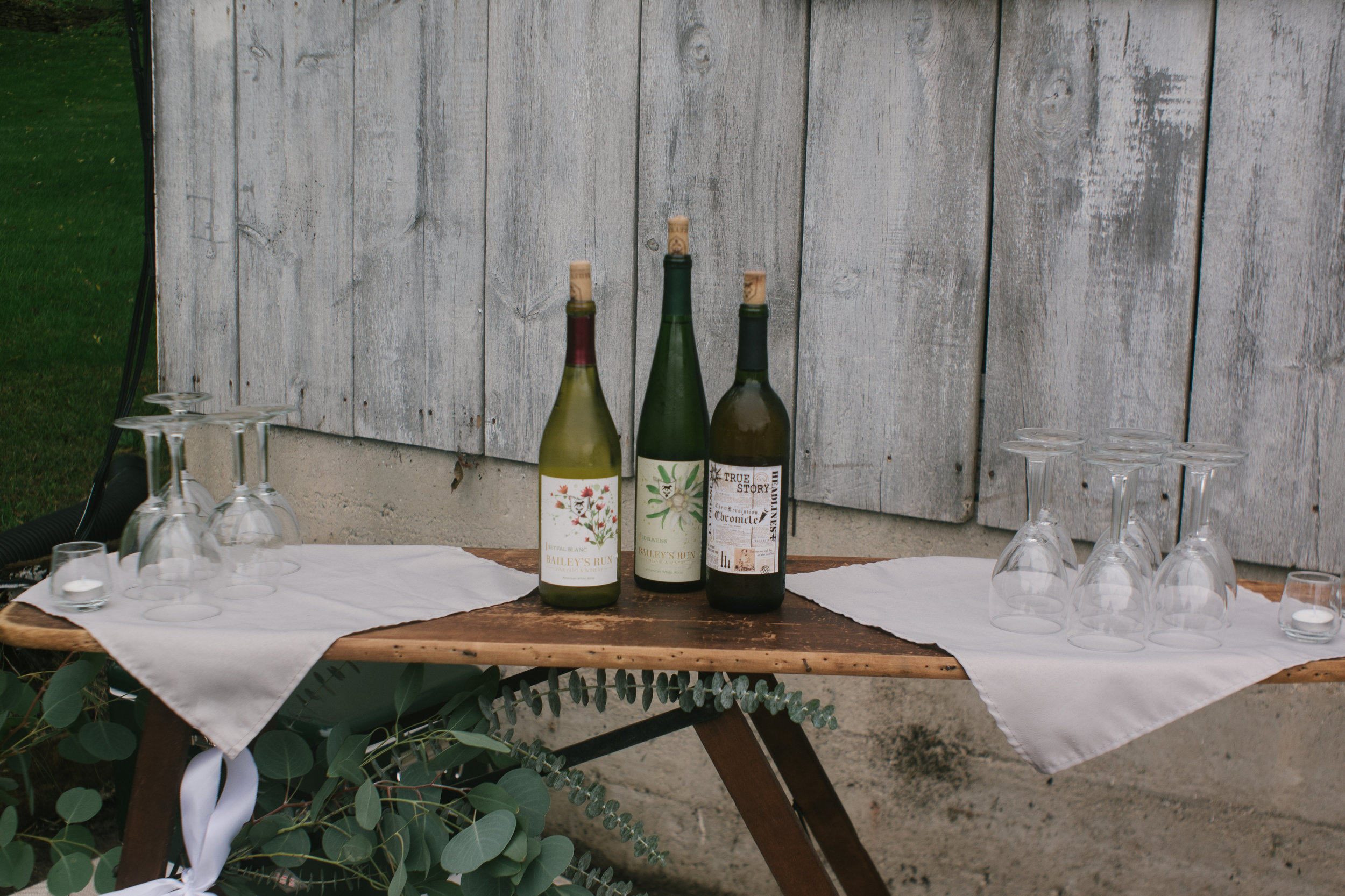
Bailey’s Run Winery and Vineyard | Wine
Munchkey Apples | Apples
Winterfell Acres | Veggies
Landmark Creamery | Cheese
Edelweiss Creamery | Cheese
Potter’s Cracker’s | Crackers
Madison Sourdough | Bread
Carandale Fruit Farm | Grapes
Floral
Stationary
Photography
Wood For Charcuterie Boards & Benches

Floral | 10 Helpful Questions to Ask Your Florist
You’re engaged, congrats! This is such an exciting time and while it may seem overwhelming all the details that need decisions, your floral should be a fun part of the process.

10 Questions to Ask Your Florist
You’re engaged, congrats! This is such an exciting time and while it may seem overwhelming all the details that need decisions, your floral should be a fun part of the process.
Today I’m sharing some of the top 10 questions to ask your florist during your first consultation. It is my hope that by asking these questions you can feel confident in making your floral decisions.
10 Questions to ask
What flowers are likely to be in season?
Are my floral requests in line with my budget?
What recommendations can you make to keep the cost within my budget?
Do you provide any vases/decor? If so, is there a fee for using these items?
Do you deliver, set up and tear down?
Can I send arrangements home with guests?
How do you coordinate delivery at different ceremony and reception venues?
When do you schedule tear-down?
How many weddings to you do per weekend? If you book multiple weddings per day how do you handle my delivery?
What does your booking and future communication process look like?
save it for later
Pin it!

Floral | When Should I Contact a Wedding Florist?
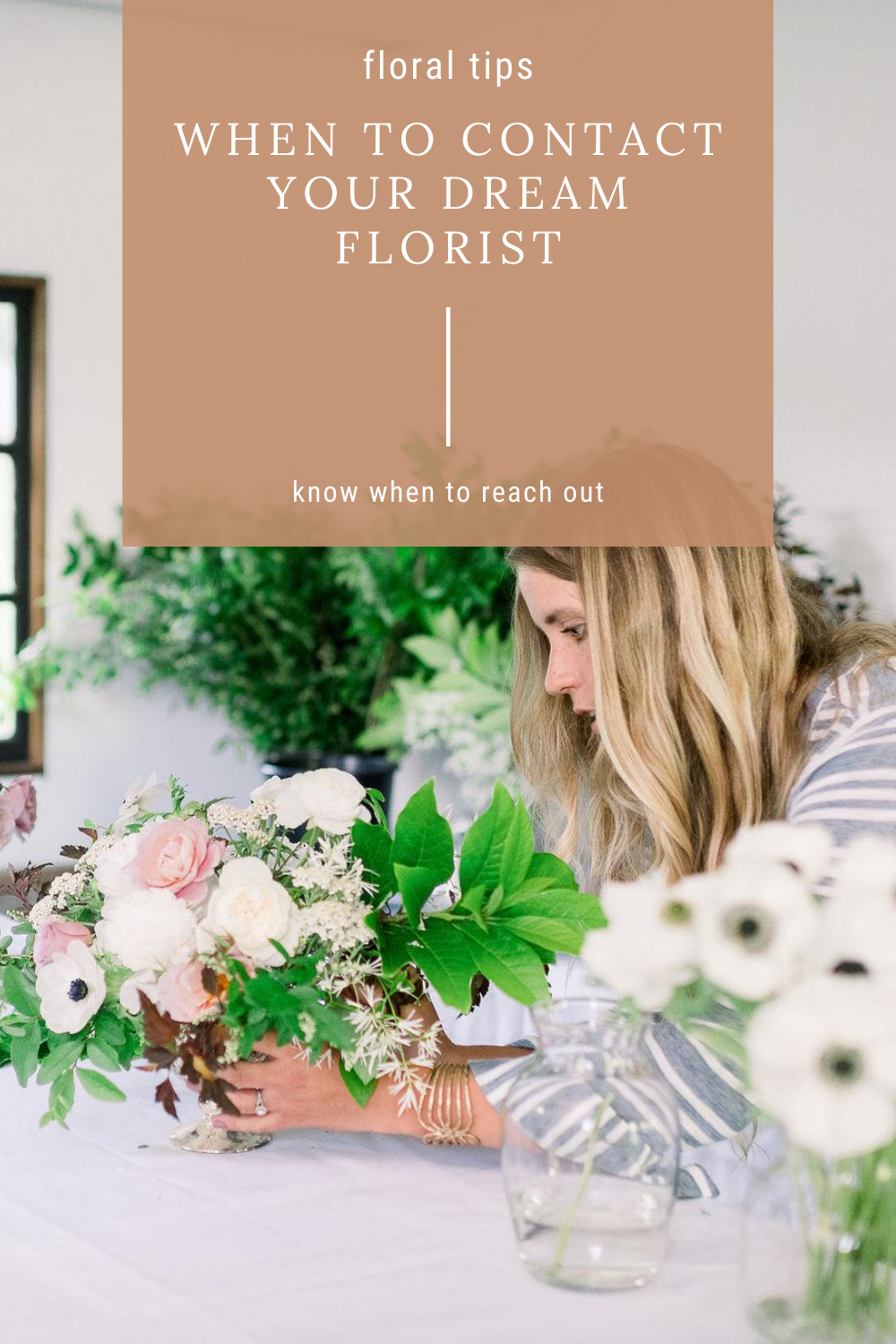
While it might seem crazy to call on a wedding florist over a year in advance, if you know who you want to work with be sure to reach out to them early!

When should I contact a wedding florist?
Early. While it might seem crazy to call on a wedding florist over a year in advance, if you know who you want to work with be sure to reach out to them early! It is very common for florists to be booking a year or more in advance.
My general ‘rule’ is if you have your venue, your colors, a general idea of what you want for flowers (centerpieces, large alter arrangements, aisle flowers, bouquets and boutineers), photos of flowers you love and a budget you have enough to reach out.
So, put together a list of your floral ideas and contact that florist you’ve been dying to work with!
save it for later
Pin it!


Floral | Tripp Commons - UW Memorial Union Wedding
I seriously have the.best.job. because of incredible people like Sarah and Colin.

A UW Memorial Union Wedding
I seriously have the.best.job. because of incredible people like Sarah and Colin.
I hadn’t met Sarah or Colin until their wedding day, all of our correspondence up to the wedding was via phone or email because they both live in the windy city of Chicago.
These two are so incredibly sweet and kind-hearted and I was so honored to be entrusted with their wedding flowers even though we’d never met.
The funnest part of their wedding day is that 29 years ago my parent’s held their reception in Tripp Commons at the UW Memorial Union. It was such a beautiful way for me to envision where their love story came together.
Sarah and Colin it was my greatest pleasure to work with you. I wish you all the blessings in your marriage, cheers!
Photos courtesy of Andy Stenz Photography

They celebrated with a beautiful lake-side ceremony just above the UW Memorial Union Terrace.


Their ceremony was followed by an inviting reception hosted in Tripp Commons.


Renovations | Our Second Year at the Homestead
Today we celebrate 2 years here at the homestead!

Celebrating our second year on the homestead
As I write this post I’m sitting in my kitchen, my computer is on the counter and the last two months of paperwork is finally getting tackled... We’re in the midst of refinishing our living room floors which went from a hopeful ‘easy’ project to a massive undertaking. The good news is we tend to find more humor in ‘realistic timelines’ being thrown out the window with every project we begin than we did two years ago. In a week things will be back to normal, at least in part.
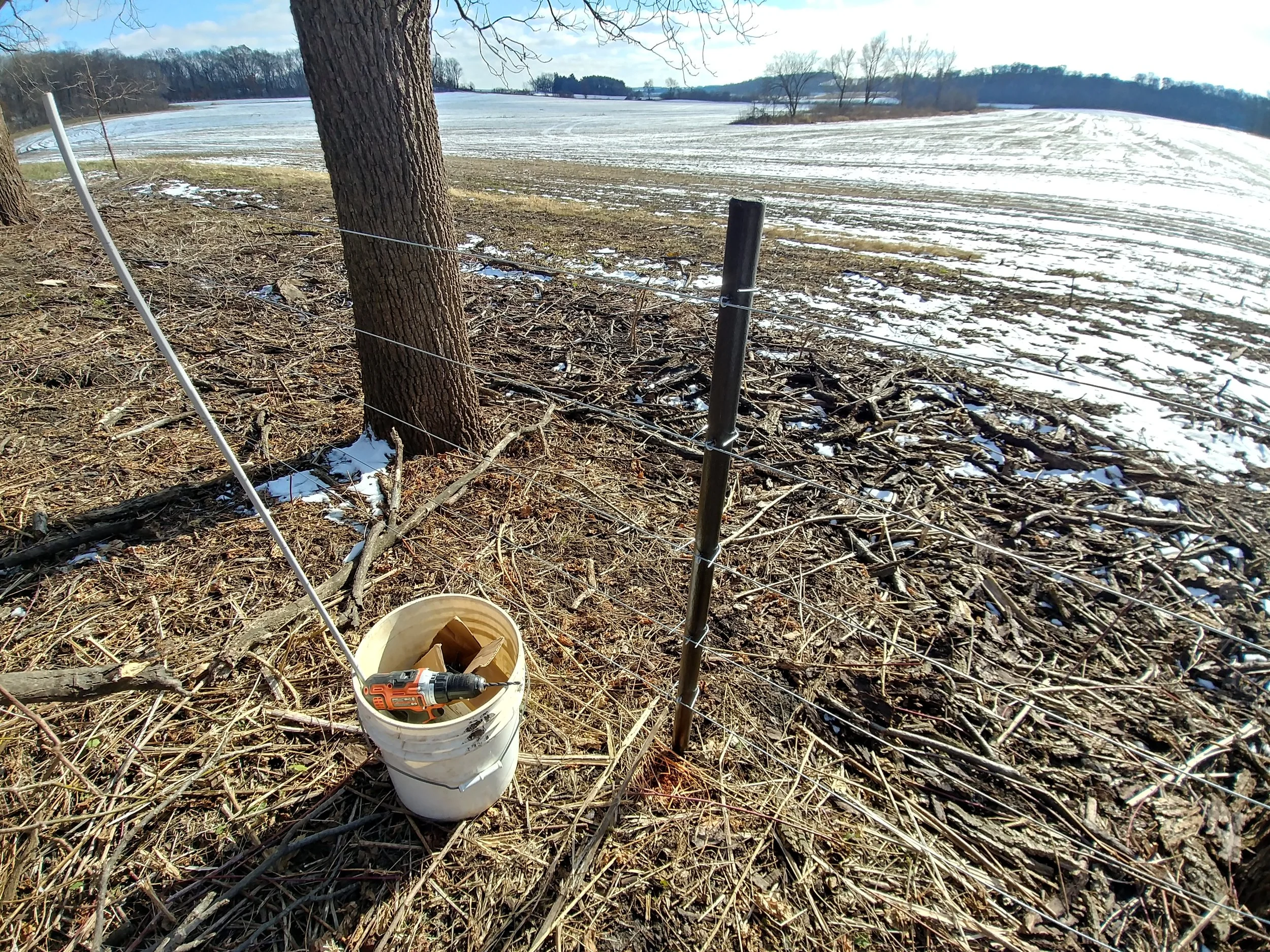
This has been another year of learning new things, perfecting new things (when you have 20 acres of fence to put up you tend to have a lot of practice), and continuing to fall in love with home.
I’ve made the comment more than once since we closed two years ago that a “match would be easier” but each and every project that we complete the more comfortable and home-like this place starts to feel. I can’t say it’s been an easy couple years, we’ve had to live outside our comfort zone on a daily basis. Our well-kept home, nightly cooking and a driveway we could always escape are still things we miss about life before moving here. But, the ability to farm together, to work towards something together and to put our name on this place together is still worth it all.
So, as will likely become a yearly ritual, here are a few snapshots of projects from the past 12 months.
Our lower pastures
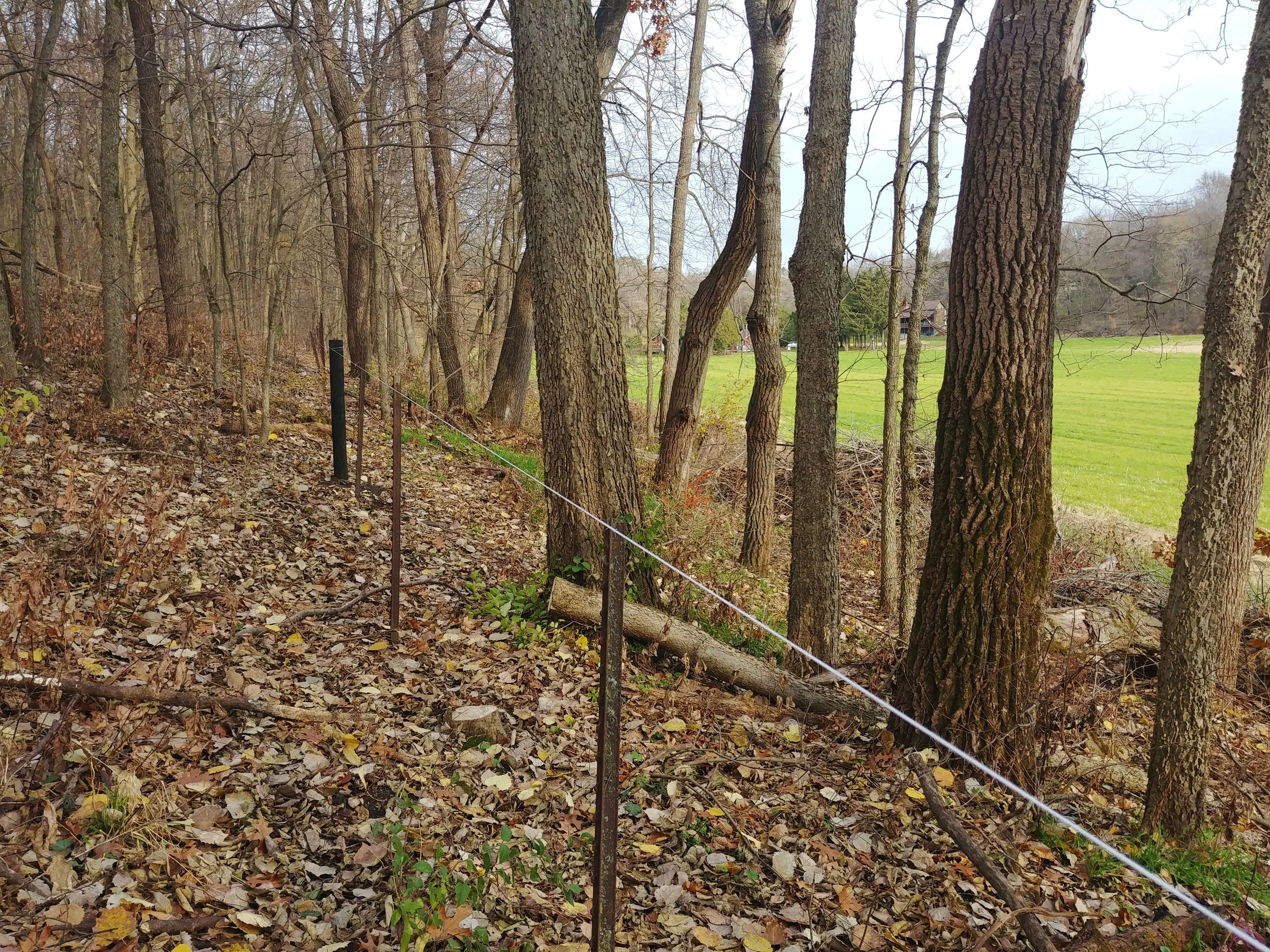
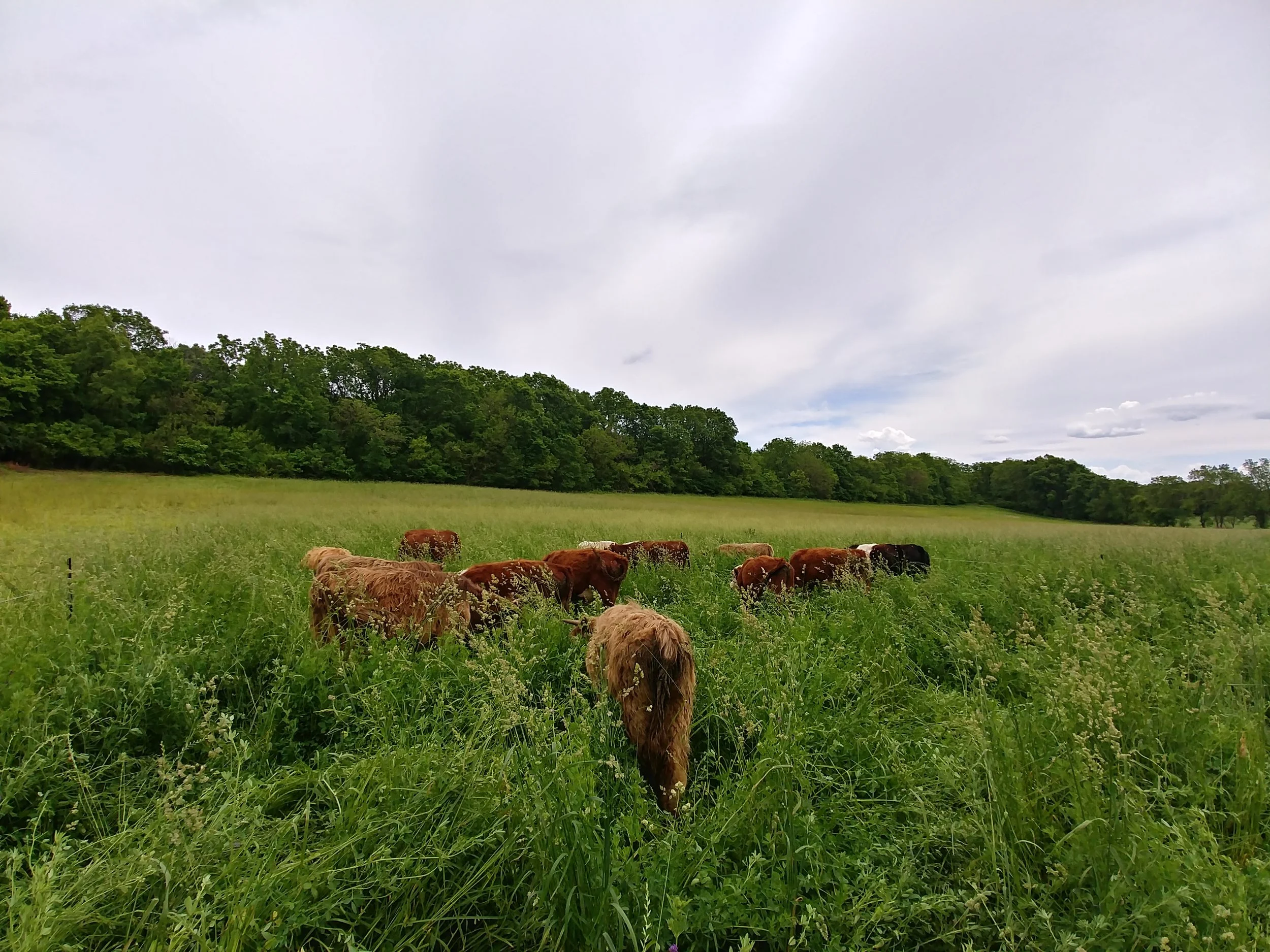
We completed our 20 acres of fencing and are now in our first grazing season!


![2019-06-029508.47.23951[1].jpg](https://images.squarespace-cdn.com/content/v1/564d1adce4b0aacfc099a202/1564664580718-I81FSO0Z6WMNQ8PBNMDF/2019-06-029508.47.23951%5B1%5D.jpg)
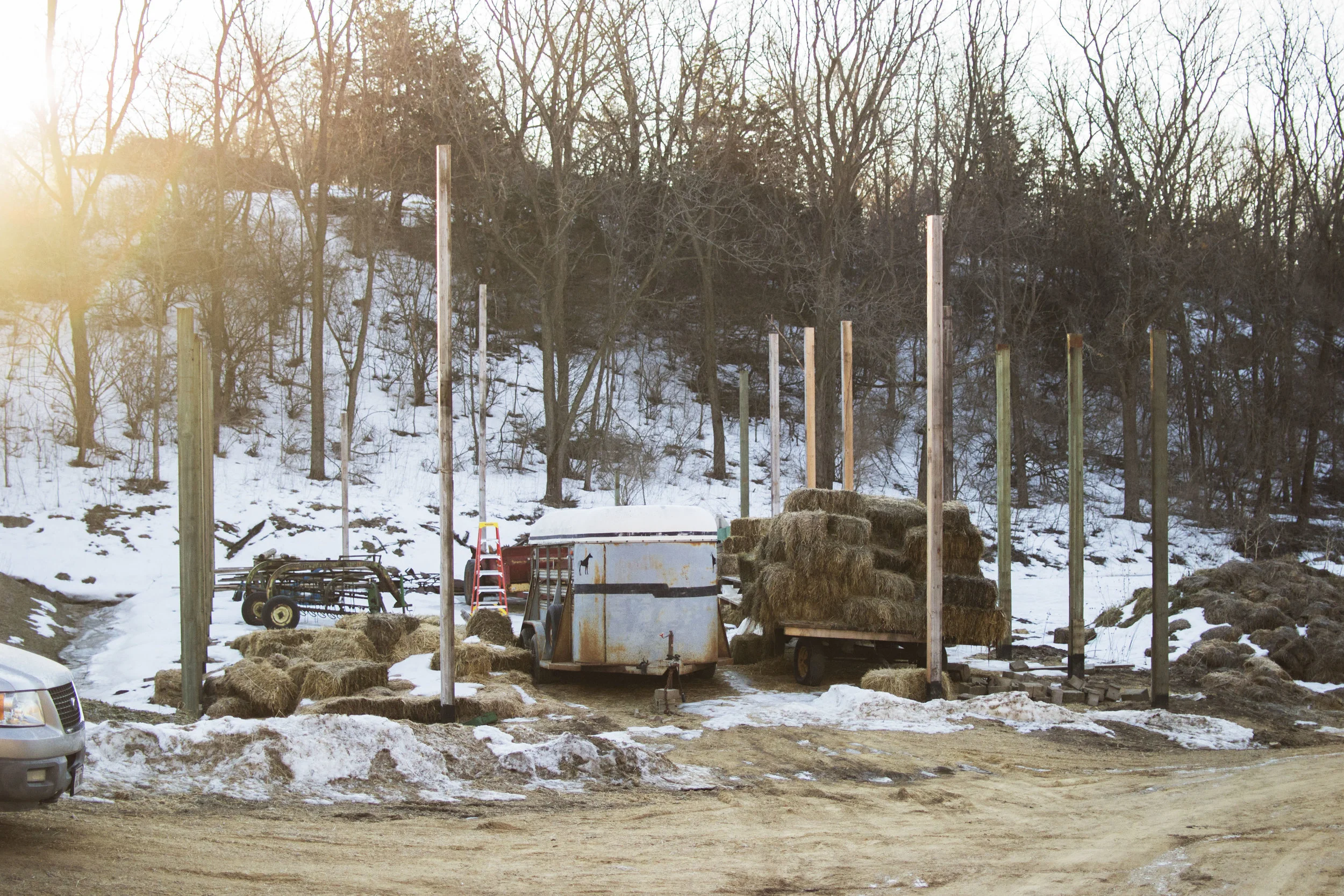
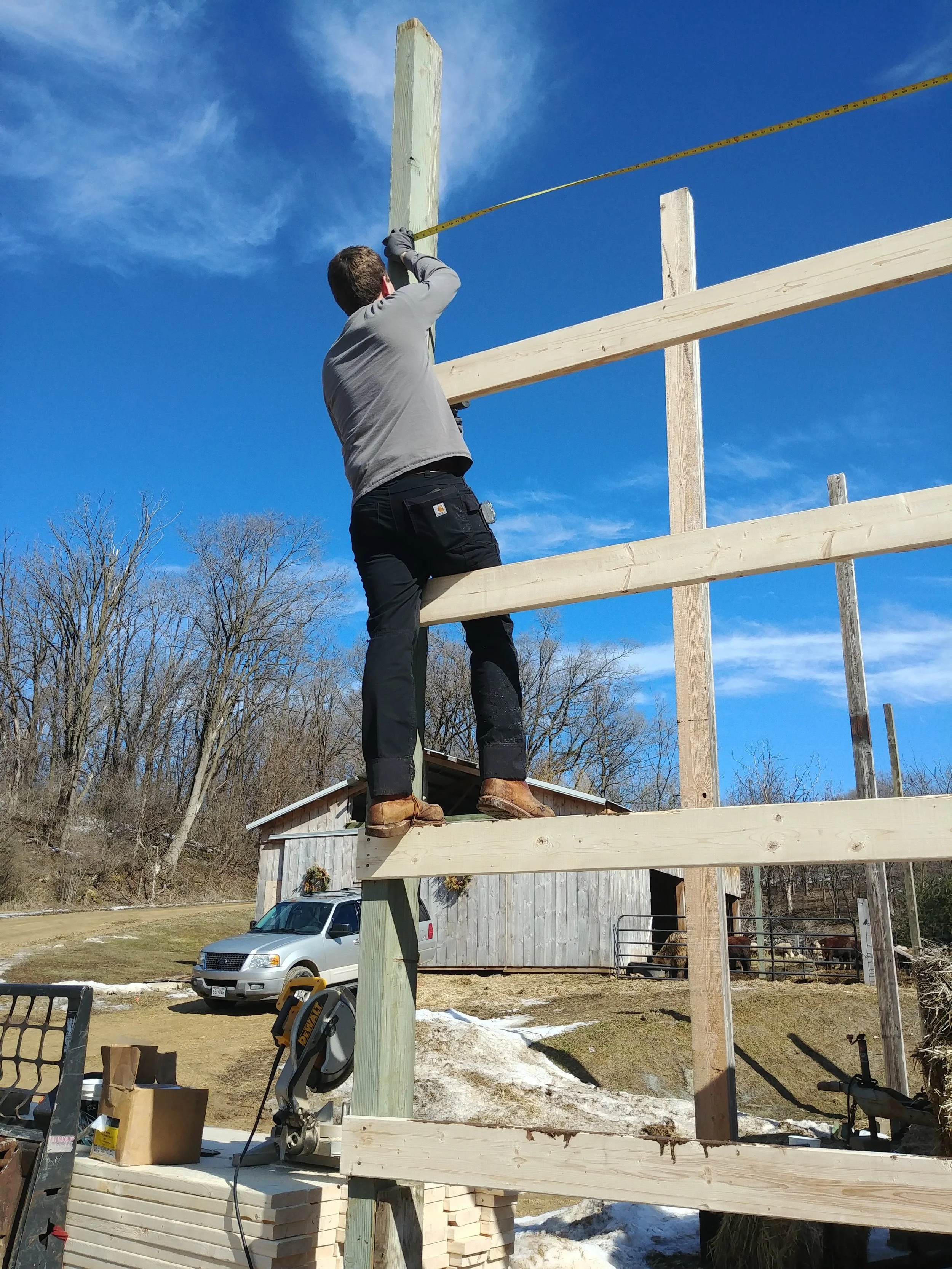
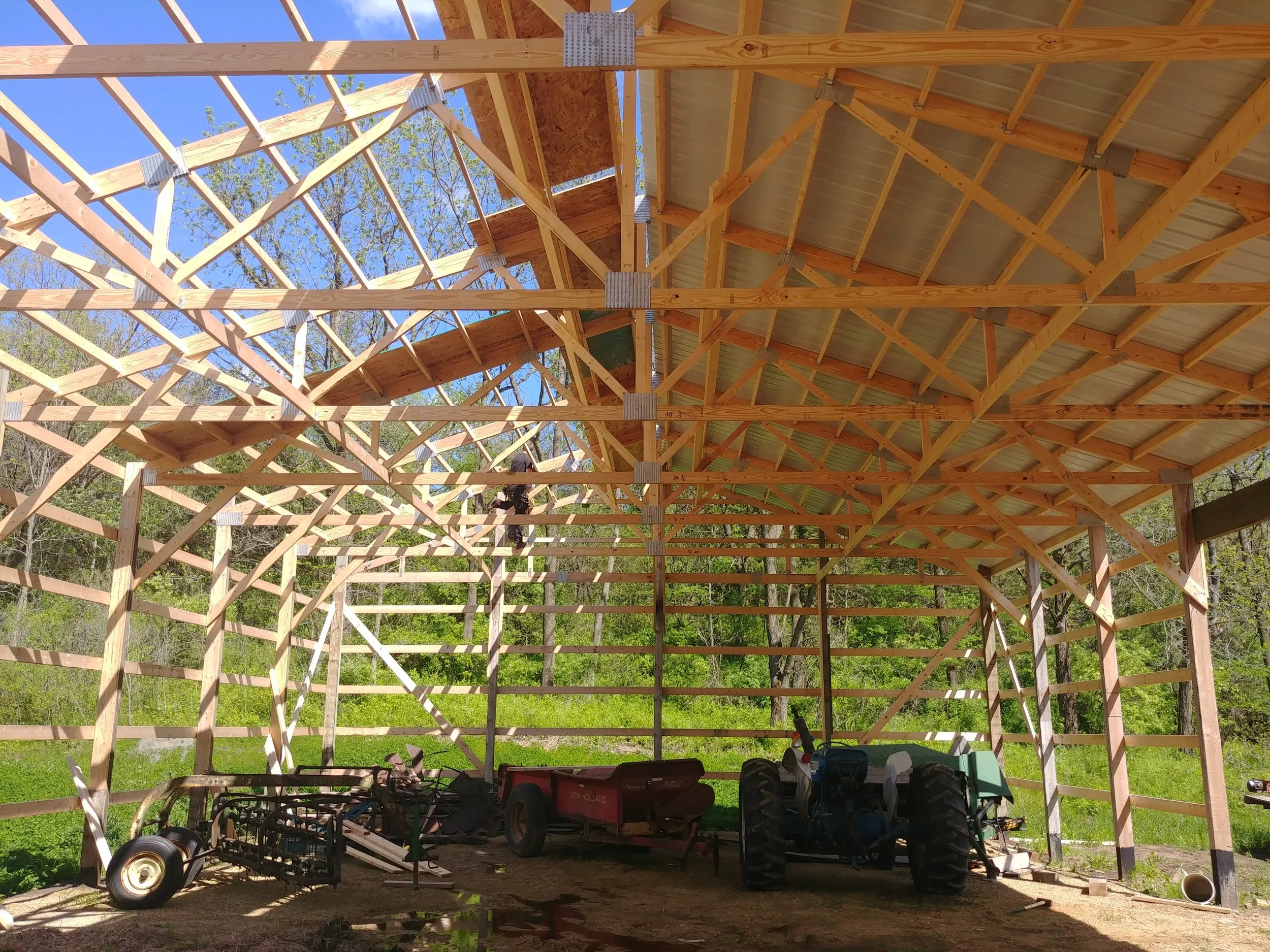
The Hay Barn
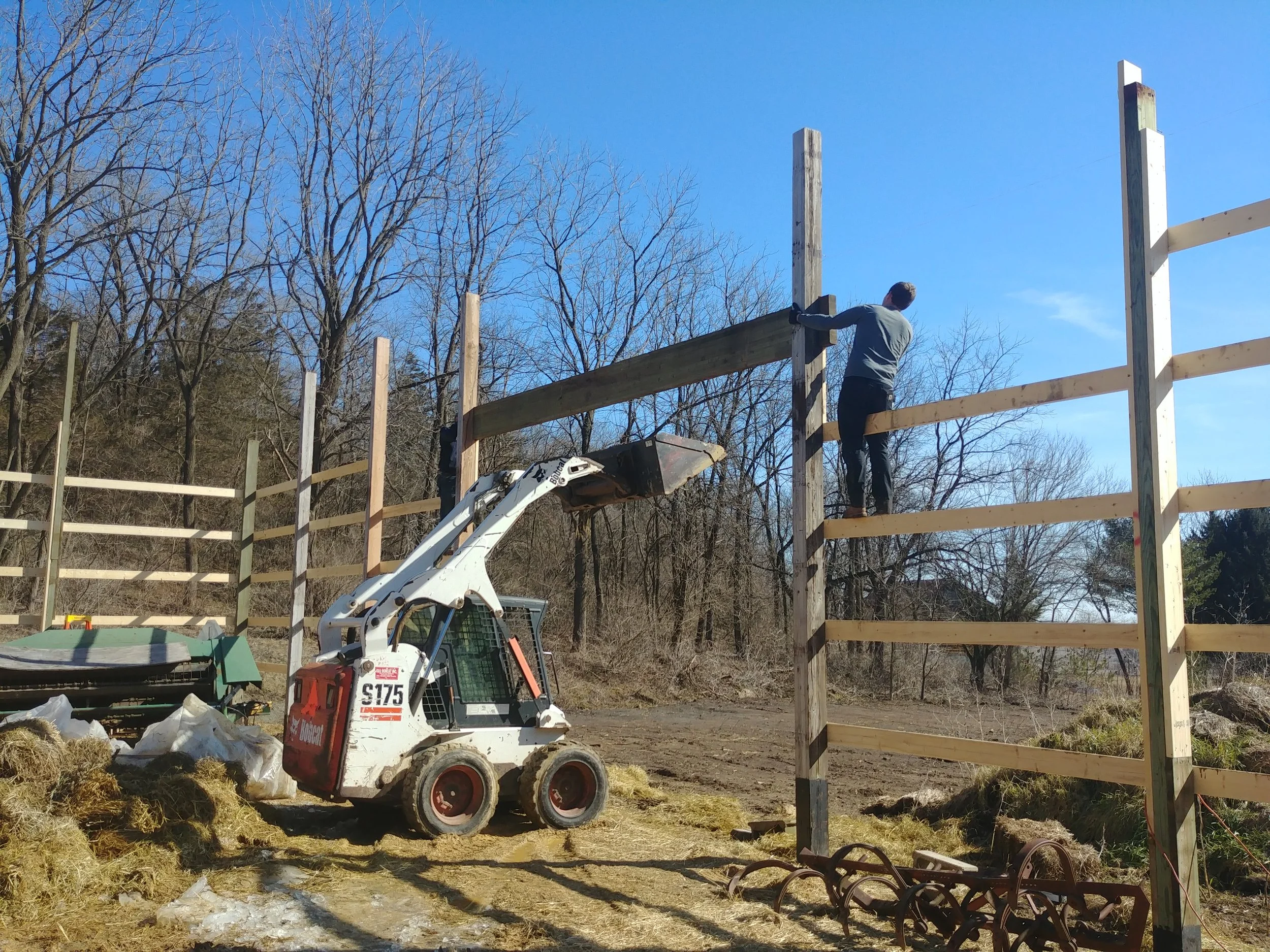
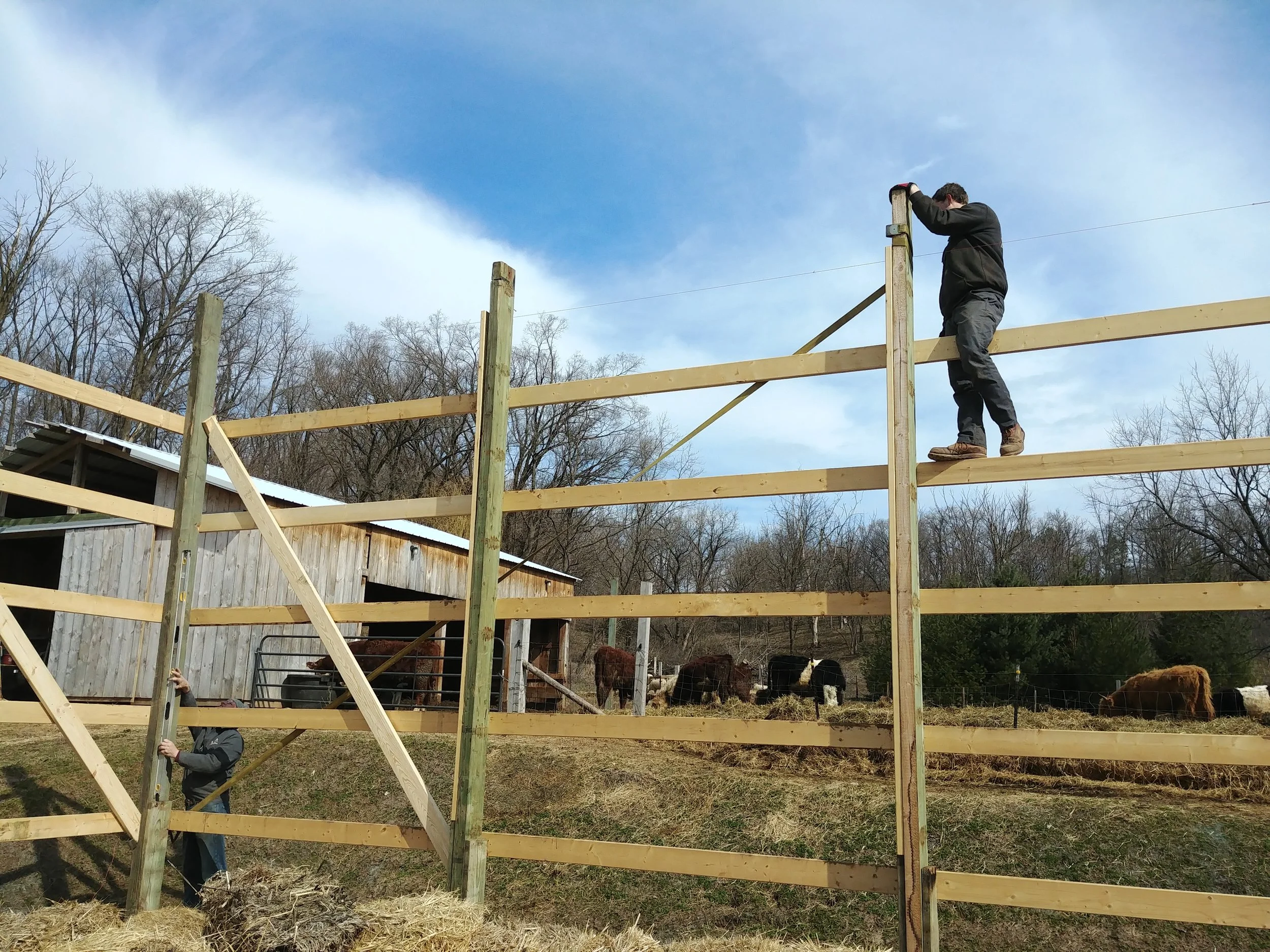
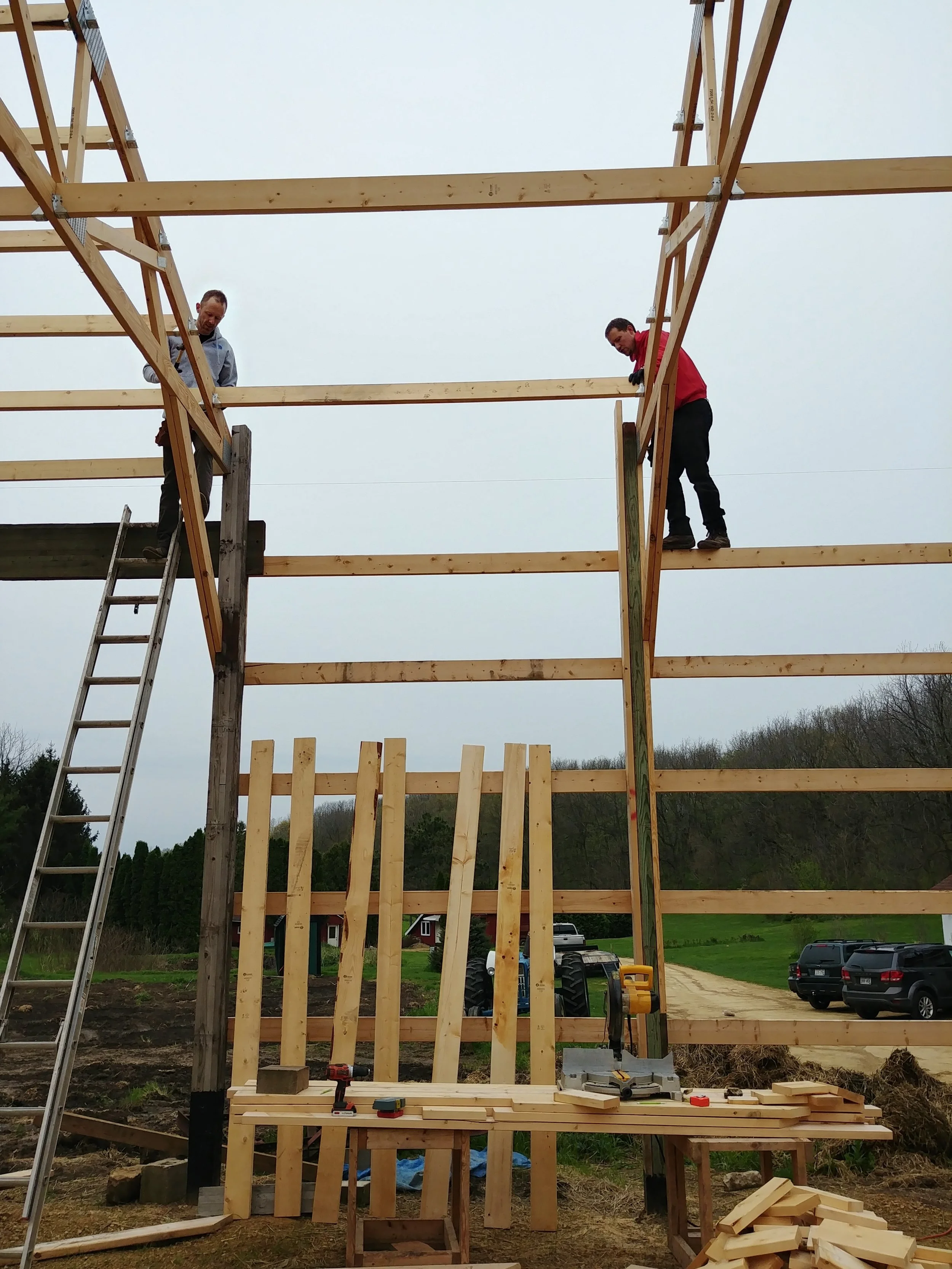
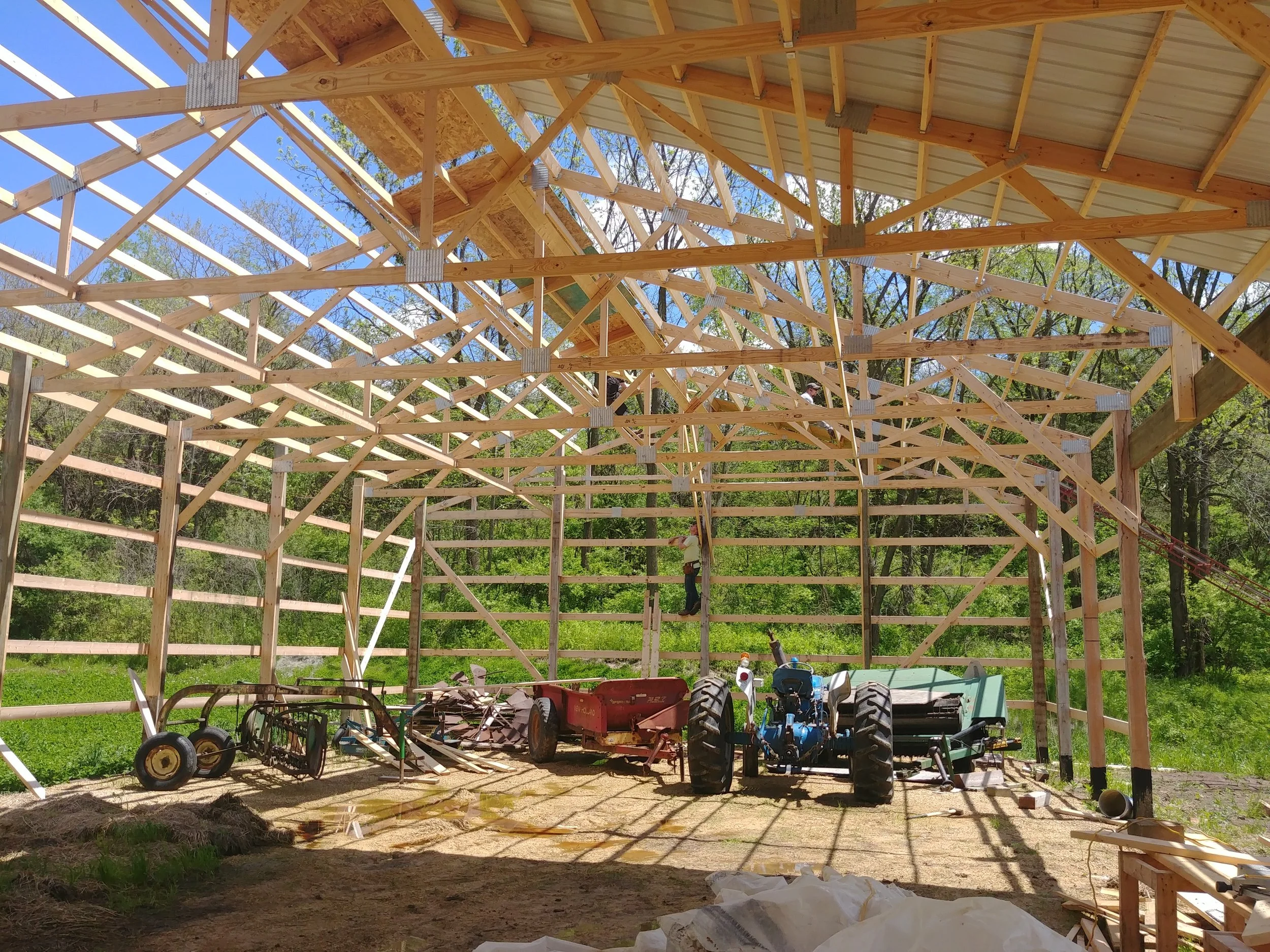
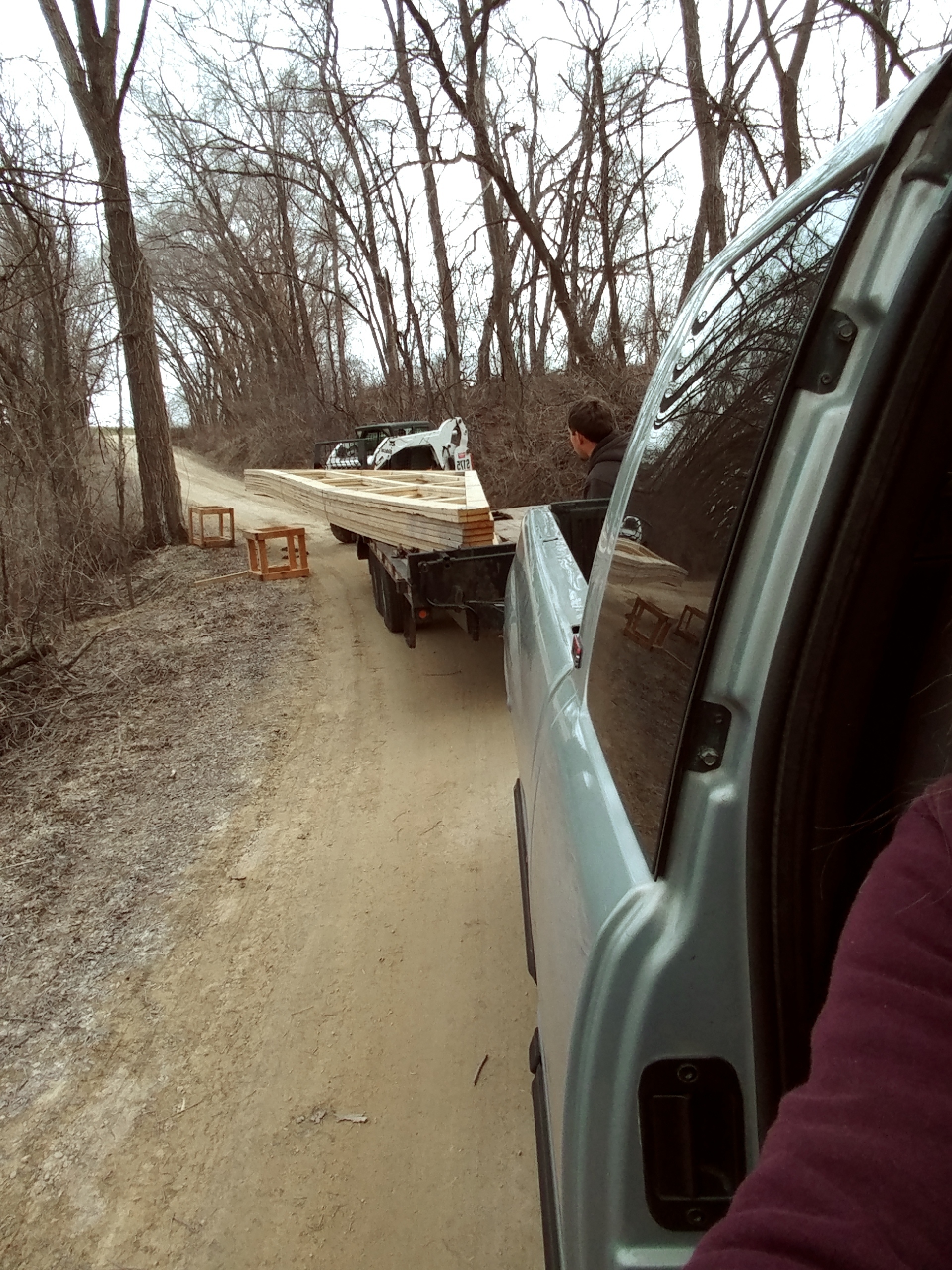
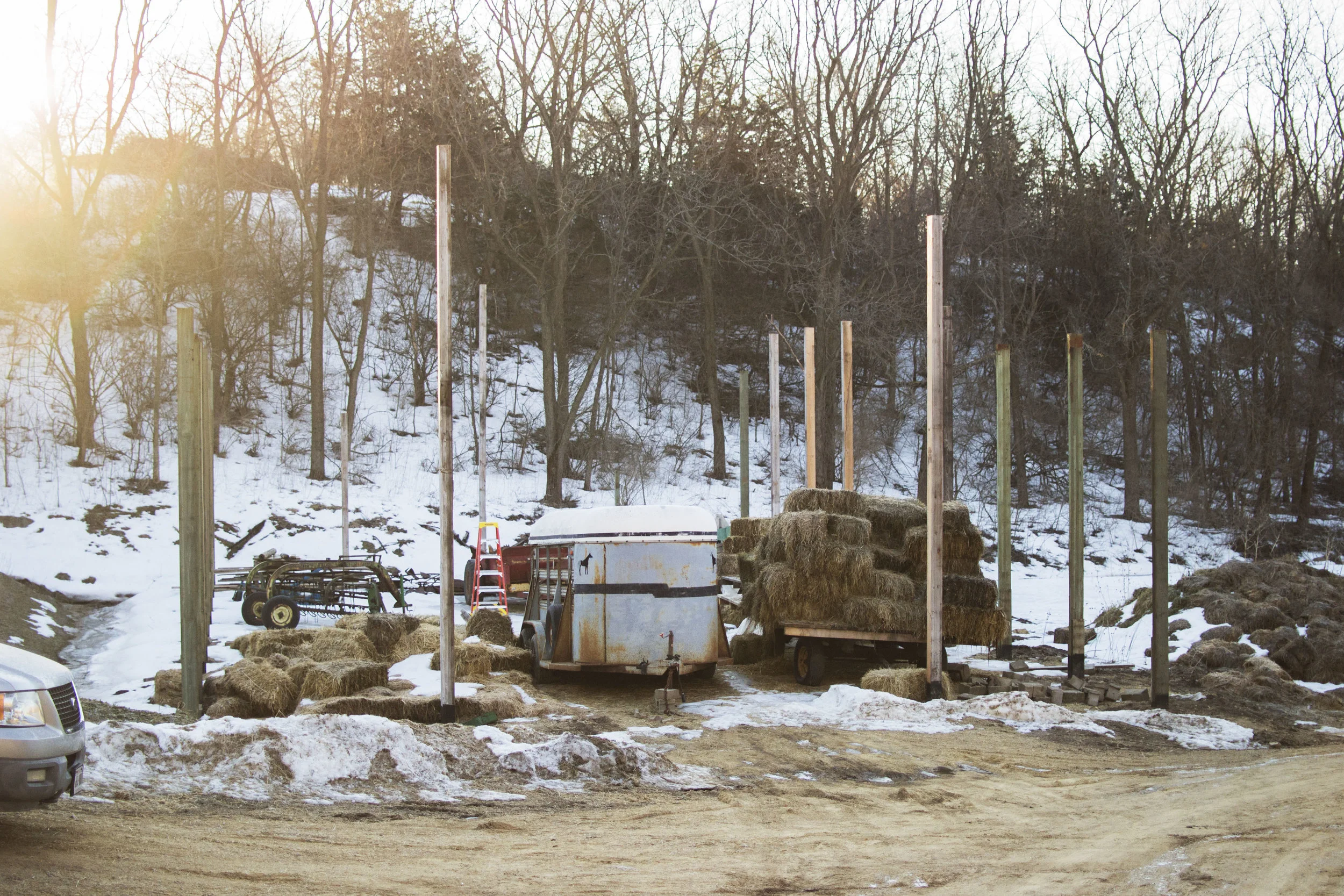
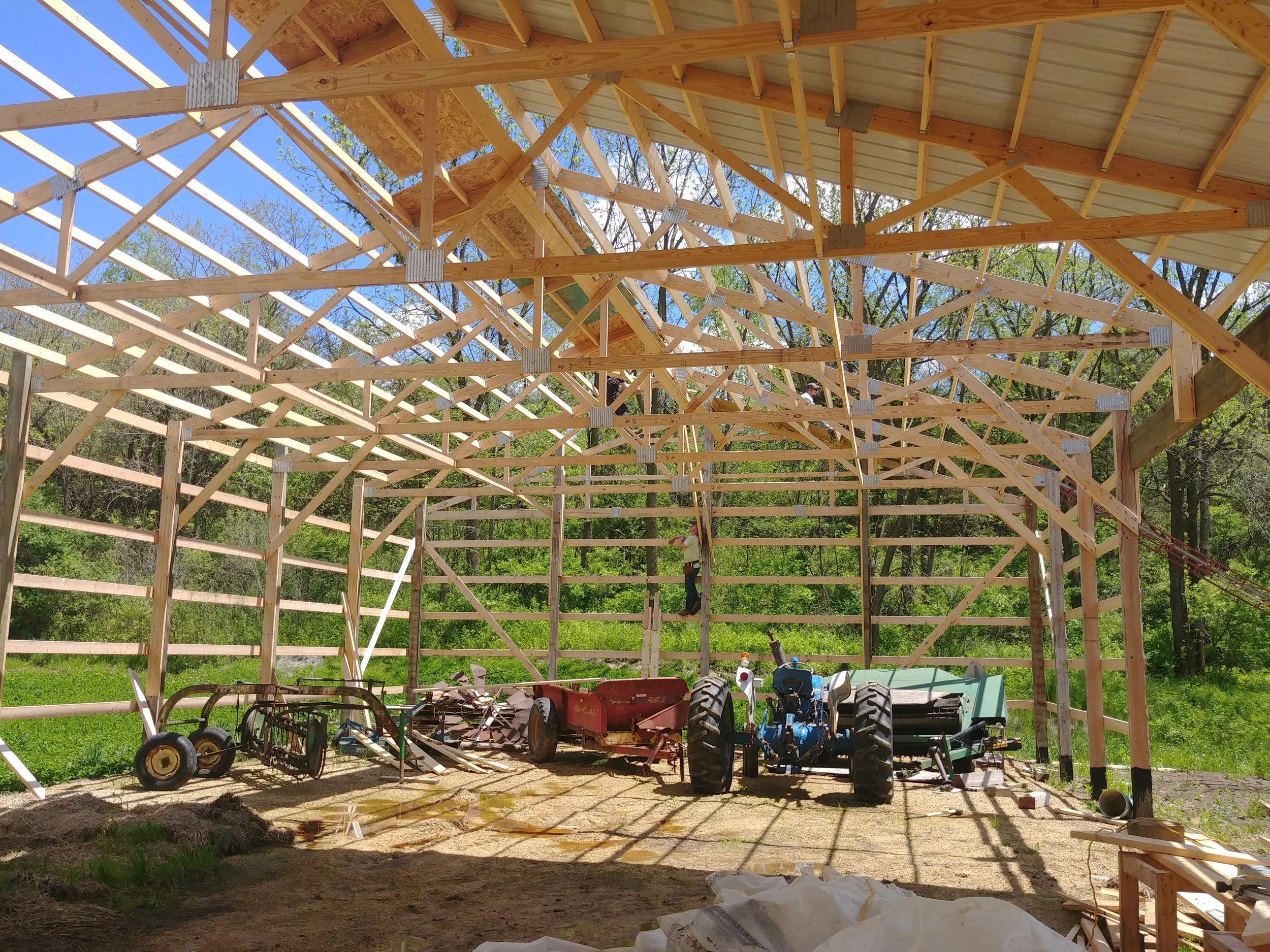
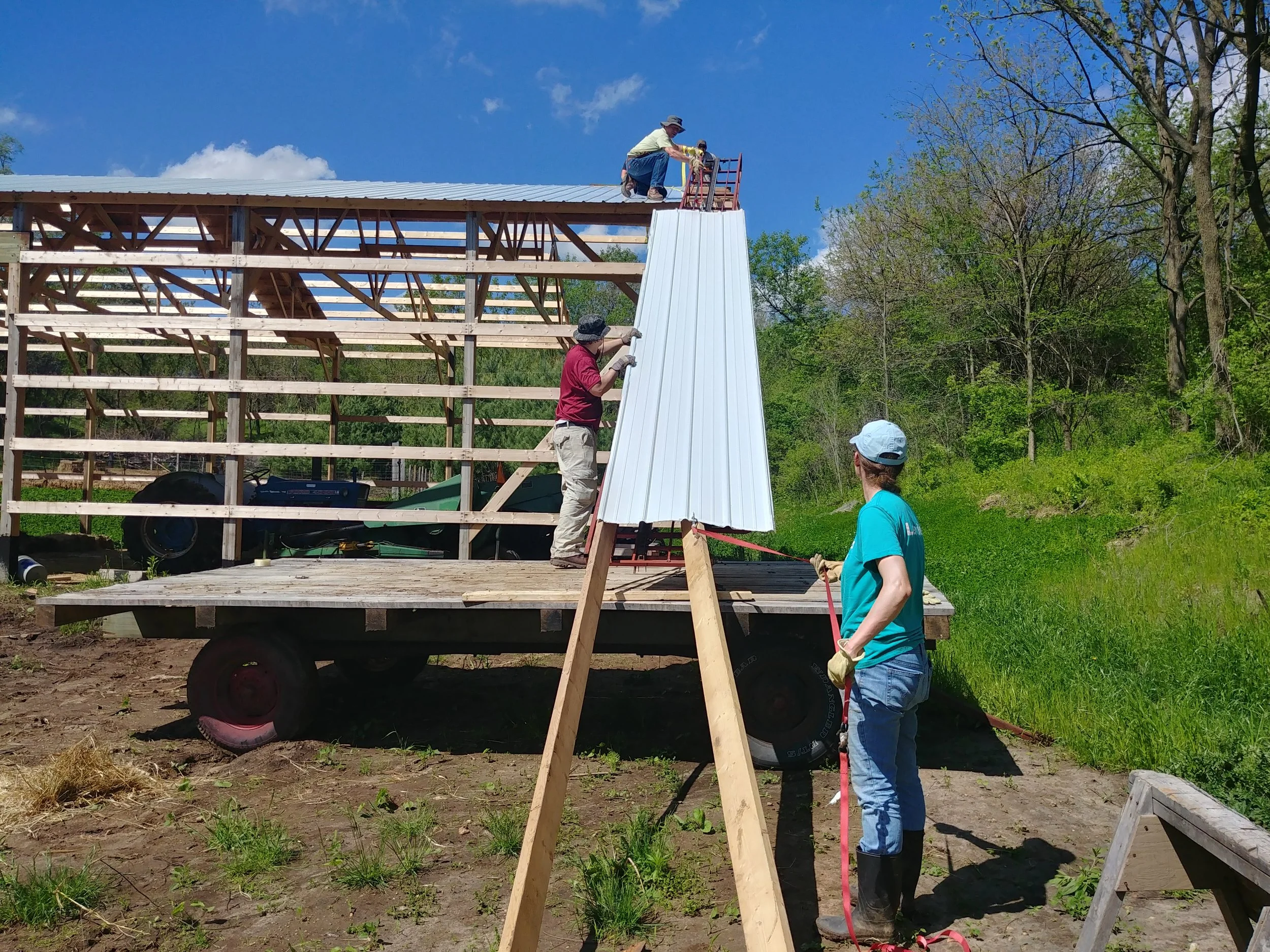
We started constructing our hay barn in March. The roof is on and we’ll be trying to wrap it in siding before the summer ends. Matt is once again milling our siding and he figures it will be about 26 logs to complete the project.

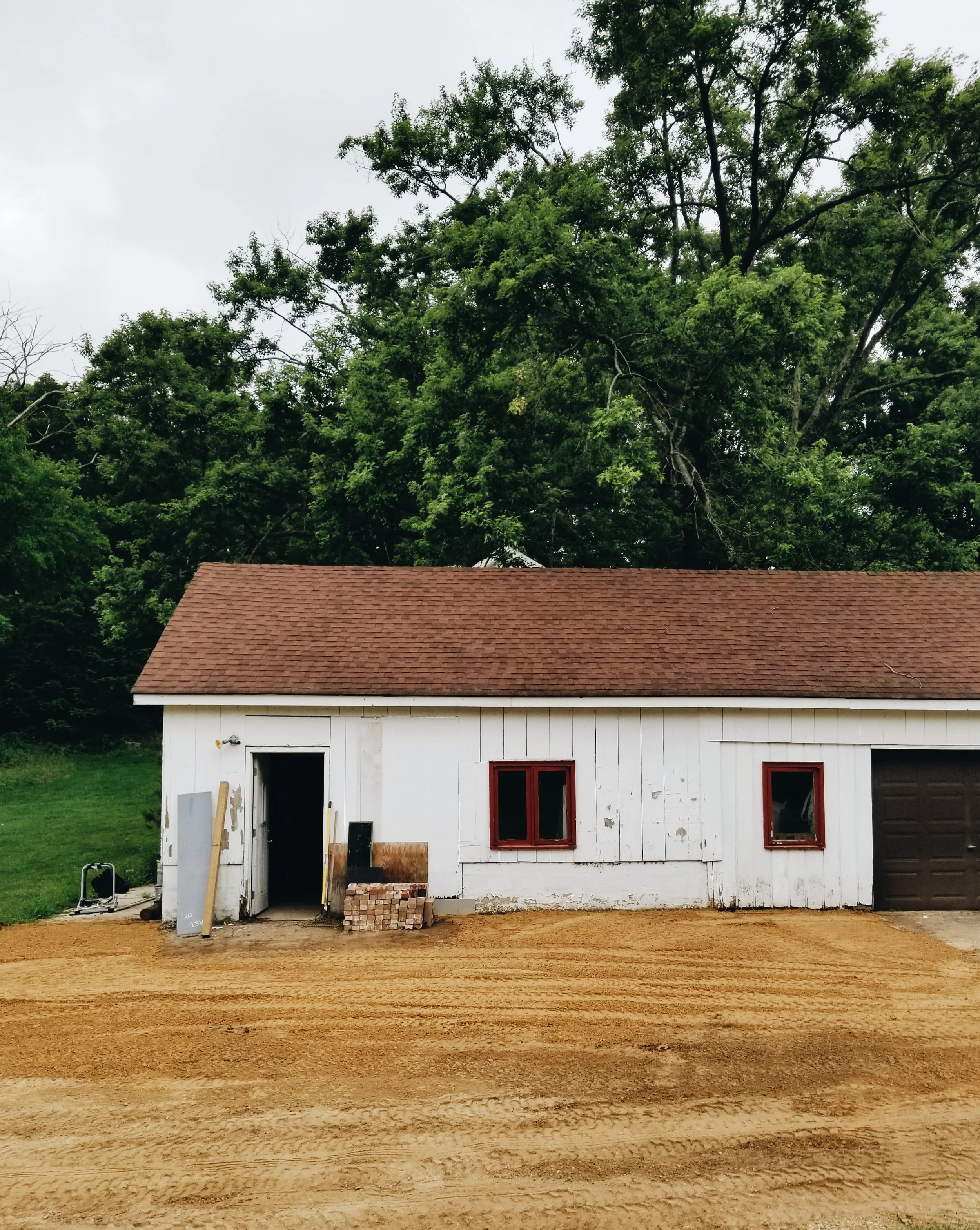
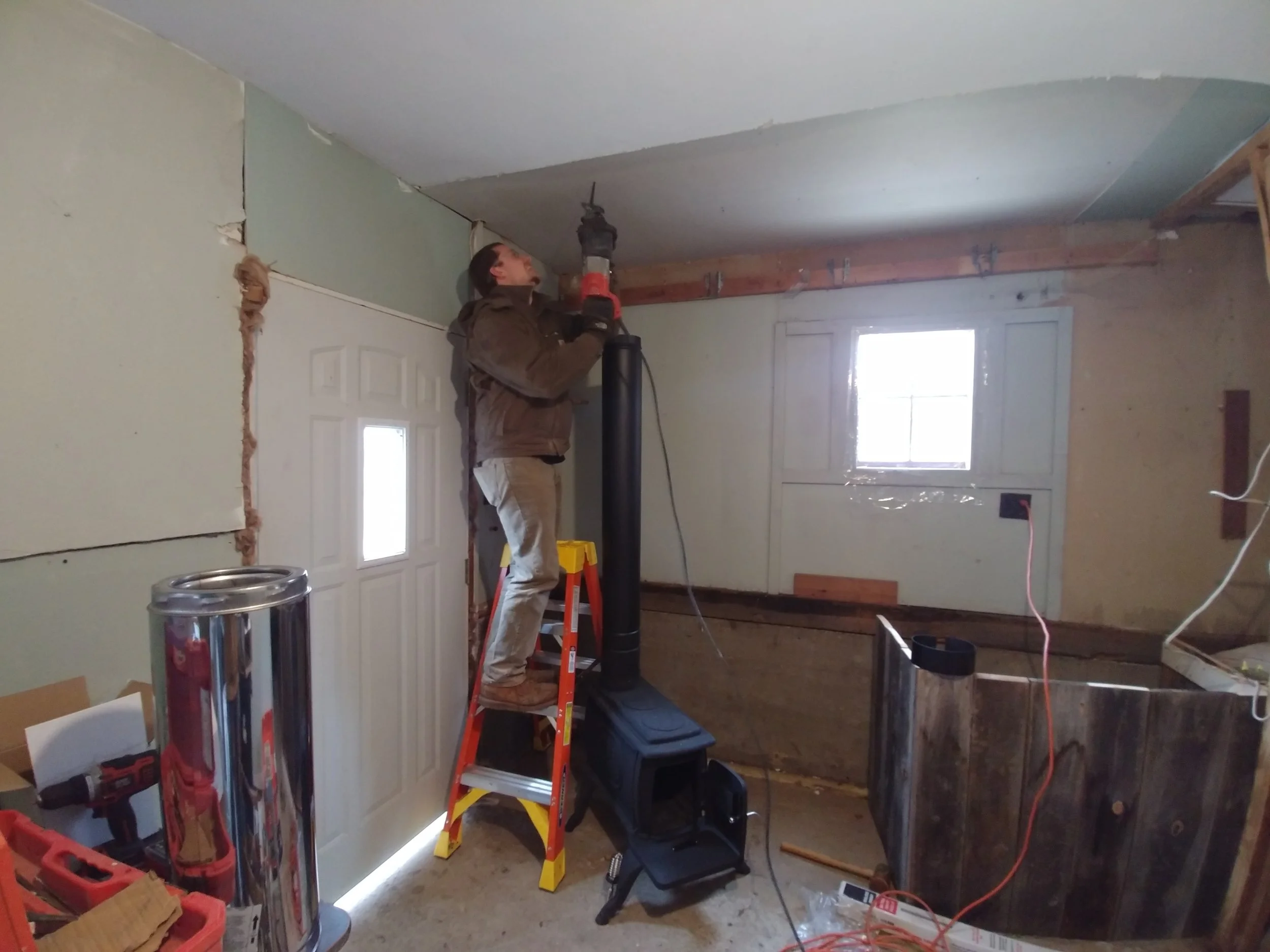
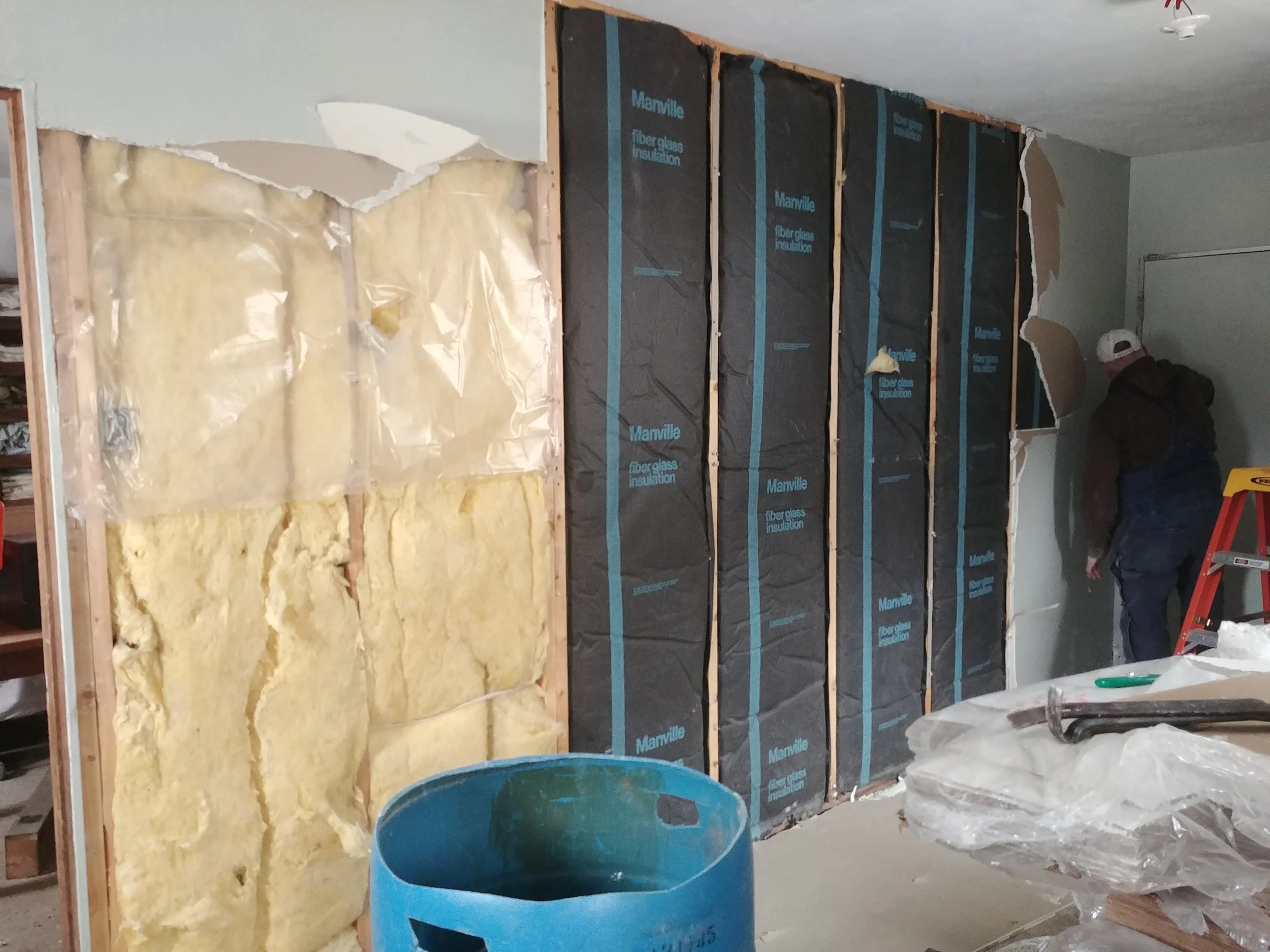
Studio & Farm Store
This has been a ‘I can’t wait when’ kind of project. This spring we decided that with everything else going on we’d hire this project out. It’s come a long way and the drywall is going up this week!
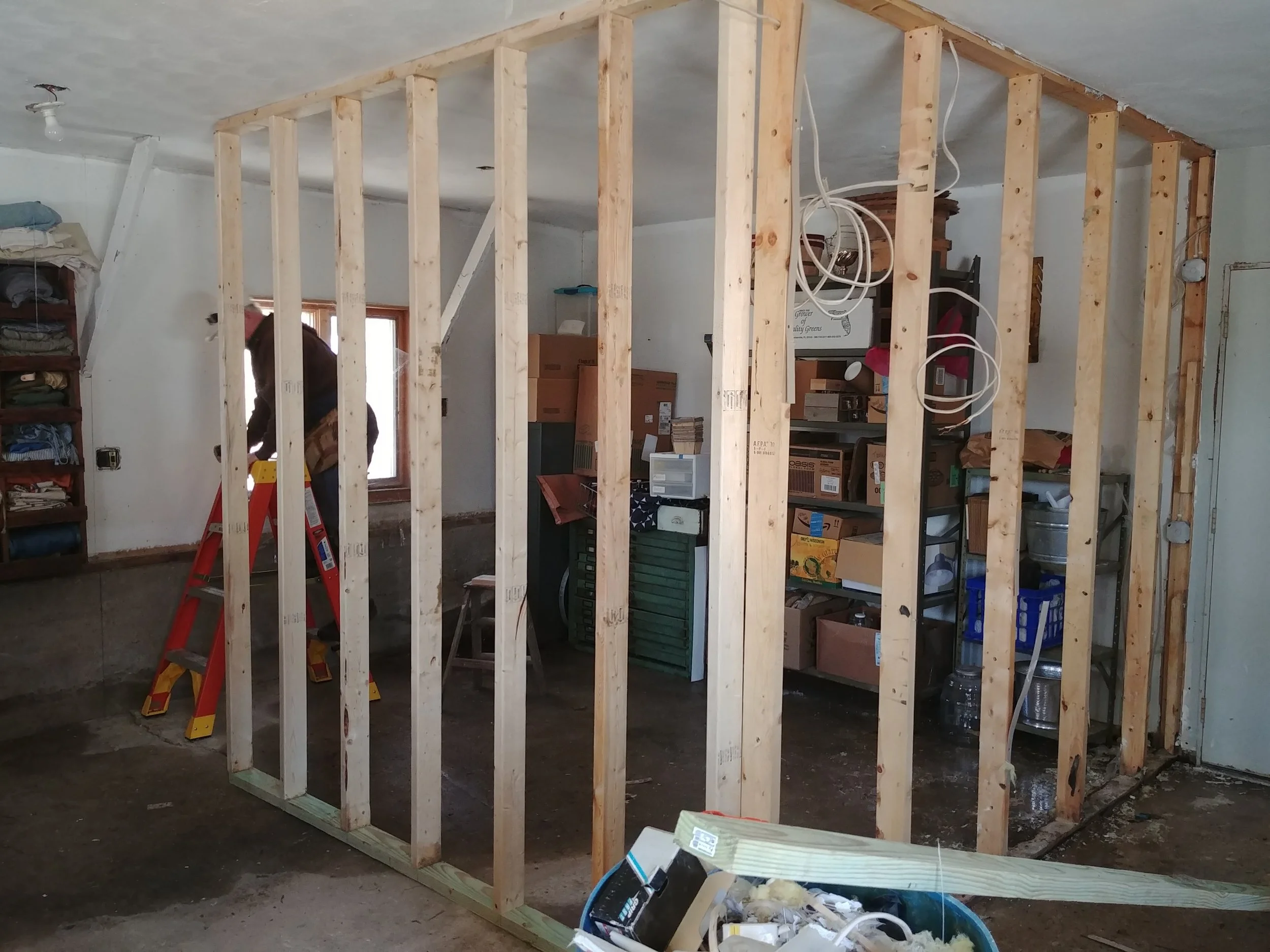
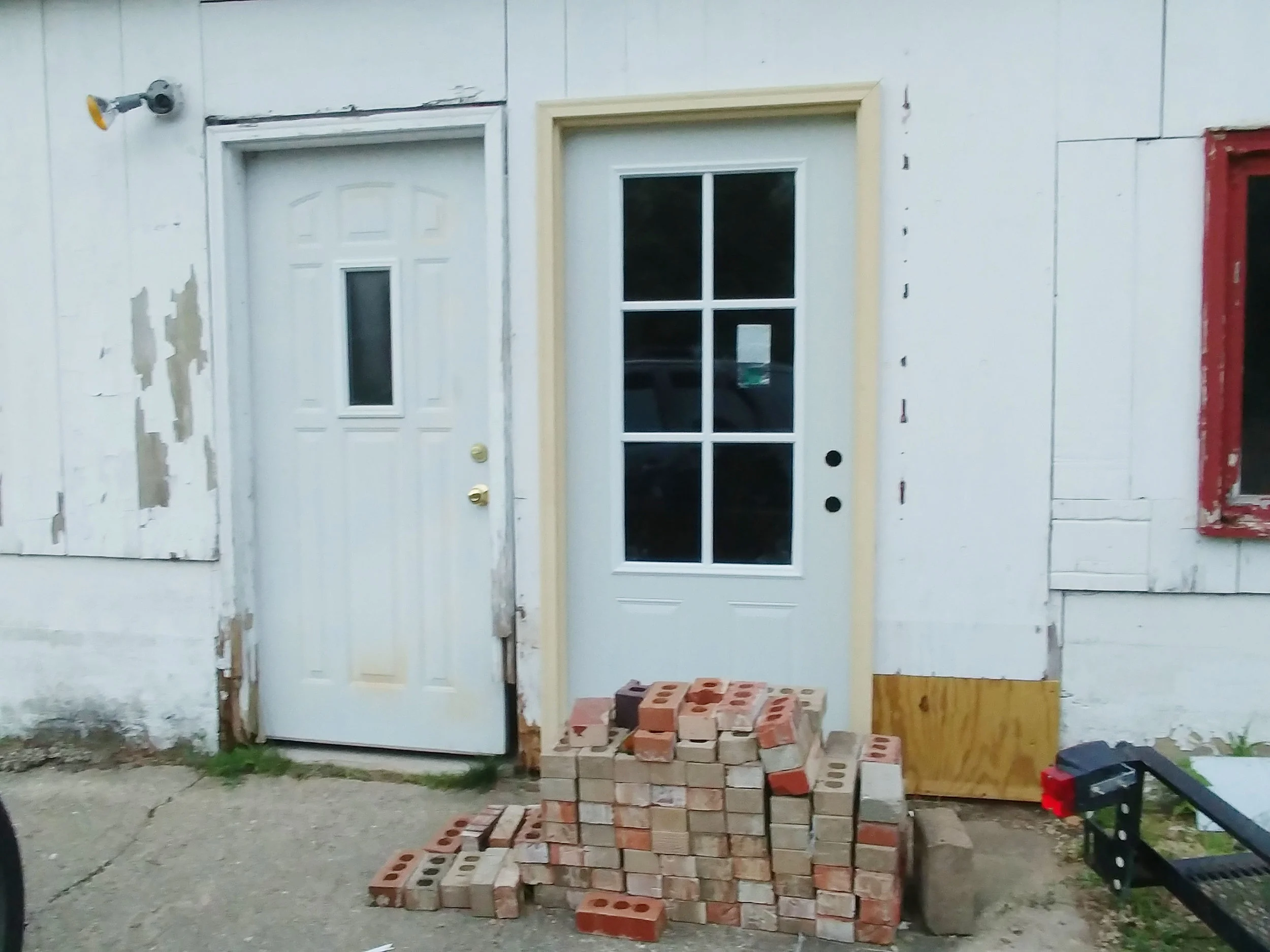
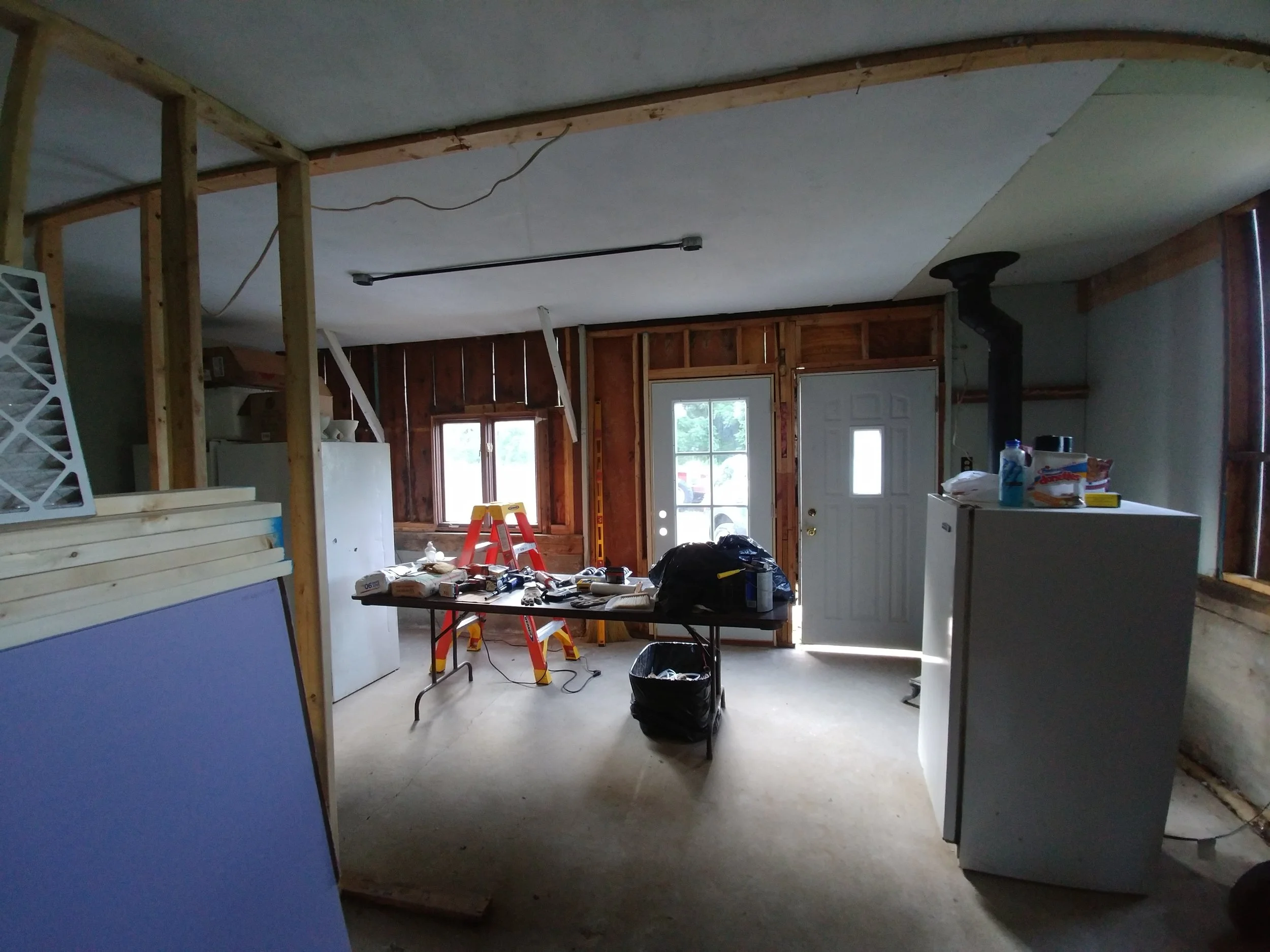
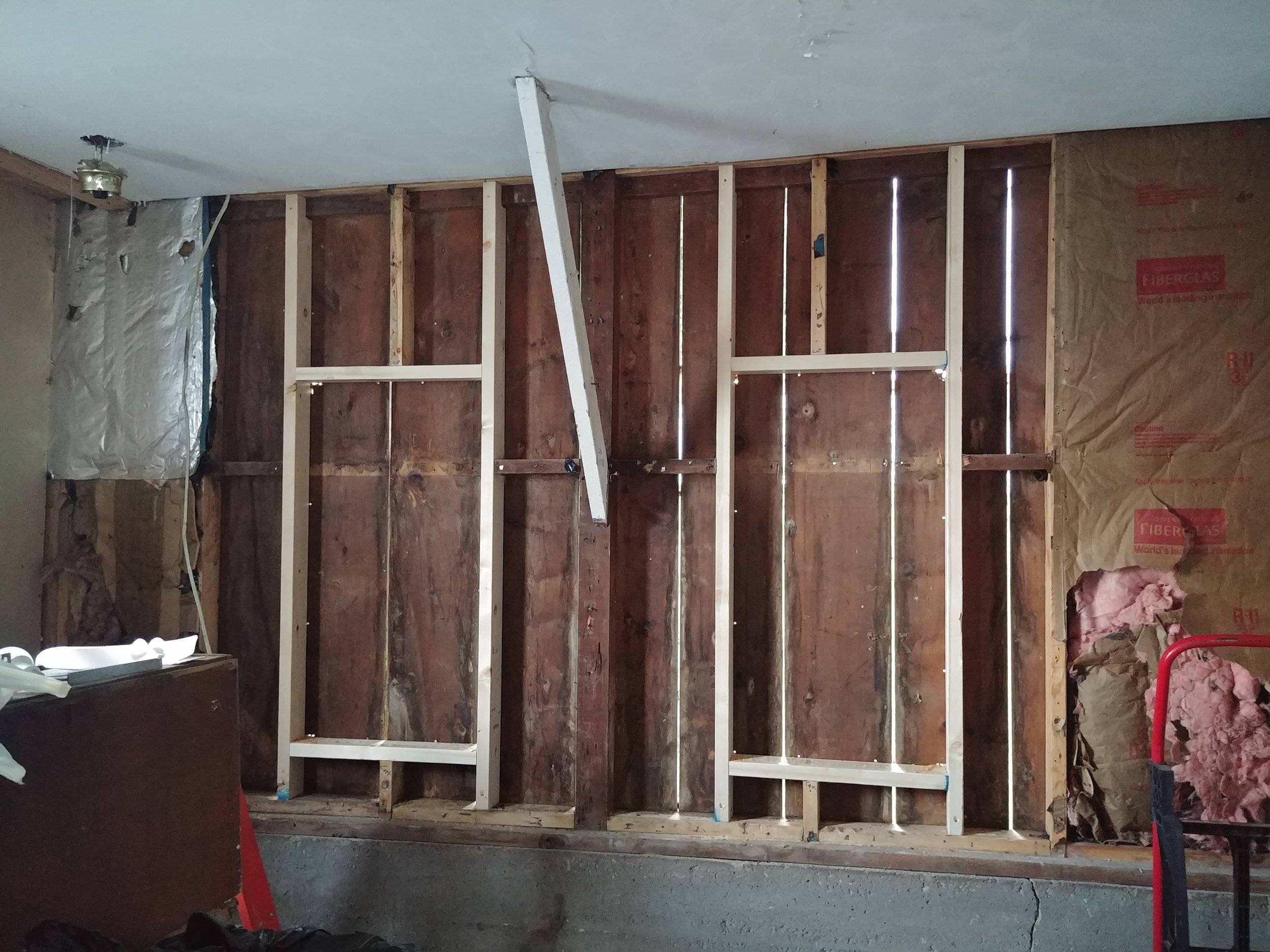
Living Room Floors
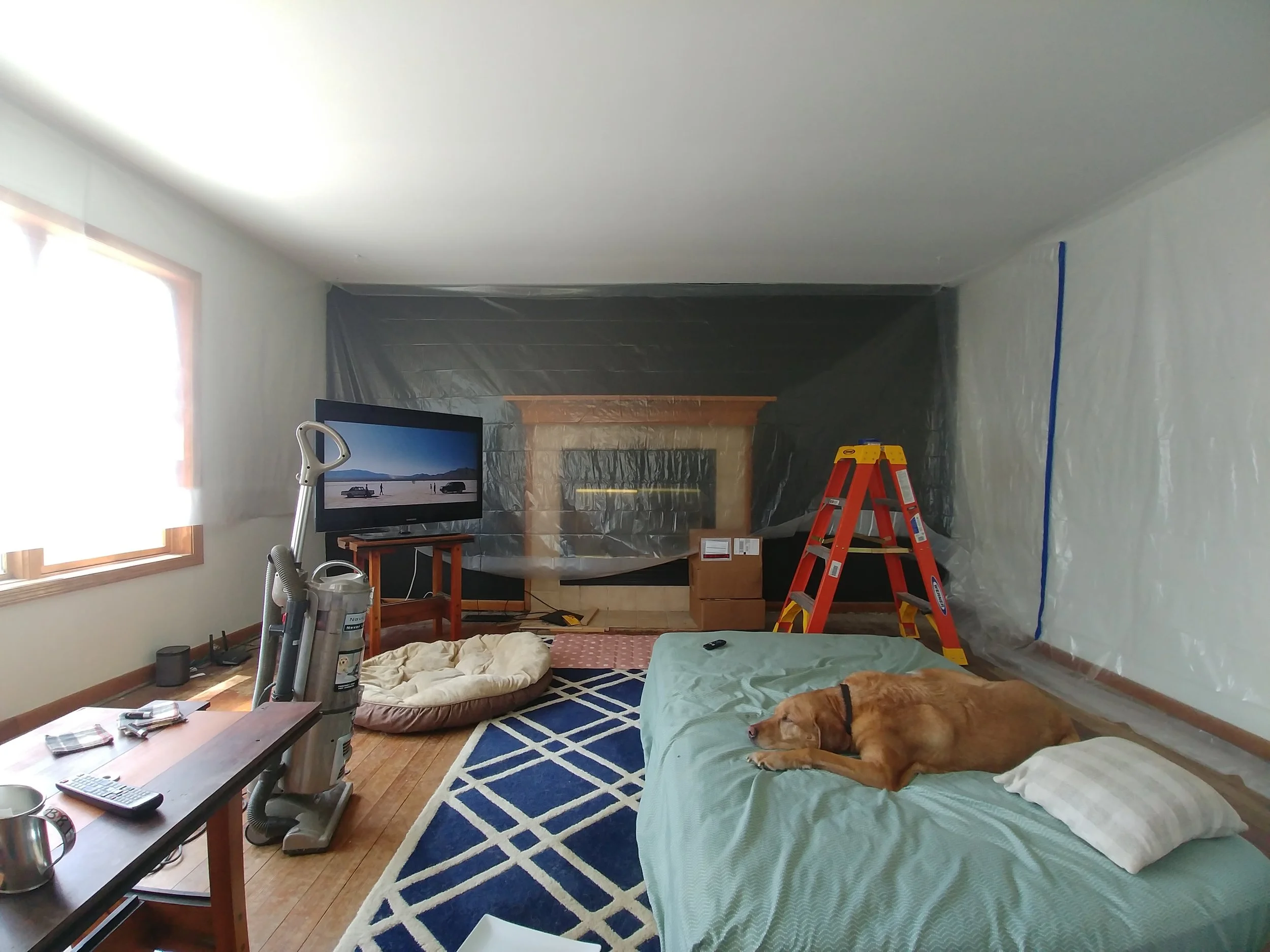
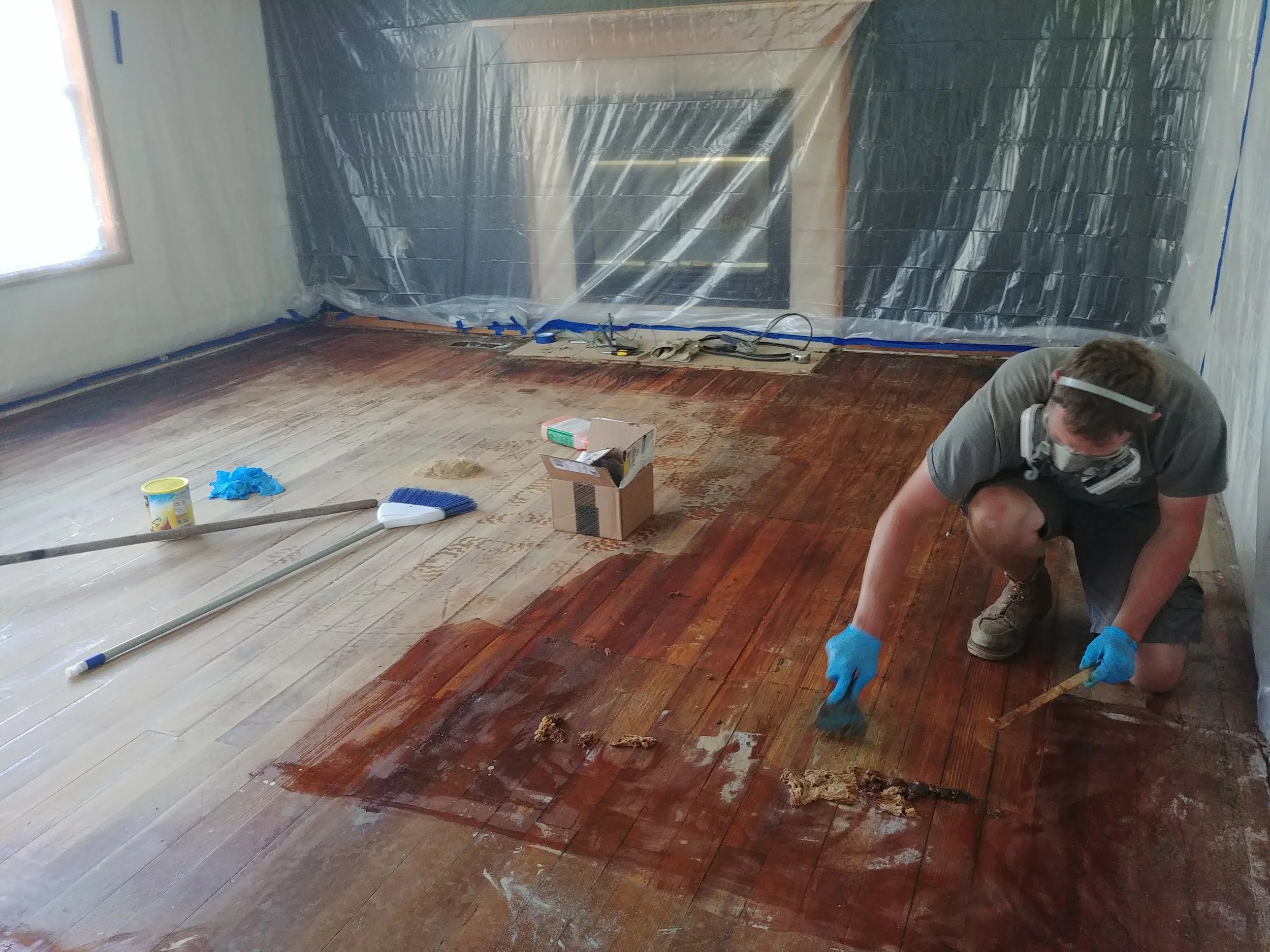
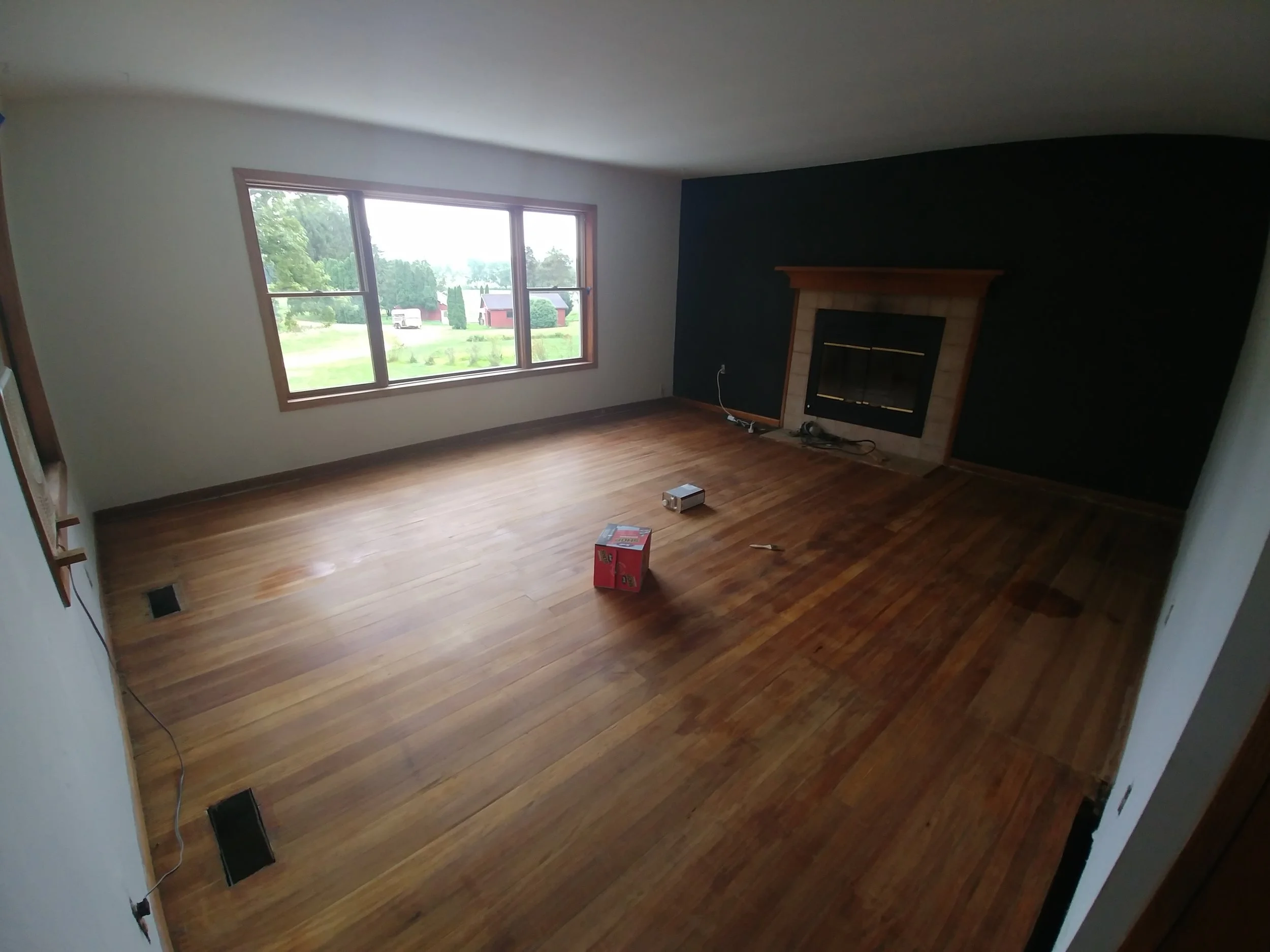
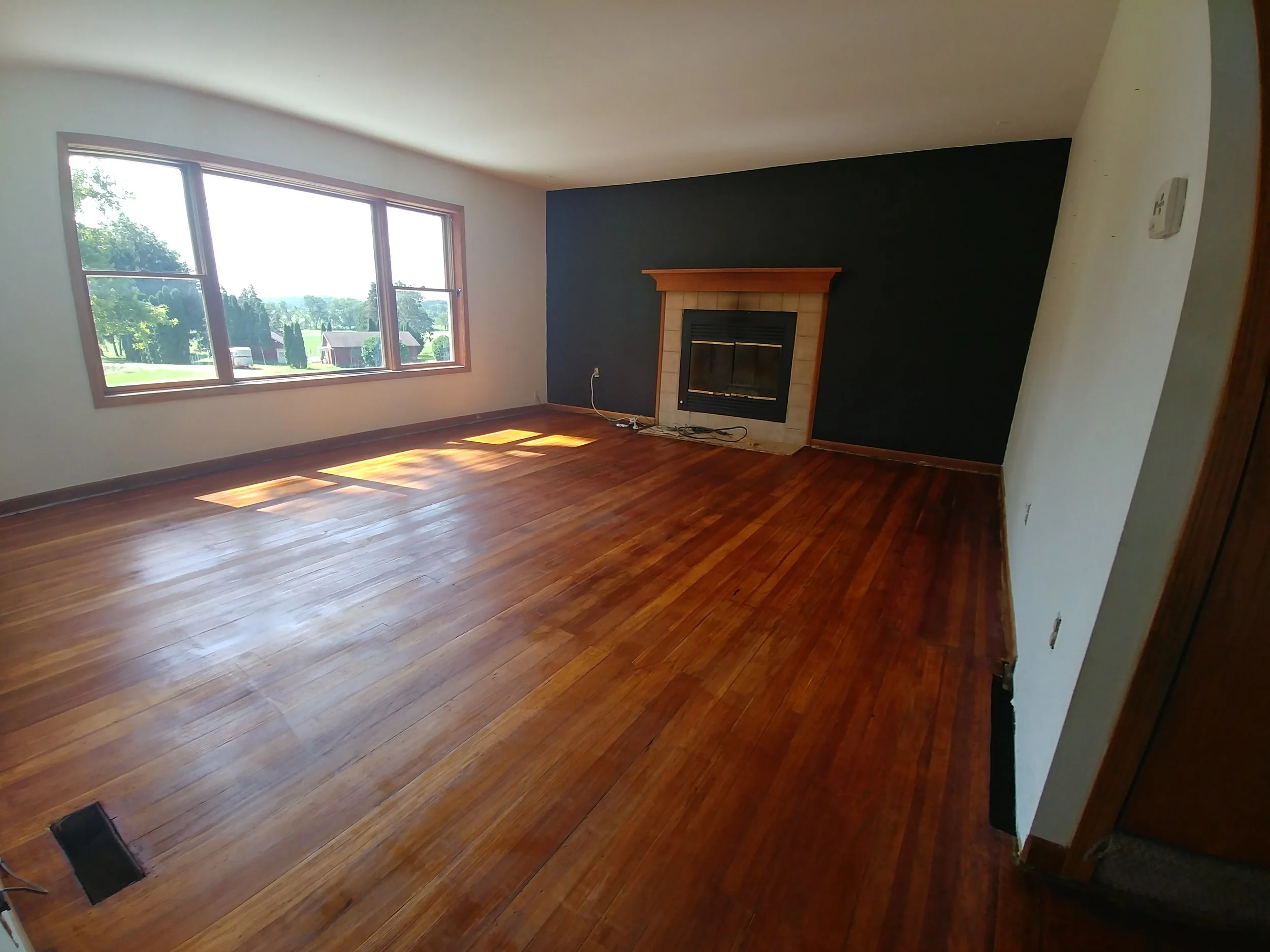
When we pulled the carpet in the living room the day we moved in we found original douglas fir floors. They needed refinishing and we were excited to tackle that ‘small’ project. We decided that before baby we’d get the dusty projects done so these floors were finally on our priority list. It was more than a ‘small project’, more like two weeks of living in our kitchen and front porch, but we’re excited to have yet another home project checked off.
the next year
We’re anticipating things slowing down over the next year. We will have the hay barn to complete but other than that we plan on taking time off to enjoy living here now that the big projects are done!

Farm | What Their Last Day Looks Like
This has always been a hard topic for me, the last day. Even-though I believe that cattle and sheep were created for us to eat, there is something very sad about that lingering date on my calendar, the date a life ends to give us health and well-being.

What their last day looks like
This has always been a hard topic for me, the last day. Even-though I believe that cattle and sheep were created for us to eat, there is something very sad about that lingering date on my calendar, the date a life ends to give us health and well-being. While it’s an extremely graphic topic, I know there are those of you like me that while it hurts to know, we have to know. I think it’s the most important part of being a responsible meat consumer and thank you for caring enough to learn the whole process of what it takes to get your favorite meat on the table.
So, if you’re with me, I’ll wipe away the tears that fall when I write this and share what the last day looks like for our livestock.
it starts like every other day
Thanks to a MSU (mobile slaughter unit) we’re able to harvest our animals here on the farm. Which means that their day starts out just like any other. If they’re on pasture, they’re grazing when the sun comes up and if their harvested during the winter in our dry lot they wake up to bales of hay being thrown in the feeder.
This is what’s so special to me. That their morning doesn’t start off with a trailer backing up, a small holding pen. It doesn’t start with them being forced to load into a trailer and leaving home for an unknown destination.
when the truck pulls in
They get curious. Any visitor to the farm does not go un-noticed. Our butcher, steps out, says hello and gets to work prepping for the harvest. He loads his gun, he starts up the generator to keep his truck cool, he puts on his boots and smock and then he asks ‘who’s going today’. THAT’S the hardest question to answer, not because I don’t know, but because I’m finally acknowledging the end. If it’s a steer I point them out and give him tag numbers so there is no guessing. If it’s lambs I have them corralled in the barn and again give him the tag numbers.
The inspector put’s on her (usually her) or his white gown and boots and is ready when he’s ready.
then it’s time
I whisper a little goodbye as I hand over those tag numbers and I shed a few tears. If it’s a steer (our male cattle) I walk the butcher and the inspector out to the field. Then we pause, because it really makes us all sad. The gun is loaded and then I look away and wait, for that one shot. The shot comes, a single shot that takes the animal down, it’s gone. There is a heavy sigh from all of us and our butcher cuts the throat to let the blood run out.
If it’s a lamb (fully mature) it happens a little differently. They are corralled in the barn. The butcher instead uses high-voltage to kill the animal. The lamb lies down quickly from the voltage, it’s gone. Again, the harvest is never without a sigh and the butcher cuts the throat to let the blood run out.
To be honest, I don’t watch my animals go down, I haven’t mustered the strength to watch. I just wait for that shot and walk them back to the gate, the lambs I watched once to understand the process and now I walk out of the barn.
It’s really, really hard for all of us. BUT, it’s fast and in their home, just like harvesting a deer in the wild and that’s what brings me some comfort.
the processing
After the steer or lamb is gone, it’s brought to the truck via a skid-steer or wheel barrow, and the butcher skins it, guts it and if it’s a steer quarters it all with the inspector there to watch. After the animal is clean he closes the door, takes off his smock, thanks the inspector and waves a tense goodbye.
The final carcass is brought to their processing facility where it is aged, cut and packaged for pickup
it isn’t easy for any of us
I’ve received some very harsh words when I share my heart on this subject. I’ve been called ‘psychotic’, ‘sick’ and I know there are those who will always feel that way. What they don’t know is how much each and every person involved in harvesting our animals DOES care. The butcher, the inspector and the I, the farmer, all want what’s best for these animals. We want it done humanely, without pain and quickly. No suffering is what we all care about. None of us are in this industry because it’s easy and none of us are immune to the sadness. That inspector has to watch hundreds of these a week and that butcher has to perform hundreds a week and they both admit it has a high emotional toll. As the farmer it’s hard to pick a date where you’ll be forced to say goodbye to something you’ve cared for for so long, something you’ve watched born and bottle fed as it’s mama.
We do it because we believe these animals deserve the best and you deserve meat that was actually cared for, meat that came with tears. So, never believe that the last day was met without a trio of heavy hearts. It isn’t easy and none of us feel to should EVER be easy.
Thanks for reading, for wanting to learn and for supporting those who care.

Floral | A Bishop's Bay Country Club Wedding
Morgan and Jake’s day was positively spectacular. Morgan’s eye for the details made their special day come together in a breathtaking display of love and beauty.
A Bishop’s Bay Country Club Wedding
Morgan and Jake’s day was positively spectacular. Morgan’s eye for the details made their special day come together in a breathtaking display of love and beauty.
Photography by Santiago Murillo Photography





Floral | A June Wedding at The Lagaret, Stoughton Wisconsin
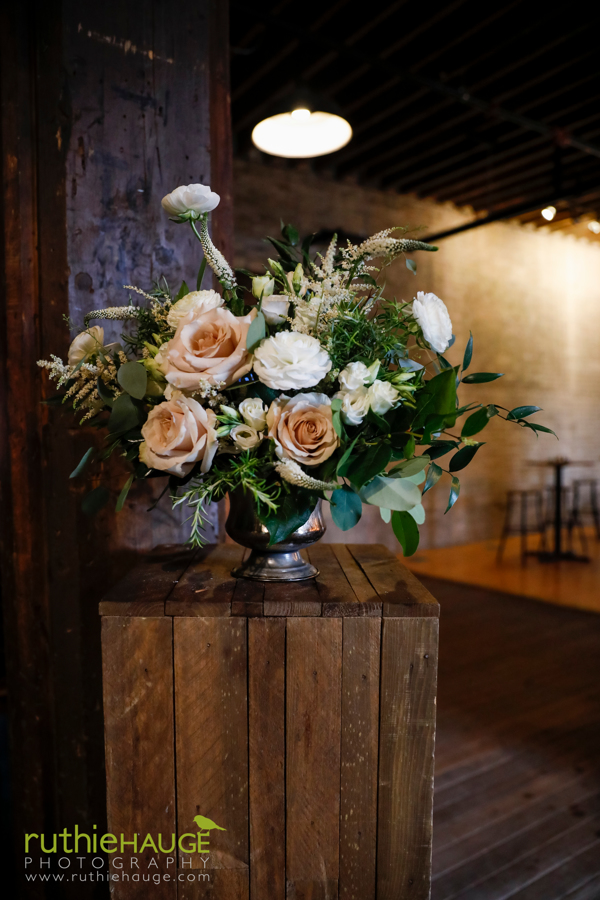
Mike and Kristen’s wedding day was nothing short of stunning. With personal details throughout their special day, a host of incredible vendors including Ruthie Hauge Photography and KIS Event Planning their wedding day came together so perfectly.
A June Wedding at The Lageret
Mike and Kristen’s wedding day was nothing short of stunning. With personal details throughout their special day, a host of incredible vendors including Ruthie Hauge Photography and KIS Event Planning their wedding day came together so perfectly.
Using heavy greenery and white and blush blooms to compliment their sophisticated yet youthful vibes, I created some of my favorite floral arrangements to date.
It was such an honor creating the wedding flowers for these two and cheers to all the years to come Kristen and Mike!




Farm | Scaling Your Farm to Fit You
Scaling your farm is going to look different for you than it does for me and other farmers. Each farmer and farm is going to answer the scale question differently and that is what is beautiful about this subject.
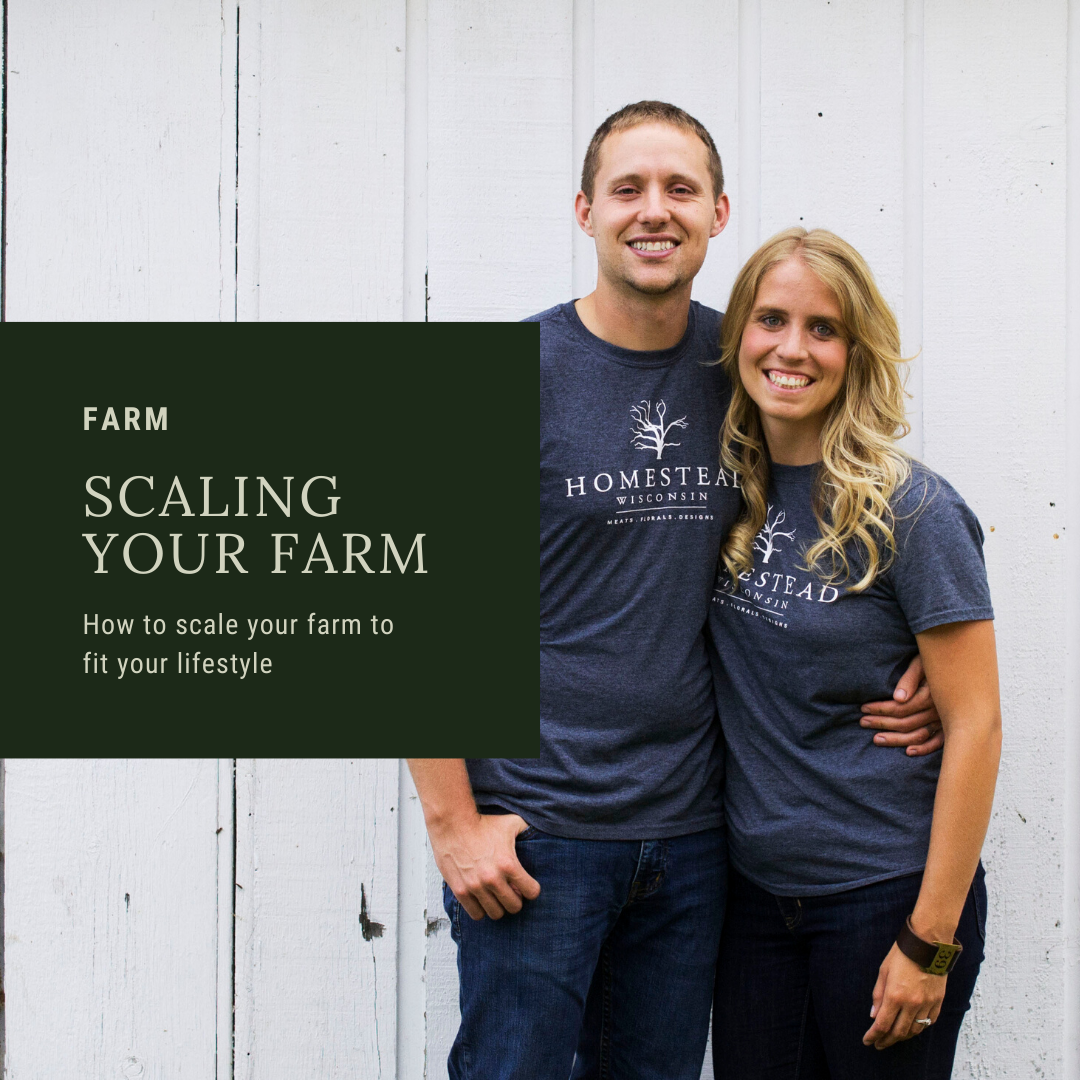
Scaling your farm to fit You
Scaling your farm is going to look different for you than it does for me and other farmers. Each farmer and farm is going to answer the scale question differently and that is what is beautiful about this subject. Scaling your farm is going to be specific to YOU. You have to scale your farm to fit you, your goals and your desired lifestyle. It may mean a large operation or it may mean something small.
While it might be nice to know the answer to the scale question before you start, I’ve found that this question continues to develop and change for me.
So what things should you think when it comes to defining your scale?
how many people are involved
Is it a family operation, or are you just a girl with a love for livestock like I was?
When we first set out to farm it was going to be myself and my husband, Matt. However, Mattquickly realized that livestock were not his passion and that our ‘farm gig’ would fall mostly on me. So, I’ve had to look at what type of operation I can reasonably manage. Now, Matt does help me with things like building infrastructure and putting up endless bales of hay, but again, this was something we had to consider in our scale. Matt’s off-farm job keeps him very busy, and while he has flexibility he isn’t able to help on a daily basis, and honestly neither of us want him to.
You might come from a farming family with the same love for the lifestyle as you, or you may be on your own. But how much can you realistically run in either situation?
Do you want to hire
This could be actual employees or it might mean contracted work.
I’ve written off employees in my operation for a lot of reasons (again I never like to say never, but for now I’m not considering this), though I’ve contracted other farmers to help with with tasks like baling hay and projects where I need special equipment. Hiring and managing employees is too much office work for my desired lifestyle. I want to be hands-on with the operation, not sitting behind a desk paying Federal and State taxes, completing payroll and figuring out employee benefits. So, contracted labor has worked better for me.
what systems can you put in place to make scaling easier
Every year I take a look at my growth chart and set new goals and projections. Things have changed a heck of a lot in four years and with the change I’ve had to improve my systems to give myself room to grow. The biggest change was mental for me. I grew up very ‘dutch’ which has been a huge blessing, but it can also be a hindrance to scaling. I’ve had to re-evaluate what ‘the cost of things’ and ‘the cost of my time’ means in the scheme of the bottom line. In order to scale to my idea of a ‘profitable’ farm I had to put value on my time in order to place those orders on things that reduce my workload.
For example…
When I started grazing spending $85 on a grazing reel seemed like a waste of money and I would hand wrap my twine to move cattle. It was incredibly inefficient and I spent WAY too much time moving cattle to new pastures. Now I have 3 reels that allow me to quickly move cattle from one paddock to the next.
I kept track of receipts and expenses in Google spreadsheets because it was free, now I pay to use Quickbooks because it saves me LOADS of time at tax time and on a daily basis. It helps me keep track of customer payments so I no longer have to manually remember to ask for payment etc. Paying sales tax, federal and state deposits, and running Profit & Loss and Balance Sheet reports are now available at a click of a button. That $275 investment has saved me thousands of dollars in time over that initial cost.
I used to weigh each cut as it came back from the butcher because getting weights cost me something (an we’re talking pennies here); now I have it labeled with weights to save me time during inventory and packaging.
I used to send invoices to customers after weighing their meat to make sure I got every dime owed to me, now I sell it all online based on weight averages so I don’t have to spend the time to manually bill anyone.
I bought hundreds of temporary fence posts so that I can set up my rotations once, and the rest of the summer I only have to run wire. Instead of 4 trips across the field per day, just to move cattle, I’m down to two. Multiply that savings per grazing season (with a daily move) and I’m saving 30+ hours a season in cattle moves.
These are just a few examples, but these little changes were necessary in order for me to grow. Your system design might look radically different than mine and that’s great. Again, you have to put systems in place that help YOU scale.
What is your idea of profitable
If you want to bring home ‘loads of bacon’ you might need to scale big or find a niche market. If you want to add a little side income then a small operation might work for you.
I was after a viable income, a big enough income to make farming a good portion of my working hours. However, I’ve diversified my business with non-farm offerings to get to what I felt was a profitable career. Success and ‘profitable’ look different for each person, Matt and I don’t always agree on what these numbers actually are, so you’re going to need to decide for yourself. I chose to diversify outside of the farm because I didn’t want to farm full-time. I wanted to pursue other passions along-side farming so that’s what I’ve done and it’s what works for ME, things may look different for YOU.
Do you have access to land
This might be a huge limiting factor when it comes to scaling your farm. Whether you buy or rent land, accessing good land for your operation could be a huge obstacle.
Originally my husband and I were looking at 10 acre farms. However, it became quickly apparent that 10 acres was not going to allow me to scale to my desired income. I can’t say we got anything but lucky in being able to get our 55 acre farm, because we definitely had everything fall into place. I’m also blessed that we have an additional 20 acres in my family should I ever want to go bigger. Land can be a huge hurdle, and you’re not alone in that struggle.
What’s your end goal
Do you want to work 365 days a year, do you want to have winters off and raise quick to slaughter livestock or do you have the means to hire? Do you want to make a full income on the farm, or do you enjoy farming as a side-hustle?
Defining your end goal will help you scale to what works for you, your goals and your lifestyle.
I hope you find your perfect scale
I really hope this gives you a little bit of help when it comes to defining your scale. You may not always answer these questions the same, life changes and your ideas might too. If you’re anything like me you might have to ask the ‘scale’ question on a yearly basis, but I hope whatever you decide you find a way to make it happen.
pin it!


Farm | Renovating Sheep Pastures
How we’re renovating our sheep pastures - from overgrown to lush and nutritious
Renovating Our Sheep Pastures
This is a lengthy post… about nerdy stuff like grass and soil. I love documenting and this post is certainly a compilation of lots of documentation. So, if you like soil, grass and learning about how other farmer’s make decisions, this post might just be your cup of tea.
what we started with
Our sheep pasture consists of seven acres, three of which are significantly sloped and heavily wooded. Two acres was an existing alfalfa and orchardgrass field with two acres that is mostly brome grass.
using web soil survey
I looked at what we have for soil and slopes in our pasture. You can find your soil map HERE
72% of our pasture is | Newglarus-Dunbarton silt loams, 12 to 20 percent slopes, moderately eroded
17% of our pasture is | Elkmound-Northfield complex, 30 to 60 percent slopes, very rocky
11% of our pasture is | Eleva sandy loam, 12 to 20 percent slopes, eroded
What we did in 2018
In spring 2018 we cleared about 2 acres of brush which included prickly ash, grey dogwood, sumac, plum, boxelder and mulberry. I over-seeded the ‘thicket’ areas with a mix of grasses and legumes, of which 30% was legume. Over the summer months I focused on keeping the woody species from coming back in, using mowing and herbicides. In the fall I heavily grazed a 1/2 acre area of brome grass and over-seeded with the following over-the-counter mix:
50% Gulf Annual Ryegrass
27% Intermediate Ryegrass
19% Orchardgrass
3% White Clover
1% Medium Red Clover
In October I took our cattle through a two acre area that was primarily brome grass and had them beat it up to expose soil.
what we did in spring 2019
In spring 2019 we worked on clearing additional brush in the most heavily sloped areas. These areas have significant timber including walnut, catalpa and cherry. We removed mulberry, elm, cedar, boxelder along with honeysuckle, grey dogwood and plum (plum is poisonous to sheep). This area still has significant cover and will need additional clearing, maybe next year.
In the late winter spring months I developed my knowledge on sheep pasture mixes, mixes that maximize gains, and our options for our drought-prone slopes. With my research I developed the following pasture mix.
Our pasture mix
Chicory - 40%
Ladino Clover - 15%
Alice White Clover - 15%
Alfalfa - 5%
Orchardgrass - 10%
Festolium - 15%
My research lead me to develop a mix with a high chicory content. Chicory is non-bloating, and local farm research showed significant gains on chicory based pastures. I also realized during my research that sheep prefer legumes over grasses, so I made sure to develop a mix that put more focus on the legumes than the grasses. Chicory, alfalfa and the grasses show better drought tolerance than the clovers; however, I wanted to try and get some clovers established on the less sloped areas that will get more water. I’m curious to see what my results are after this growing season.
our alfalfa and brome areas
The bromegrass areas I over-seeded with a Ladino and Alice White Clover mix. Over the coming years I anticipate continuing to replace alfalfa with clover, chicory and other legumes, and diversify the brome acerage with additional legumes and chicory.
Planting on slopes
Since three acres of our sheep pasture are in-accessible with a tractor, I broadcast seed by hand and put sheep hooves on it for a day, right before a good rainfall. This three acre pasture was broadcast with the chicory blend.
how i’ll manage grazing this year
I will be managing weeds and woody plants this season by rotationally grazing both the sheep pasture and the brome area. Sheep are fantastic gardeners and I can’t wait to see the progress made by using them for management this season.
What we did in 2021
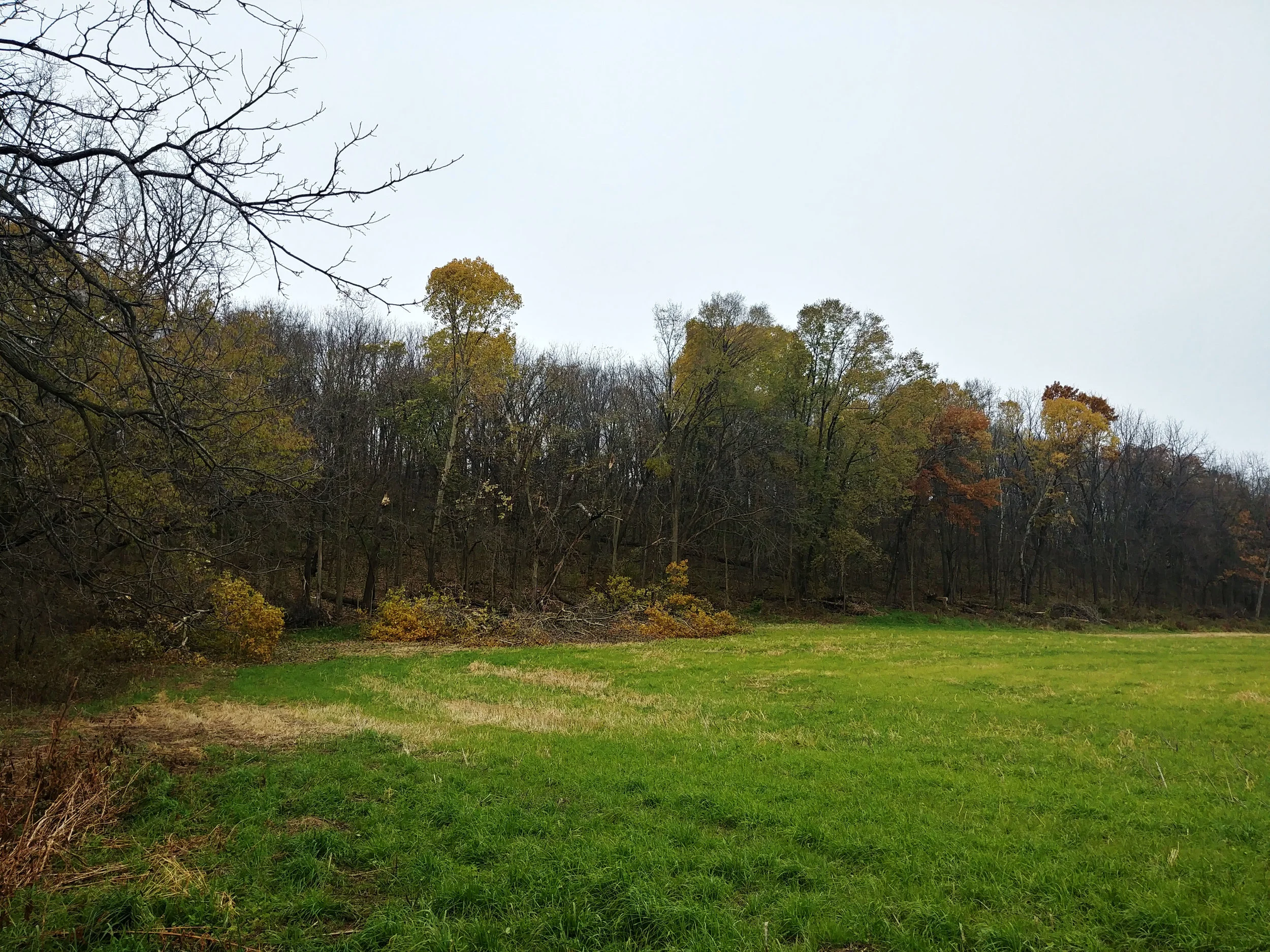
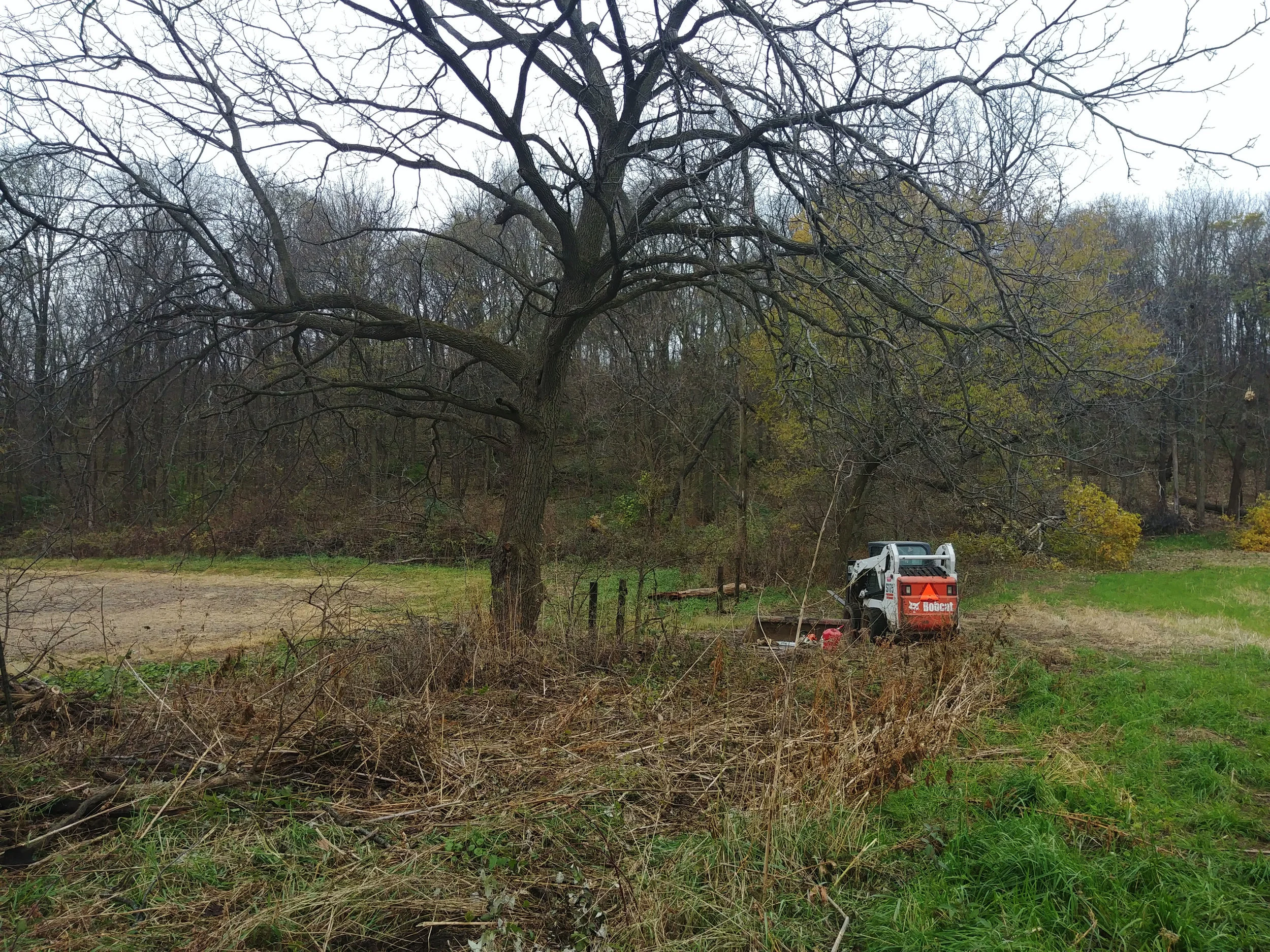
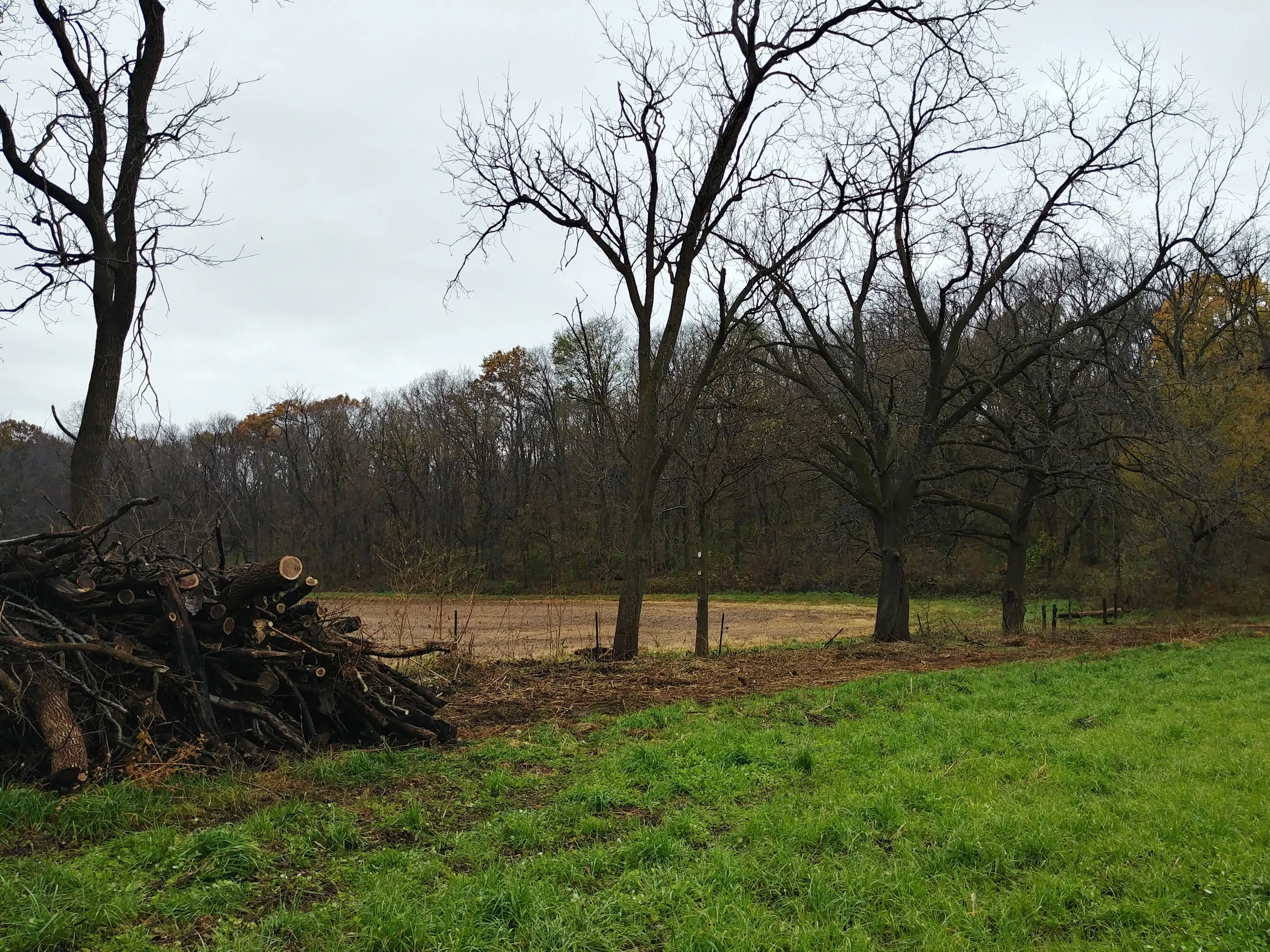
This spring we finally hired a company to come and finish removing invasive species including Mulberry, Boxelder, Grey dogwood, Sumac and others. These removals exposed additional acreage and opened up the canopy allowing light to infiltrate. I seeded the newly open areas with a mix of meadow fescue and orchardgrass. I also fertilized most of the average after putting a heavy coat of manure over the land last fall. This season we will lightly graze it to allow for it to establish, control weeds and allow the land to come to life.
video documentation - 2018 fall pasture walks
Video has already been a great resource for me as I develop the grazing systems at our farm. It provides a really great reference to what was happening the following season, challenges and what I was looking at doing in the coming year. It is insightful to what I thought my plan was last season, to what I actually implemented this season. Video has proven to be a quick and effective way to manage our grazing here at the farm.
I look forward to documenting our pasture progress again this fall.