
Farm | Why We Decided to Farm
During our final semester of college farmer Brit was exposed to the documentary Food Inc., which is quite frankly horrific. Food Inc. documents some of the practices in the modern food industry, particularly the meat industry in America.
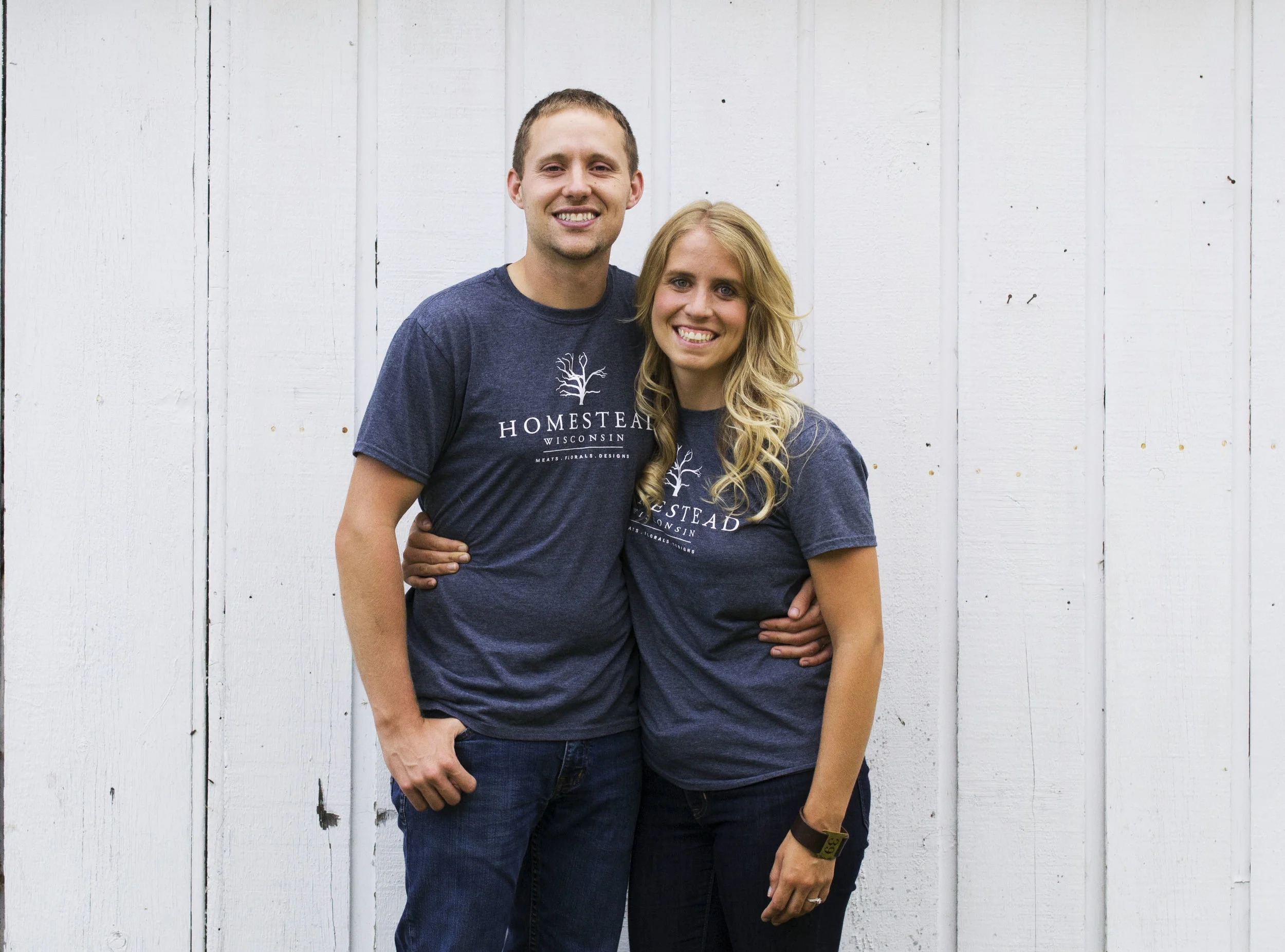
Why we farm
we wanted to know how our meat was raised
During our final semester of college farmer Brit was exposed to the documentary Food Inc., which is quite frankly horrific. Food Inc. documents some of the practices in the modern food industry, particularly the meat industry in America. After being confronted in such a dramatic way we had to face the harsh reality that we didn’t know where the pork on our table was raised, how our chicken was fed, or how our burger was processed. The scariest part for us was that we had not even questioned it before.
Flash-forward to our post-college life and we knew we wanted to make a change in our eating and purchasing - of meat products in particular. So we started raising our own cattle, just for us, and put our dollar to work in our local community with our purchases from local farmers. But, our own necessity for knowing how our meat was raised grew into a burning passion to make a bigger impact.
we’re passionate about connecting you with your food
Which leads us to today. We’re raising beef and lamb for dozens of families in our community and keep an open door policy. Our passion is sharing our farm, our livestock and all aspects of of raising beef and lamb with you. From babies we bring home or birth right here on the farm, to their ‘one bad day’, to how we actually feel about the meat industry, we’re open to sharing it all with you. We believe that what you eat shouldn’t be a secret and your farmer shouldn’t be a corporation.
Our promise is to do our best to answer all your questions so you can dine with the confidence that your meat was raised in the manner you expect.
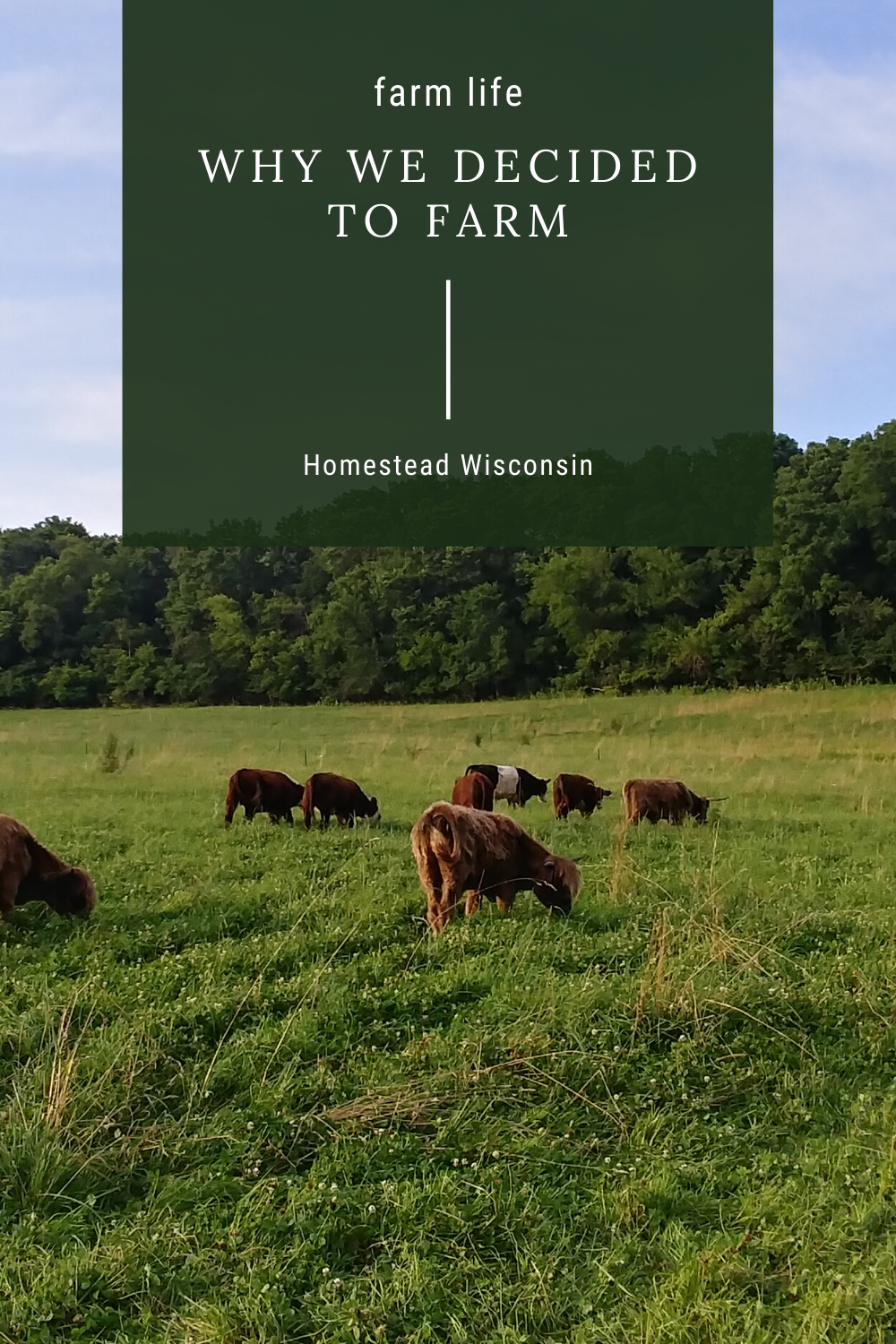

Farm | Grass-fed vs. Grass-Finished vs. Pasture-Raised What the Label Really Means
I think most people would agree knowledge is power. However, our food system has done a really good job of disguising itself and today I want to take some time to give you a little more insight into what the beef and lamb labels really mean.
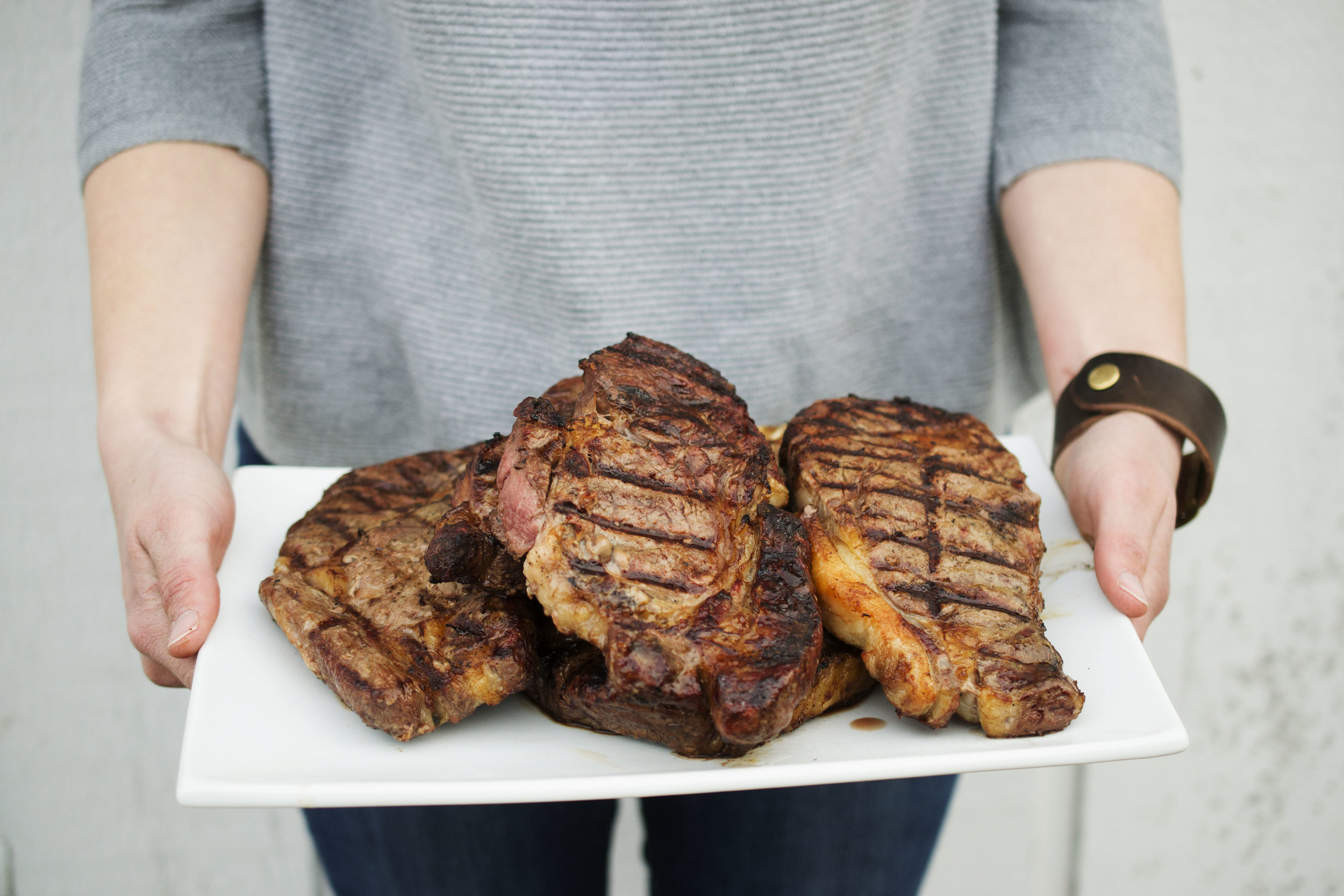
Grass-fed vs. Grass-Finished vs. Pasture-Raised
What the Label Really Means
I think most people would agree knowledge is power. Our food system has done a really good job of disguising itself and today I want to take some time to give you a little more insight into what popular beef and lamb labels actually mean, it might surprise you how little information they actually give.
Grass-Fed
Grass-fed is probably the most over-used and deceiving label in the beef and lamb industry. This label essentially means that the beef or lamb you’re eating was fed grass or hay during SOME point of it’s life, often the beginning. This does not mean the animal was fed 100% grass and/or hay for it’s entire life. This label also doesn’t mean it spent any time eating pasture grasses. It could simply be ‘feed-lot’ beef that were raised on hay and later ‘finished’ on grain.
Grass-Finished
This label is your best confirmation that your beef was raised on 100% grass. This label can only be used when the beef or lamb was raised on grass and then ‘finished’ (brought up to final weight) on grass and/or hay. Grass-finished, like grass-fed, does not mean the animal spent time grazing pastures but at least you can be certain it was raised on grass alone. If you’re interested in the health benefits of grass-fed beef you’ll want to look for a label that says grass-fed and grass-finished beef, or ask your farmer.
Pasture-Raised
This label means that the beef or lamb you’re eating was raised on grass fields. It again does not mean it spent it’s whole life grazing lush fields (many pasture raised animals are still supplemented with grain) and it also doesn’t mean it was only fed grass and/or hay for it’s entire life. It simply means it spent some of it’s life on ‘pastures’ which is defined rather loosely. ‘Pastures’ can be overgrown fields or over-grazed fields so buying pasture-raised doesn’t mean that the animal got it’s nutrition from them, but it didn’t live it’s life in confinement so that’s a plus if you’re looking for a more humane burger.
Free-Range
Very few livestock are truly ‘free range’, meaning they can wander wherever there heart’s desire, at least that’s what you’d assume by this label right? This label is probably most common in the chicken or egg industry but I’ve been asked in the past if my cattle are ‘free range’ as well.
Let me assure you that the chicken or eggs on your grocery shelf didn’t come from chickens who were running around and laying eggs anywhere they please or pecking around an old farmhouse for grubs. It simply means (in most cases) that they had larger cages and were able to ‘move’ instead of spending their life confined to a cage the size of their bodies. So I guess the label is an upgrade but it’s likely not what you first assumed.
In my opinion it is not ‘best practice’ to let animals ‘free range’ due to predators and other hazards found on commercial or small scale farms. And this label in my opinion is as vague as the term ‘grass-fed’ or ‘sustainable’.
What Are You Actually Buying?
What’s the best way to know what you’re actually buying? Knowing your farmer of course, do I preach that enough?. If 100% grass-fed and finished is important to you, ask. If a humane life growing on green pastures is what’s important to you, ask. If knowing the animal was harvested in a humane manner is important to you, ask. The beauty of getting to know your farmer is that you’ll be confident that the product you feed yourself and your family fits the criteria you’re searching for.
Our cattle and sheep are raised on grass alone
Here at Homestead we raised grass-fed, grass-finished, pasture-raised beef. We harvest our animals on these pastures and my promise to you is to always be open to any questions about our practices.
pin it!


Recipe | Red Wine Roast
Roast season is coming to an end, but don't let this recipe sit on the shelf until fall!
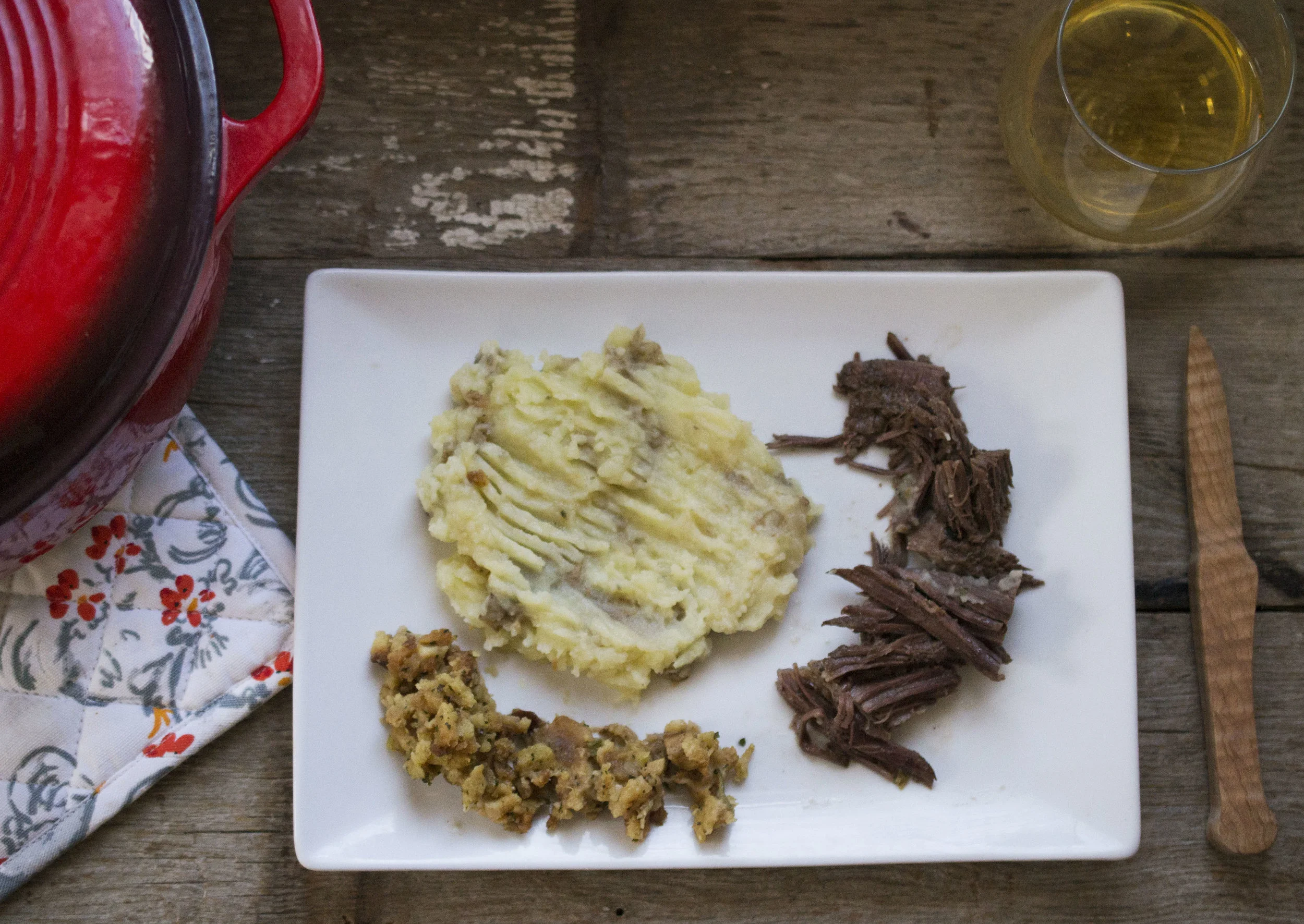
Red Wine Beef Roast
Roast season is coming to an end, but don't let this recipe sit on the shelf until fall!
Ingredient List
3 lb Homestead Roast (Chuck will be shred-able)
1 cup flour, for dredging
3 garlic cloves, chopped
1 large red onion, sliced thin
3-4 cups beef broth
1 cup red wine (Shiraz or Cabernet) *
2 Tablespoons Worcestershire sauce
1 teaspoon dried thyme
1 teaspoon sage
1 bay leaf
To Make This Deliciousness
Dredge your roast in flour then sear in olive oil. Once seared remove your roast add your garlic and onion to the pan and saute. Once your garlic and onion are soft add your white wine and bring to a boil for 3 minutes. Add your remaining ingredients and cook for 3 hours at 275 degrees.
Let sit for 20 minutes and serve with your favorite red wine.