Cooking Lamb
Rather than pretend I’m a chef, I’m going to let you learn from the pros on how to cook lamb.
How to Cook Lamb
Rather than pretend to be a chef, I’m going to let you learn from the pros and give you the resource I use in my own cooking adventures with lamb. The American Lamb Board has great resources and recipes available on their website.
If you love to cook lamb and have recipes you’d like to share, I’d love to highlight them here!
*** When you purchase lamb from Homestead we include a recipe guide and a temperature guide for your kitchen produced by the American Lamb Board. I am so grateful for the materials they provide us, producers, to help us best advise you on how to get the most flavor and nutrition out of your lamb.

Events | My Farm-to-Table Baby Shower
Planning parties is something I just love to do, so when I found out we’d be welcoming a baby I almost immediately started planning my baby shower.
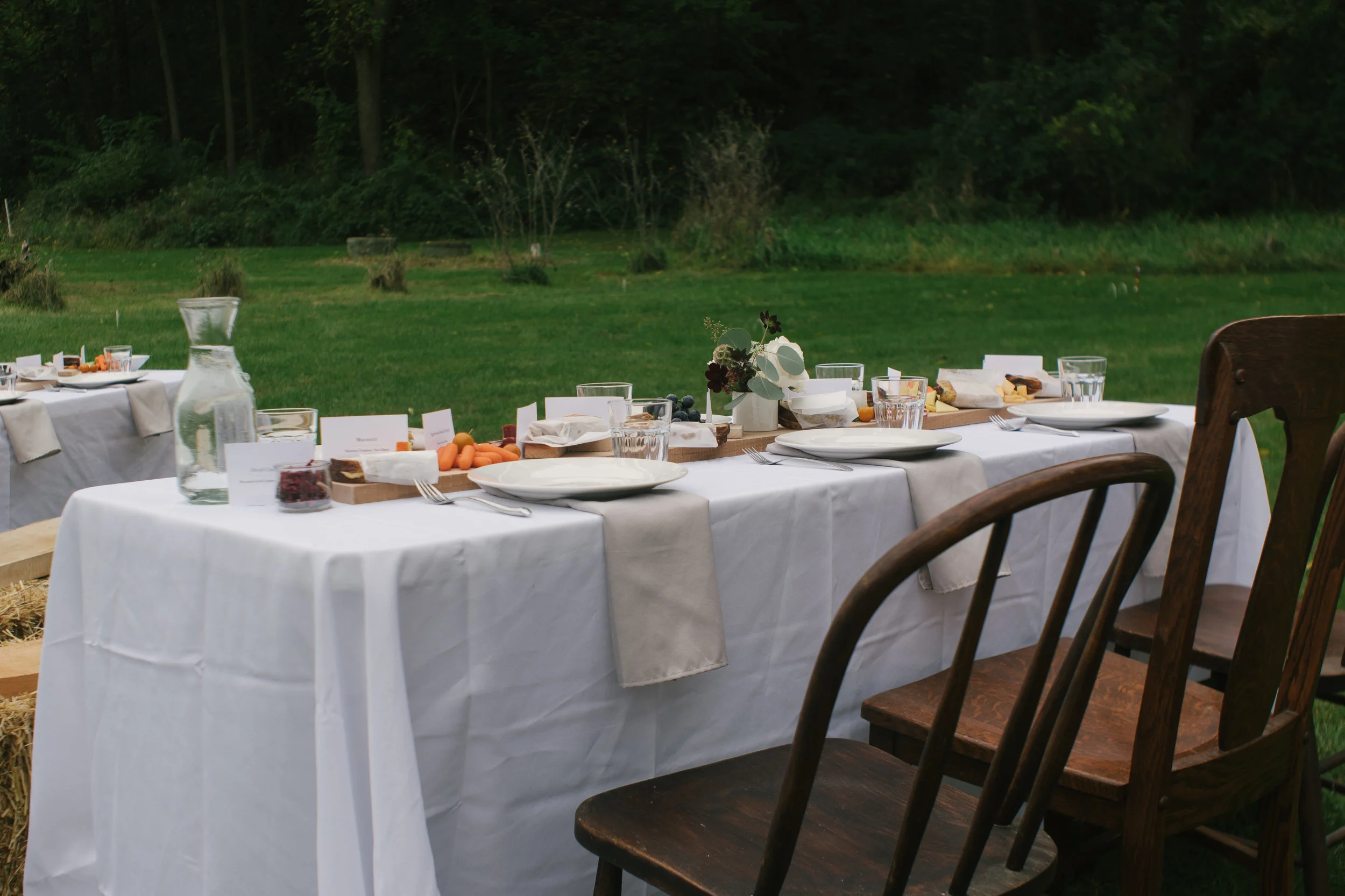
My Farm-to-Table Baby Shower
Planning parties is something I just love to do, so when I found out we’d be welcoming a baby I almost immediately started planning my baby shower. Now, my mother, friends and family would have LOVED to take care of all the planning for me, but I can’t help myself. Party planning is just too fun to give away!
As a farmer I wanted to plan a farm-to-table style party. Fresh, local foods from some of my favorite farmers and local vendors was the foundation of the shower. Traditional, of course not, reflective of my personality, absolutely.
I am so grateful for my family and friends for pulling all my ‘plans’ together into a beautiful afternoon celebrating baby McCoy. I have an incredible group of ladies who showed up to make me feel so special and to send me off into this new adventure in such a fun way.
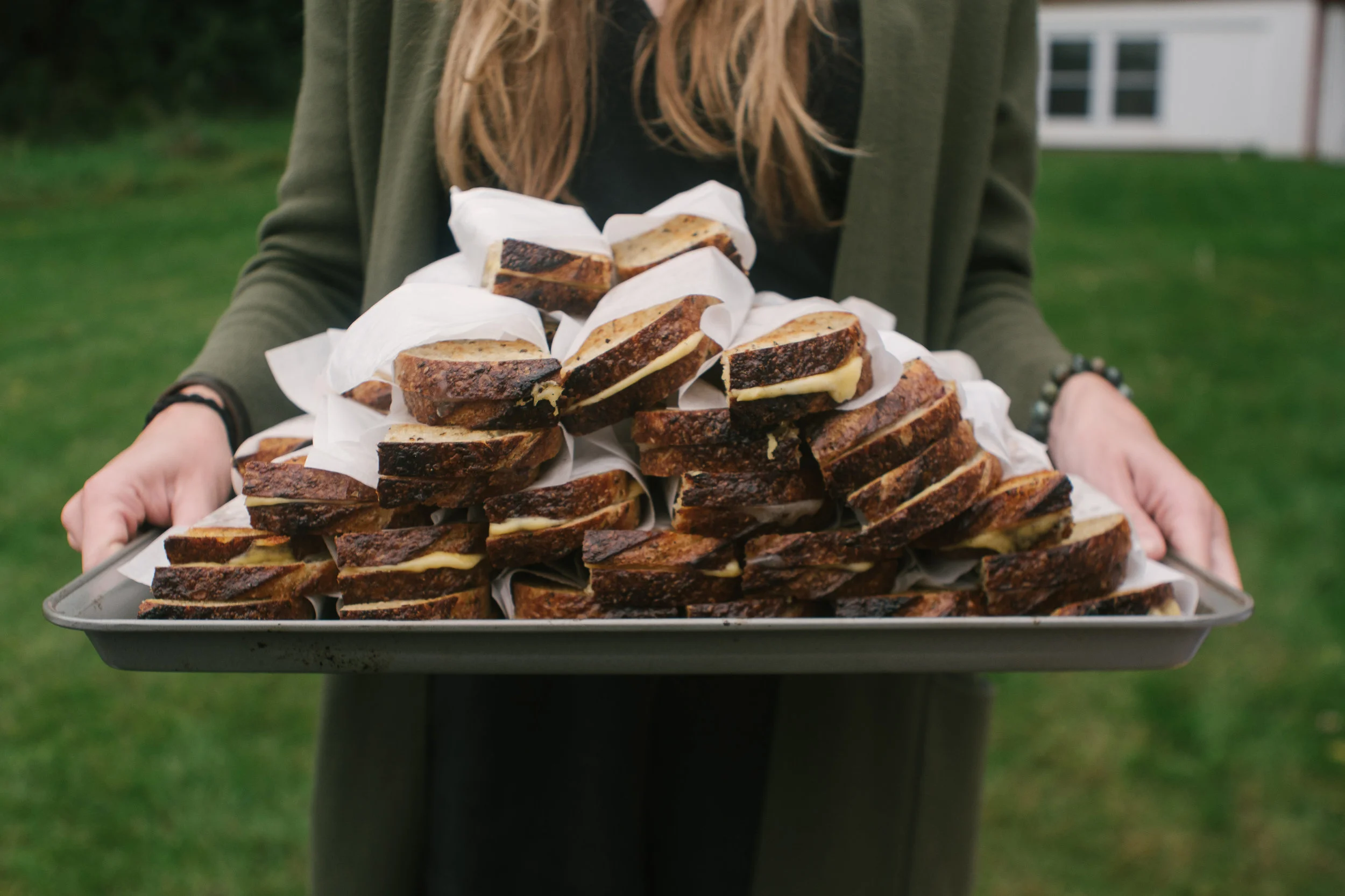


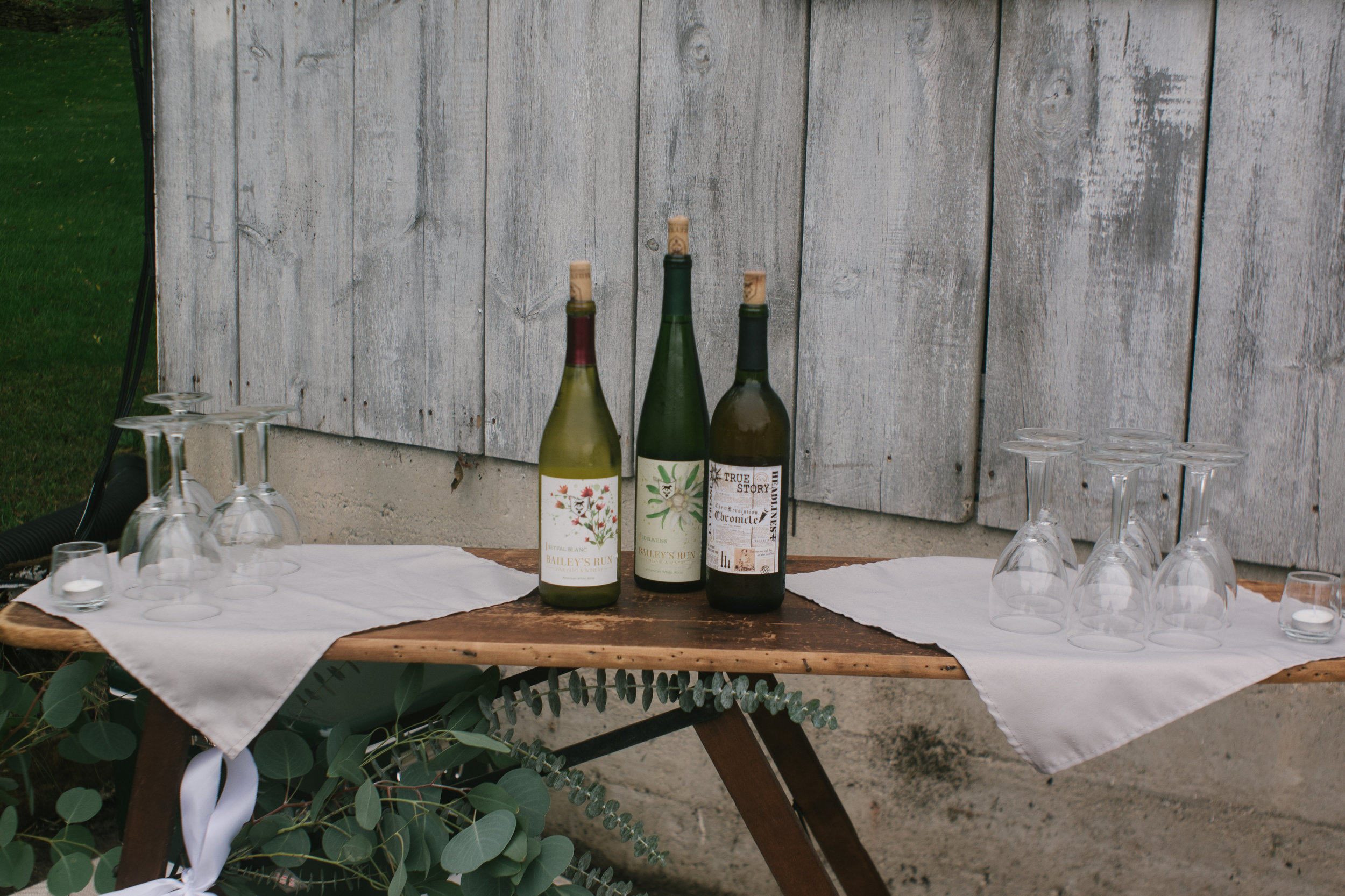


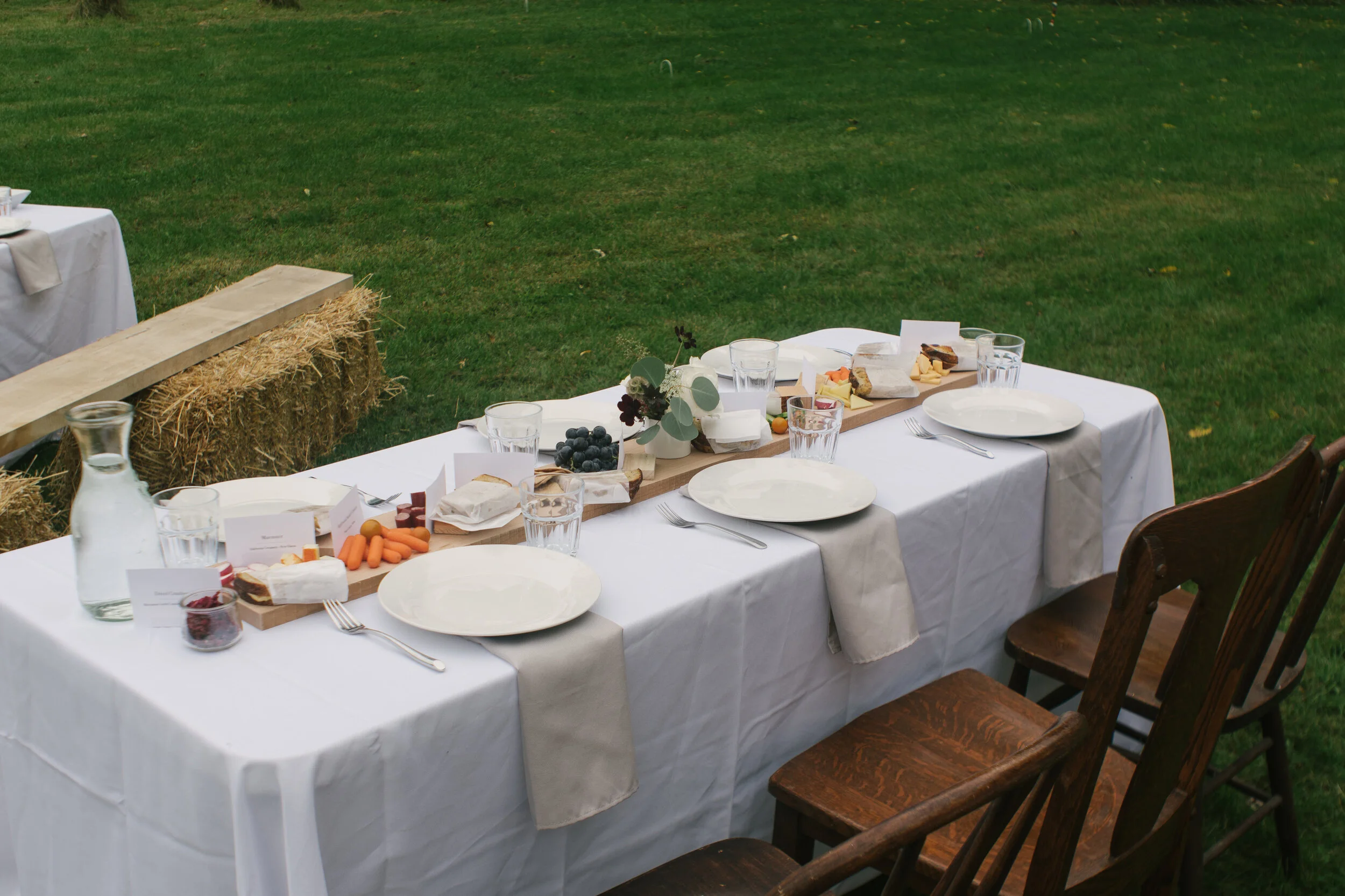
Featured Farms & Producers
Homestead Meats, LLC | Summer Sausage and Sausage Sticks
Meadowlark Organics | Flour for pastries
Bailey’s Run Winery and Vineyard | Wine
Munchkey Apples | Apples
Winterfell Acres | Veggies
Landmark Creamery | Cheese
Edelweiss Creamery | Cheese
Potter’s Cracker’s | Crackers
Madison Sourdough | Bread
Carandale Fruit Farm | Grapes
Floral
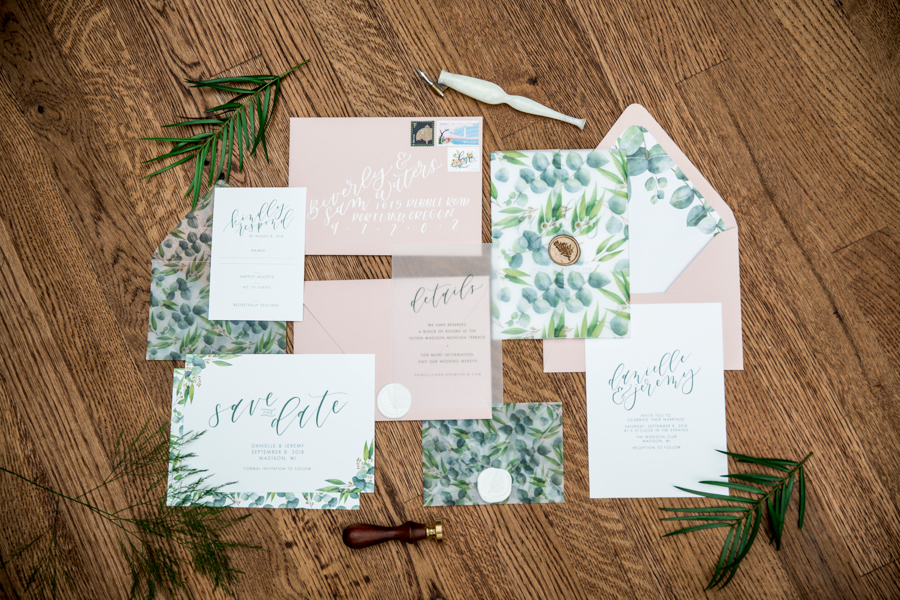
Stationary
Photography
Wood For Charcuterie Boards & Benches
Farm | What Their Last Day Looks Like
This has always been a hard topic for me, the last day. Even-though I believe that cattle and sheep were created for us to eat, there is something very sad about that lingering date on my calendar, the date a life ends to give us health and well-being.

What their last day looks like
This has always been a hard topic for me, the last day. Even-though I believe that cattle and sheep were created for us to eat, there is something very sad about that lingering date on my calendar, the date a life ends to give us health and well-being. While it’s an extremely graphic topic, I know there are those of you like me that while it hurts to know, we have to know. I think it’s the most important part of being a responsible meat consumer and thank you for caring enough to learn the whole process of what it takes to get your favorite meat on the table.
So, if you’re with me, I’ll wipe away the tears that fall when I write this and share what the last day looks like for our livestock.
it starts like every other day
Thanks to a MSU (mobile slaughter unit) we’re able to harvest our animals here on the farm. Which means that their day starts out just like any other. If they’re on pasture, they’re grazing when the sun comes up and if their harvested during the winter in our dry lot they wake up to bales of hay being thrown in the feeder.
This is what’s so special to me. That their morning doesn’t start off with a trailer backing up, a small holding pen. It doesn’t start with them being forced to load into a trailer and leaving home for an unknown destination.
when the truck pulls in
They get curious. Any visitor to the farm does not go un-noticed. Our butcher, steps out, says hello and gets to work prepping for the harvest. He loads his gun, he starts up the generator to keep his truck cool, he puts on his boots and smock and then he asks ‘who’s going today’. THAT’S the hardest question to answer, not because I don’t know, but because I’m finally acknowledging the end. If it’s a steer I point them out and give him tag numbers so there is no guessing. If it’s lambs I have them corralled in the barn and again give him the tag numbers.
The inspector put’s on her (usually her) or his white gown and boots and is ready when he’s ready.
then it’s time
I whisper a little goodbye as I hand over those tag numbers and I shed a few tears. If it’s a steer (our male cattle) I walk the butcher and the inspector out to the field. Then we pause, because it really makes us all sad. The gun is loaded and then I look away and wait, for that one shot. The shot comes, a single shot that takes the animal down, it’s gone. There is a heavy sigh from all of us and our butcher cuts the throat to let the blood run out.
If it’s a lamb (fully mature) it happens a little differently. They are corralled in the barn. The butcher instead uses high-voltage to kill the animal. The lamb lies down quickly from the voltage, it’s gone. Again, the harvest is never without a sigh and the butcher cuts the throat to let the blood run out.
To be honest, I don’t watch my animals go down, I haven’t mustered the strength to watch. I just wait for that shot and walk them back to the gate, the lambs I watched once to understand the process and now I walk out of the barn.
It’s really, really hard for all of us. BUT, it’s fast and in their home, just like harvesting a deer in the wild and that’s what brings me some comfort.
the processing
After the steer or lamb is gone, it’s brought to the truck via a skid-steer or wheel barrow, and the butcher skins it, guts it and if it’s a steer quarters it all with the inspector there to watch. After the animal is clean he closes the door, takes off his smock, thanks the inspector and waves a tense goodbye.
The final carcass is brought to their processing facility where it is aged, cut and packaged for pickup
it isn’t easy for any of us
I’ve received some very harsh words when I share my heart on this subject. I’ve been called ‘psychotic’, ‘sick’ and I know there are those who will always feel that way. What they don’t know is how much each and every person involved in harvesting our animals DOES care. The butcher, the inspector and the I, the farmer, all want what’s best for these animals. We want it done humanely, without pain and quickly. No suffering is what we all care about. None of us are in this industry because it’s easy and none of us are immune to the sadness. That inspector has to watch hundreds of these a week and that butcher has to perform hundreds a week and they both admit it has a high emotional toll. As the farmer it’s hard to pick a date where you’ll be forced to say goodbye to something you’ve cared for for so long, something you’ve watched born and bottle fed as it’s mama.
We do it because we believe these animals deserve the best and you deserve meat that was actually cared for, meat that came with tears. So, never believe that the last day was met without a trio of heavy hearts. It isn’t easy and none of us feel to should EVER be easy.
Thanks for reading, for wanting to learn and for supporting those who care.
Farm | Renovating Sheep Pastures
How we’re renovating our sheep pastures - from overgrown to lush and nutritious
Renovating Our Sheep Pastures
This is a lengthy post… about nerdy stuff like grass and soil. I love documenting and this post is certainly a compilation of lots of documentation. So, if you like soil, grass and learning about how other farmer’s make decisions, this post might just be your cup of tea.
what we started with
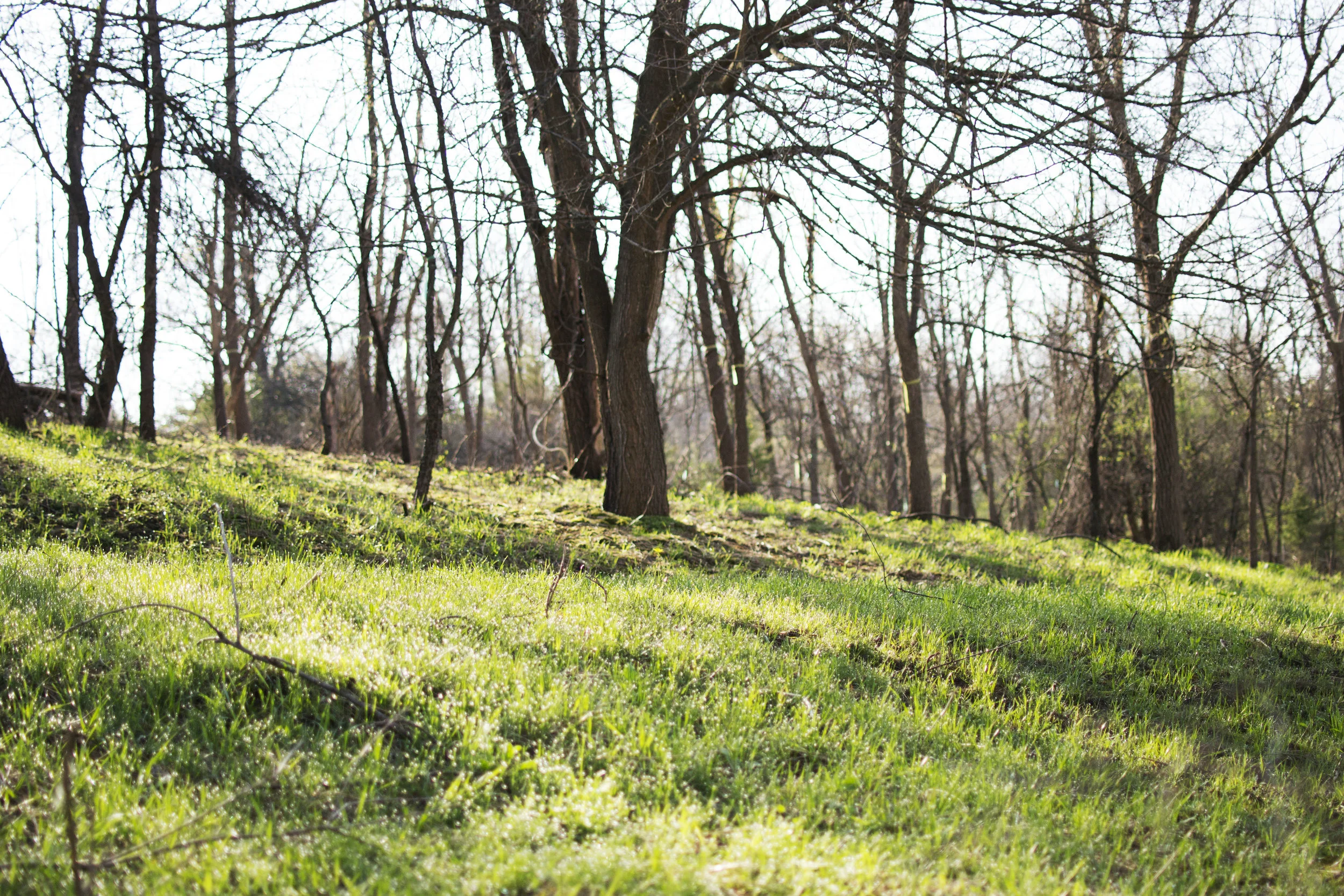
Our sheep pasture consists of seven acres, three of which are significantly sloped and heavily wooded. Two acres was an existing alfalfa and orchardgrass field with two acres that is mostly brome grass.
using web soil survey
I looked at what we have for soil and slopes in our pasture. You can find your soil map HERE
72% of our pasture is | Newglarus-Dunbarton silt loams, 12 to 20 percent slopes, moderately eroded
17% of our pasture is | Elkmound-Northfield complex, 30 to 60 percent slopes, very rocky
11% of our pasture is | Eleva sandy loam, 12 to 20 percent slopes, eroded
What we did in 2018
In spring 2018 we cleared about 2 acres of brush which included prickly ash, grey dogwood, sumac, plum, boxelder and mulberry. I over-seeded the ‘thicket’ areas with a mix of grasses and legumes, of which 30% was legume. Over the summer months I focused on keeping the woody species from coming back in, using mowing and herbicides. In the fall I heavily grazed a 1/2 acre area of brome grass and over-seeded with the following over-the-counter mix:
50% Gulf Annual Ryegrass
27% Intermediate Ryegrass
19% Orchardgrass
3% White Clover
1% Medium Red Clover
In October I took our cattle through a two acre area that was primarily brome grass and had them beat it up to expose soil.
what we did in spring 2019
In spring 2019 we worked on clearing additional brush in the most heavily sloped areas. These areas have significant timber including walnut, catalpa and cherry. We removed mulberry, elm, cedar, boxelder along with honeysuckle, grey dogwood and plum (plum is poisonous to sheep). This area still has significant cover and will need additional clearing, maybe next year.
In the late winter spring months I developed my knowledge on sheep pasture mixes, mixes that maximize gains, and our options for our drought-prone slopes. With my research I developed the following pasture mix.
Our pasture mix
Chicory - 40%
Ladino Clover - 15%
Alice White Clover - 15%
Alfalfa - 5%
Orchardgrass - 10%
Festolium - 15%
My research lead me to develop a mix with a high chicory content. Chicory is non-bloating, and local farm research showed significant gains on chicory based pastures. I also realized during my research that sheep prefer legumes over grasses, so I made sure to develop a mix that put more focus on the legumes than the grasses. Chicory, alfalfa and the grasses show better drought tolerance than the clovers; however, I wanted to try and get some clovers established on the less sloped areas that will get more water. I’m curious to see what my results are after this growing season.
our alfalfa and brome areas
The bromegrass areas I over-seeded with a Ladino and Alice White Clover mix. Over the coming years I anticipate continuing to replace alfalfa with clover, chicory and other legumes, and diversify the brome acerage with additional legumes and chicory.
Planting on slopes
Since three acres of our sheep pasture are in-accessible with a tractor, I broadcast seed by hand and put sheep hooves on it for a day, right before a good rainfall. This three acre pasture was broadcast with the chicory blend.
how i’ll manage grazing this year
I will be managing weeds and woody plants this season by rotationally grazing both the sheep pasture and the brome area. Sheep are fantastic gardeners and I can’t wait to see the progress made by using them for management this season.
What we did in 2021
This spring we finally hired a company to come and finish removing invasive species including Mulberry, Boxelder, Grey dogwood, Sumac and others. These removals exposed additional acreage and opened up the canopy allowing light to infiltrate. I seeded the newly open areas with a mix of meadow fescue and orchardgrass. I also fertilized most of the average after putting a heavy coat of manure over the land last fall. This season we will lightly graze it to allow for it to establish, control weeds and allow the land to come to life.
video documentation - 2018 fall pasture walks
Video has already been a great resource for me as I develop the grazing systems at our farm. It provides a really great reference to what was happening the following season, challenges and what I was looking at doing in the coming year. It is insightful to what I thought my plan was last season, to what I actually implemented this season. Video has proven to be a quick and effective way to manage our grazing here at the farm.
I look forward to documenting our pasture progress again this fall.
video documentation - June 2019 update

Floral | September Wedding Inspiration
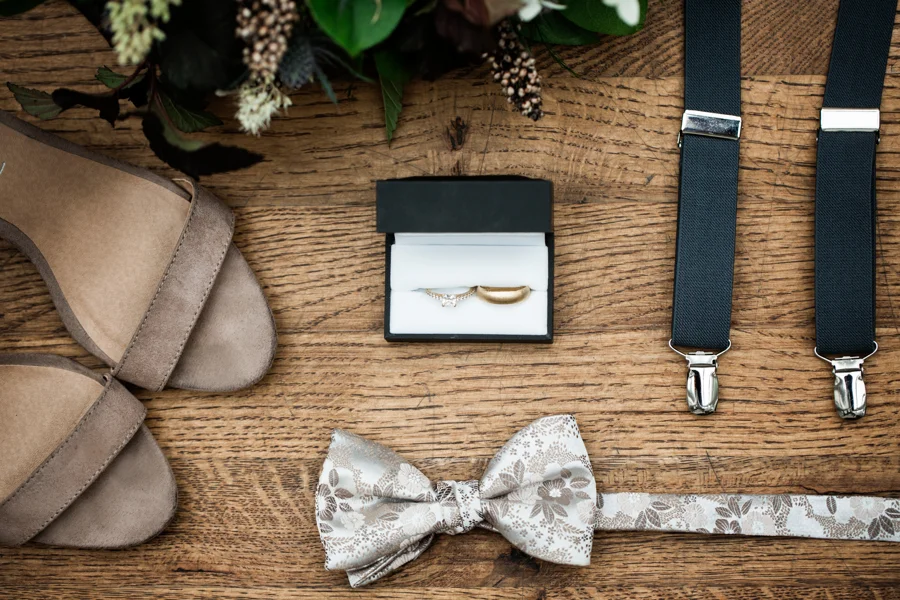
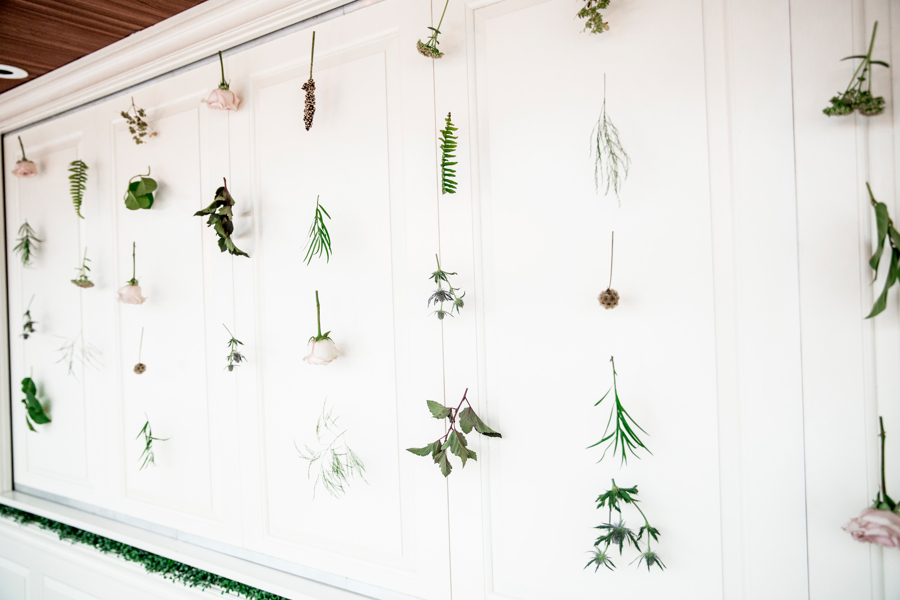
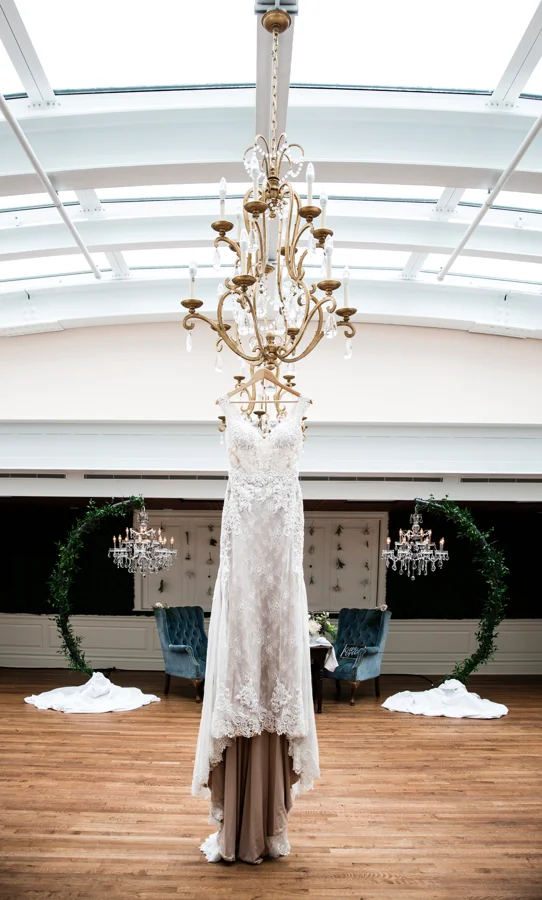
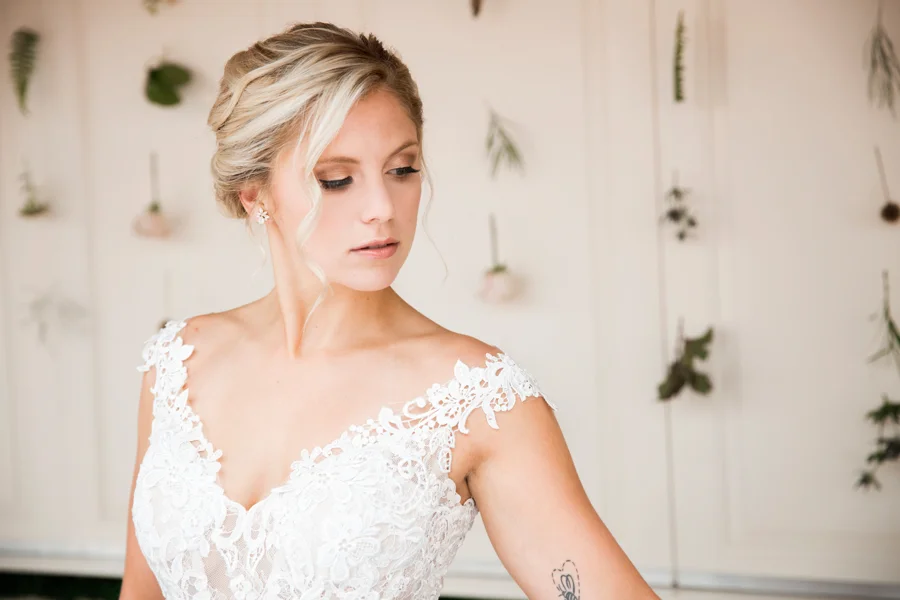
Oh.my.goodness! It’s incredible the beauty that happens when vendors come together creatively. I’ve been honored to get to spend this year getting to know and work with some of Madison’s passionate wedding vendors.

September Wedding Inspiration
Oh.my.goodness! It’s incredible the beauty that happens when vendors come together creatively. I’ve been honored to get to spend this year getting to know and work with some of Madison’s passionate wedding vendors.
Jamie with HYPE Event Planning pulled together some talent for this shoot and I think all of us stood back after set-up in AWE of what can be created by some talented people and a lot of passion for our industry. It’s a pleasure to share this shoot with you today and I hope you are inspired to seek one of these lovely people out for your special day.