For the Love of Farming | love it or leave it
This is a post I’ve put off writing for a very long time in fear of sounding well, rude or blunt. But, now I’m sitting here listening to friends who’ve hit complete burn-out - who I could have helped if I had been honest and had myself not glamorized it too much.
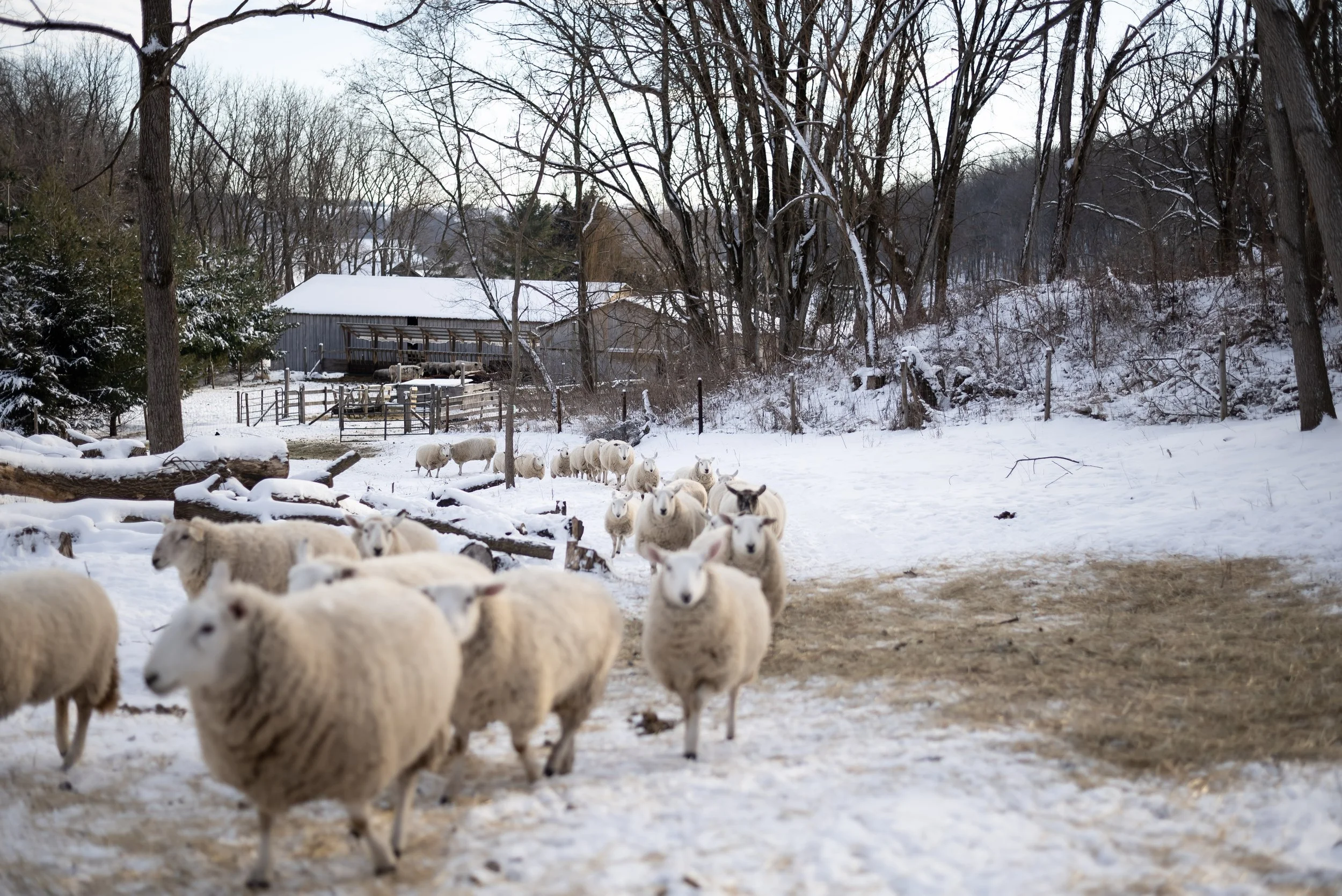
@honestmomphotography
For the love of farming | love it or leave it
This is a post I’ve put off writing for a very long time in fear of sounding well, rude or blunt. But, now I’m sitting here listening to friends who’ve hit complete burn-out - who I could have helped if I had been honest and had myself not glamorized it too much. So, I feel it is necessary to finally bring some truth, even if it seems a bit harsh, to the over-glamorized life on a farm that shows up in the little squares on Instagram.
OK, hear me out on this - farming isn’t for everyone and it is time to be honest about it. The USDA says this, “Direct on-farm employment accounted for about 2.6 million of these jobs, or 1.4 percent of U.S. employment”. So here is my two cents, farming is incredible - but it comes with a plethora of challenges that only those who truly love it will end up sitting on the side of continued fascination rather than resentment.
I’ve heard from many incredible people that they are searching for a farm, that they dream of direct-marketing their products and living simply. Perhaps a few of them only wish to raise livestock to feed their families. Either way, if you look around at what is currently trending - it is a dream of a simple life on a farm raising livestock and vegetables or what some call homesteading. While that is 100% valid because in many ways returning to this old way of life is beautiful, I guess I just want to bring some truth into the dreams of owning livestock. Not in an effort to rain on anyone’s parade, but instead to be truthful on what it takes.
365 Days - Livestock operations, unless you’re buying a couple of hogs, sheep or broilers to finish out in a few months operate 365 days a year. Livestock need care on the 4th of July, Christmas, Easter, and every other holiday whereas others in the USA are focused on family and relaxing.
Farms also come with a lot of financial investment. Putting aside the sheer cost of farmland, starting a livestock operation even in its most basic form you’ll need fencing, shelter, and feed. If you’re direct marketing you’ll also need freezers, licensing, insurance and a website at the very least. When I was raising a couple of steers a year I had to buy in all my feed. It didn’t make sense to put land into hay production at that size, and it certainly didn’t justify buying hay equipment. So, I had a yearly cost of purchasing hay to feed to my livestock. Then there is shelter from the sun and weather and a fence around the land to keep your livestock where they belong. Even at a small scale, this was thousands of dollars just in start-up costs. Sure, if you’re doing chickens costs are a little less, but I am no expert in the poultry department. I guess what I am getting at with the financial component, is to make sure you’re willing to invest thousands just to get off the ground and don’t forget about hidden costs like land taxes that sneak around every year.
Beyond the financial investment be sure you’re considering your time investment. Again, I think it is easier to write this off when you’re raising a few animals a year just for yourself, but remember those 365 days a year? That is time that could be spent elsewhere - so make sure running a farm really matters to you. I think I’ve seen most of my friends struggle with this aspect the most, to be honest finding good help that you trust to take care of your livestock is hard to find these days. Sure, someone might collect some eggs from your chickens, but will they notice a health crisis? Probably not. Take it larger than poultry like a steer and you could have a big and financially burdensome problem on your hands. Let’s be honest, your friends probably don’t actually want to take care of your farm while you’re away, so does that mean you’ll never getaway? Perhaps. Will this breed resentment towards the farm? You’ll have to decide that.
So, I guess what I encourage you to do is think about the life you want to live, do livestock really align with it? If you want to travel and get off the farm do you have real people in your life that are capable of taking care of things for you while you’re away? Do you want to work 365 days a year if you don’t have those people? How might you overcome that? Do you have the financial resources to live beyond the farm, or are you OK with the farm being what you have to live?
Again, not to be harsh, but when it’s -45 with a wind-chill and you wish you could jump on a plane to Florida… those are the things to think about before you decide a farm is for you. And if it isn’t perhaps there is a way to get that simple life in a little simpler way, I mean a nice country home sounds nice too.

Growing from Pains | The farm in 2022
I am a planner, a goal-setter and someone that really thrives on solving problems. Which makes the farm a really great vocation, because there are always new problems to solve.
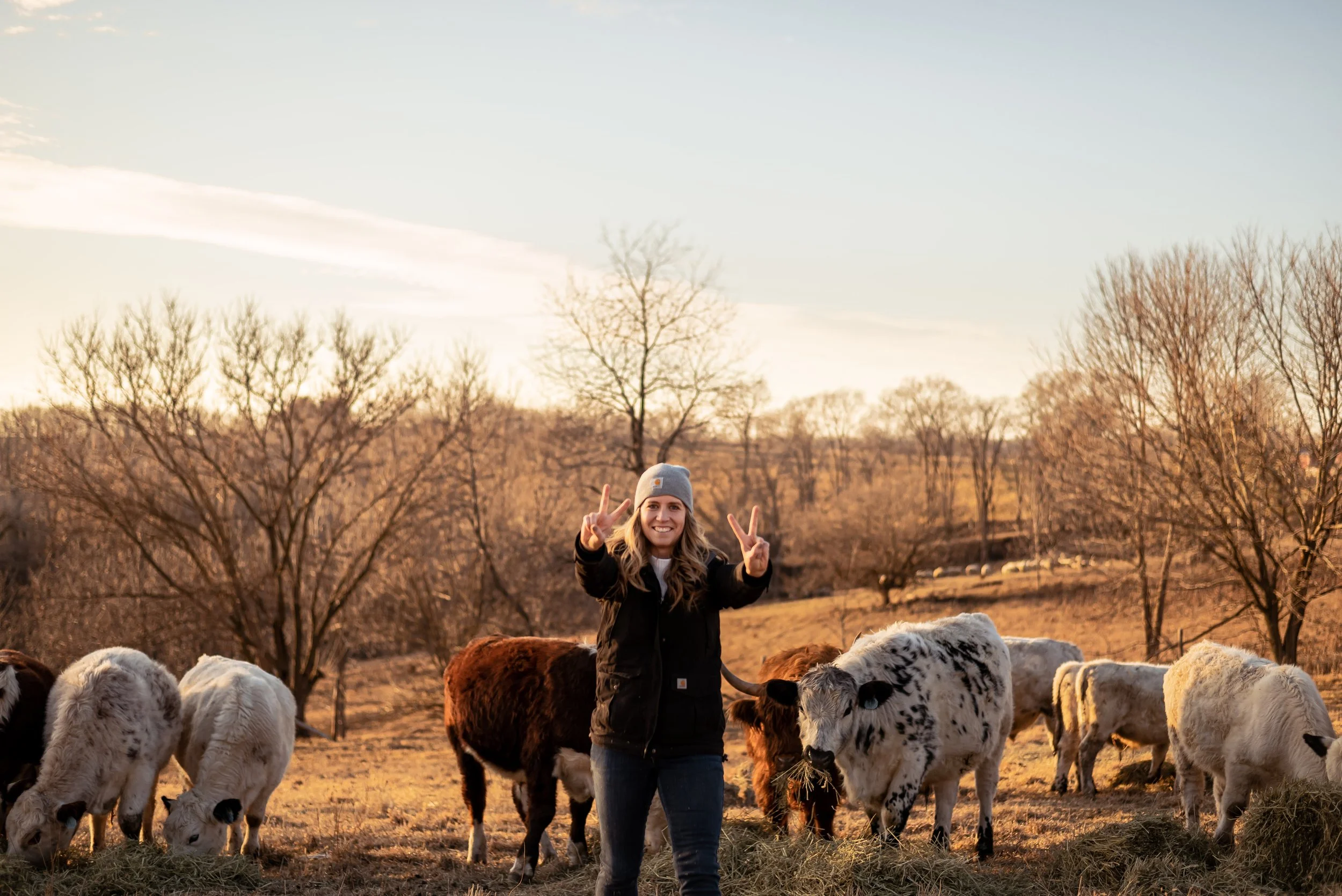
@honestmomphotography
Growing from Pains
I am a planner, a goal-setter and someone that really thrives on solving problems. Which makes the farm a really great vocation, because there are always new problems to solve. This year I finally took the time to look at some of the challenges of the farm that I’d ignored, or brushed off as ‘growing pains’. Maybe it was because I am now farming with a toddler, or maybe I finally felt like I had enough data to make decisions with a clear vision. Either way, my goal setting and planning for the year took a different turn than I had imagined when our farm first began.
First, it started with personal goals, not business goals. Again, I can probably attribute this to my daughter and a change in my vision for life - knowing life is about far more than business. For the first time I sat down and looked at what I wanted for my life and how the farm fits into that instead of making decisions based solely on growing the farm.
You see I believe it’s easy to get caught up in the pressure to grow, especially on a farm where it seems money is always tight. I think it’s especially easy as a new farmer (only because this is what I did) that bigger means more money - which means stability. Or at least that is how I mentally justified growing and pooling every resource to do so. I mean look at how many farms do all the things, raise every type of livestock and never actually make a living from it - it’s more than you might think. What I’ve realized for the first time is there really isn’t much of a living in purely raising beef and lamb. But that doesn’t mean diversifying is the answer. Being smart when diversifying is crucial to the success of doing so because more livestock doesn’t mean more profit just like more products doesn’t always mean more profit. In fact, in my opinion, it means the opposite in most cases. From what I’ve seen and experienced myself is it only means more irons in the fire, being stretched too thin, more stress, and less time to do the other things you value in life.
What I realized is that in an effort to ‘maximize’ the farm profitability I was directly inhibiting my ability to maximize my life.
A really tangible example of this is my ability to travel - which was ‘hugely’ important to me prior to starting the farm. Over the last four years it has taken a complete backseat to the farm. Because let’s be honest, spending that ‘vacation’ money on farm stuff can always be justified as a good investment. I mean automatic waterers to save time, chutes for sheep handling to save the need for more hands, skid-steers to move larger bales, more livestock - well duh! It’s easy to think that someday that financial sacrifice will pay off…. or it won’t.
I guess I finally hit a point that I could no longer justify this excuse, looking at the numbers with a critical eye instead of rose-colored glasses gave me a clear answer. One that I wasn’t totally ready to accept if I am being honest.
What I realized is that my precious cattle need a lot of resources, mostly on the financial spectrum. They take a long time to grow, they eat a lot, they break things and harvesting them is a challenge. Now, let me step back and just note that cattle are my first love and they are where this all started - that will never change. But, that doesn’t mean that I need to focus my growth here, in fact, it is a place I know I need to stop growth, at least in this season of my life.
As it turns out, the sheep have the most potential to be financially viable within the constraints of my land, resources and the little detail of raising a toddler in the midst of running a farm.
So, what does that really mean for the farm going forward? Well, first it means a halt on growing the herd and more attention to the flock. It also means maximizing the potential within our waste products to add financial additions to my revenue stream without adding loads of more work. It means maximizing each and every life, both from a stewardship standpoint and a practical farm-stability one.
Which leads me to my goals in 2022 which read something like this:
Utilize all the fat from our livestock harvests
Utlize all of our sheep hides from harvests
Find an avenue for our cattle hides from harvests
Capitalize on farm experiences for our customers
Maximize customer relations
Remove the lens of ‘future payoffs for investments now’, this is a personal one because it seems to have been my way of justifying everything and not looking at things critically. This season I am choosing to simply follow-through on projects already in the works rather than finding new ones. This one is going to be HARD for me.
Book that trip to Alaska

Entrepreneur + Mother | The first year
Reflecting on my first year of being a mom and balancing a growing business.

Entrepreneur + Mother | The first year
This week we celebrate Maren’s first birthday and my first year finding a new rythmn with the title of mother and entrepreneur.
I learned a lot about myself and about my business this year. I learned to set new boundaries, new goals and took control of this business in ways I never could have imagined I’d need. I was faced with decisions that had me rethinking my priorities, ditching things that didn’t matter to me anymore and finding life outside of work. It wasn’t an easy year by any means, but it was exactly what my business and my life needed.
I often get asked how I managed a growing business and life as a new mom and it came down to a few critical life lessons.
I needed to find the true discipline to follow a schedule
Repeatedly asking myself to evaluate what tasks were necessary and what were ‘bonuses’ and only allowing myself 1-3 absolutely necessary tasks each day
Leaning on others to help navigate what this new life would look like
Coming to realize that my worth is not in how many hours I work, but instead looking at life as bigger than what I can ever achieve in my working hours.
So, if you’re a new mom who’s trying to balance work with your little here is my greatest lesson from the past year. Decide FIVE things, yes only 5, that truly matter to you in your business and FIVE things that matter to you in life and focus on only those. It is amazing what a focused mind can achieve.
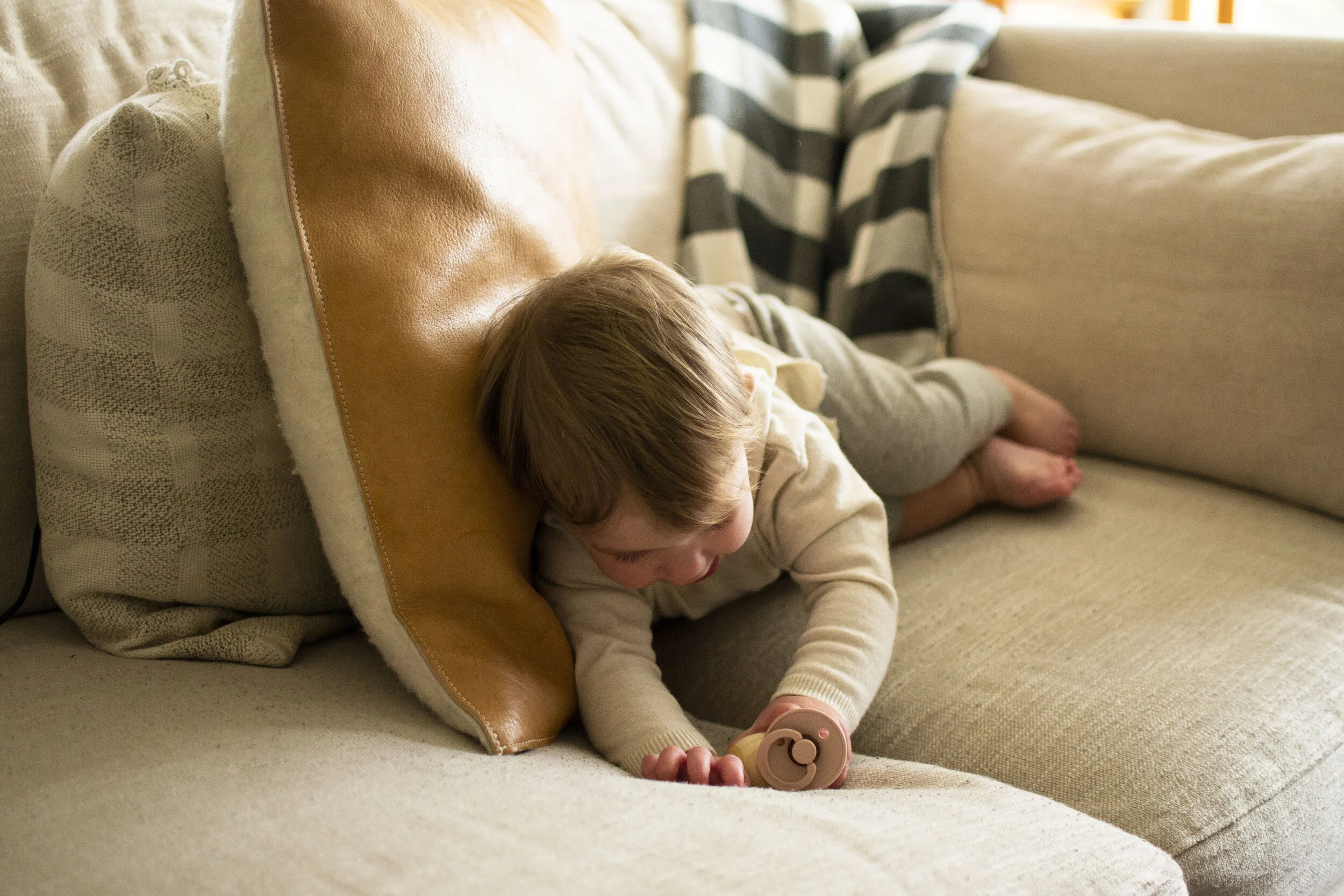
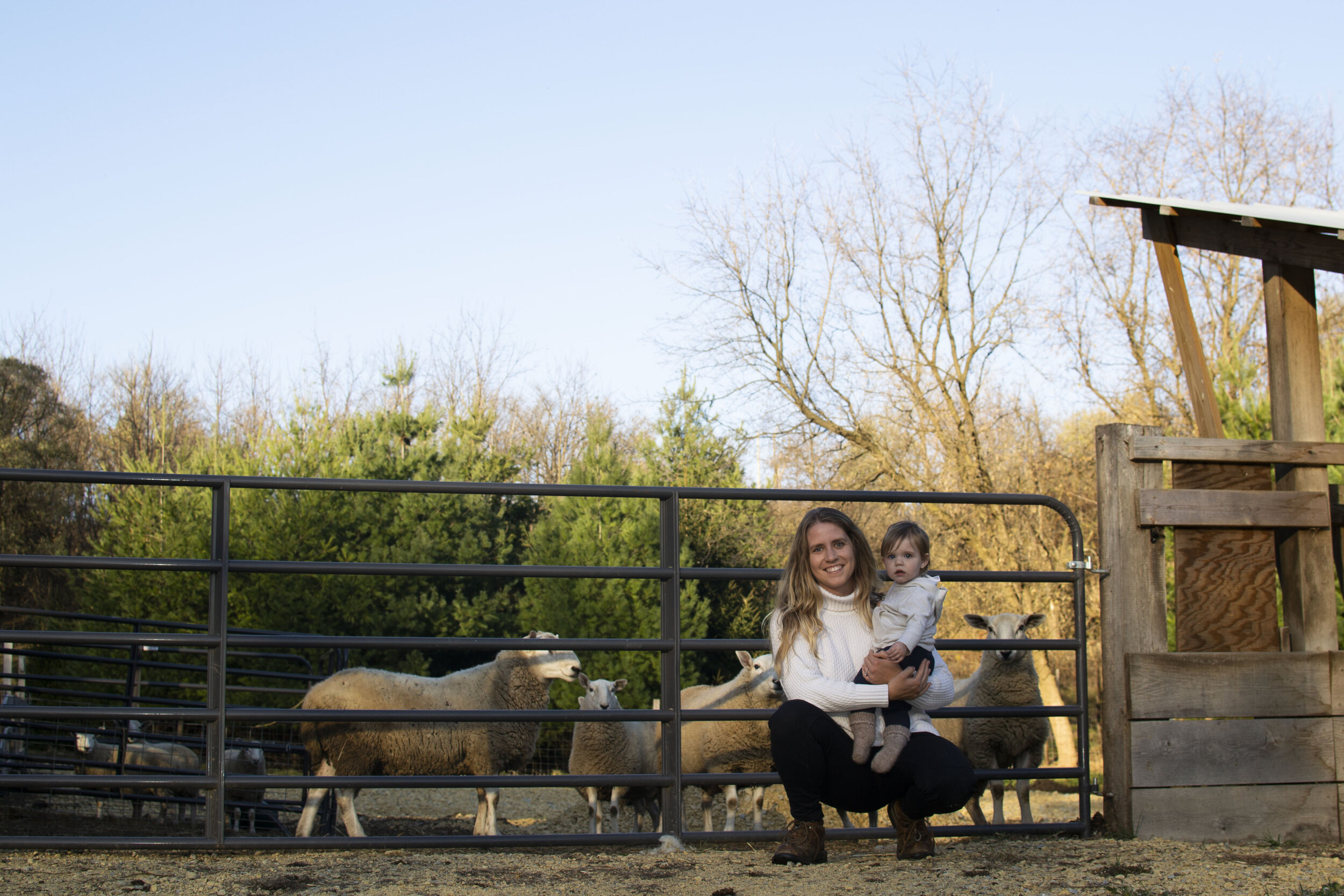
Some of my favorite pictures from this season of life.



Reading List | Craft Beef
My thoughts on Craft Beef, the book
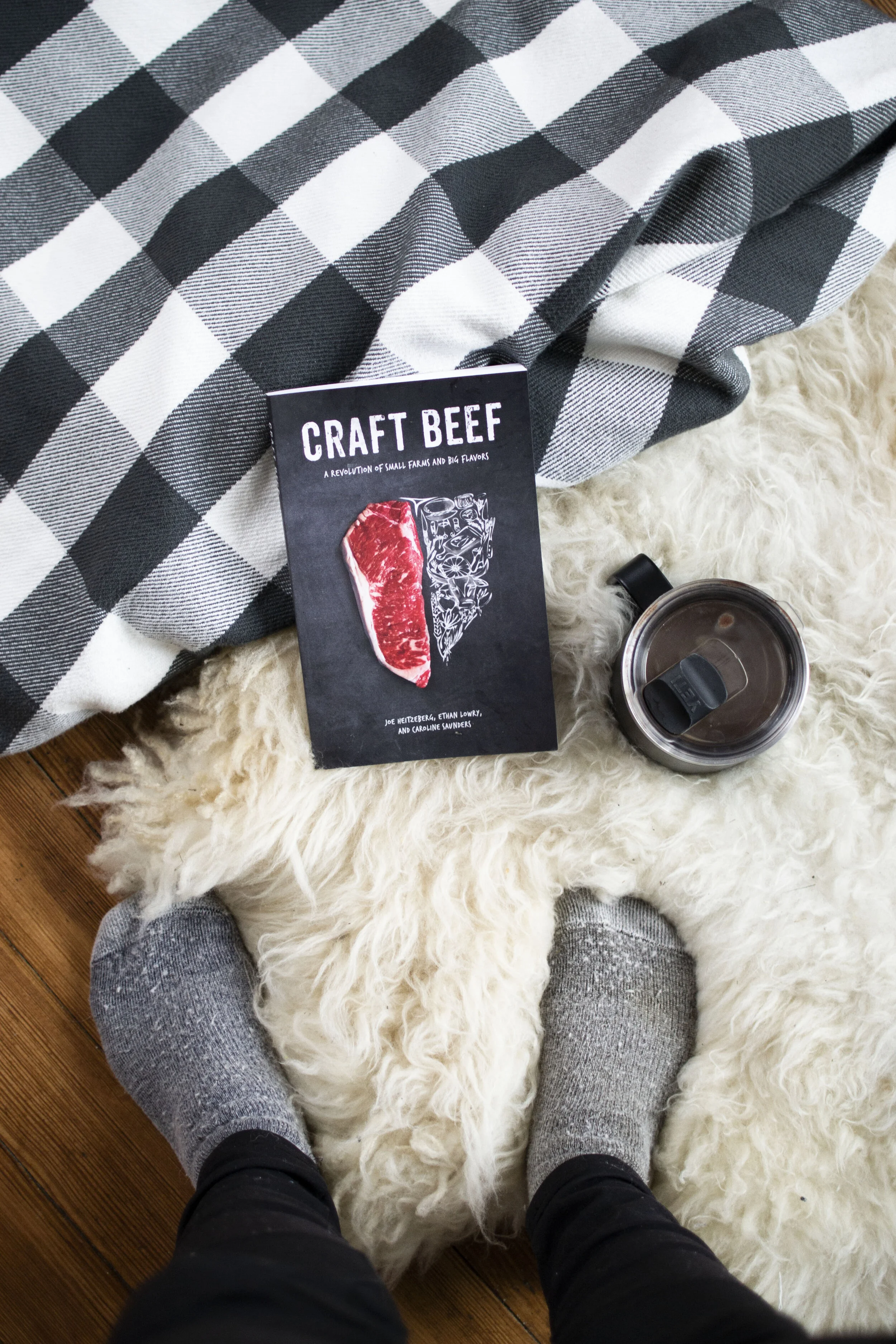
Craft Beef Book
Gone are the days of chunks of time to devour a good book, but that doesn’t mean I don’t still enjoy flipping through pages of people’s thoughts and experiences on different subjects.
This book, Craft Beef, is one that I just have to share with you. As a farmer there are many times I’ve used the phrase ‘craft beef’ to describe our product. Really each farm’s management system will produce slightly different beef. Beef grown in Oregon will task different than beef from Wisconsin because our grasses, soils and minerals are unique to our geography. This makes ‘location based’ beef and eating something truly special.
This book walks through what makes farm-direct beef so special. It describes practices of individual farms and takes you through the stories that make beef matter. I highly recommend you give it a purchase. You can find it on Amazon here.

Our Little Farmher
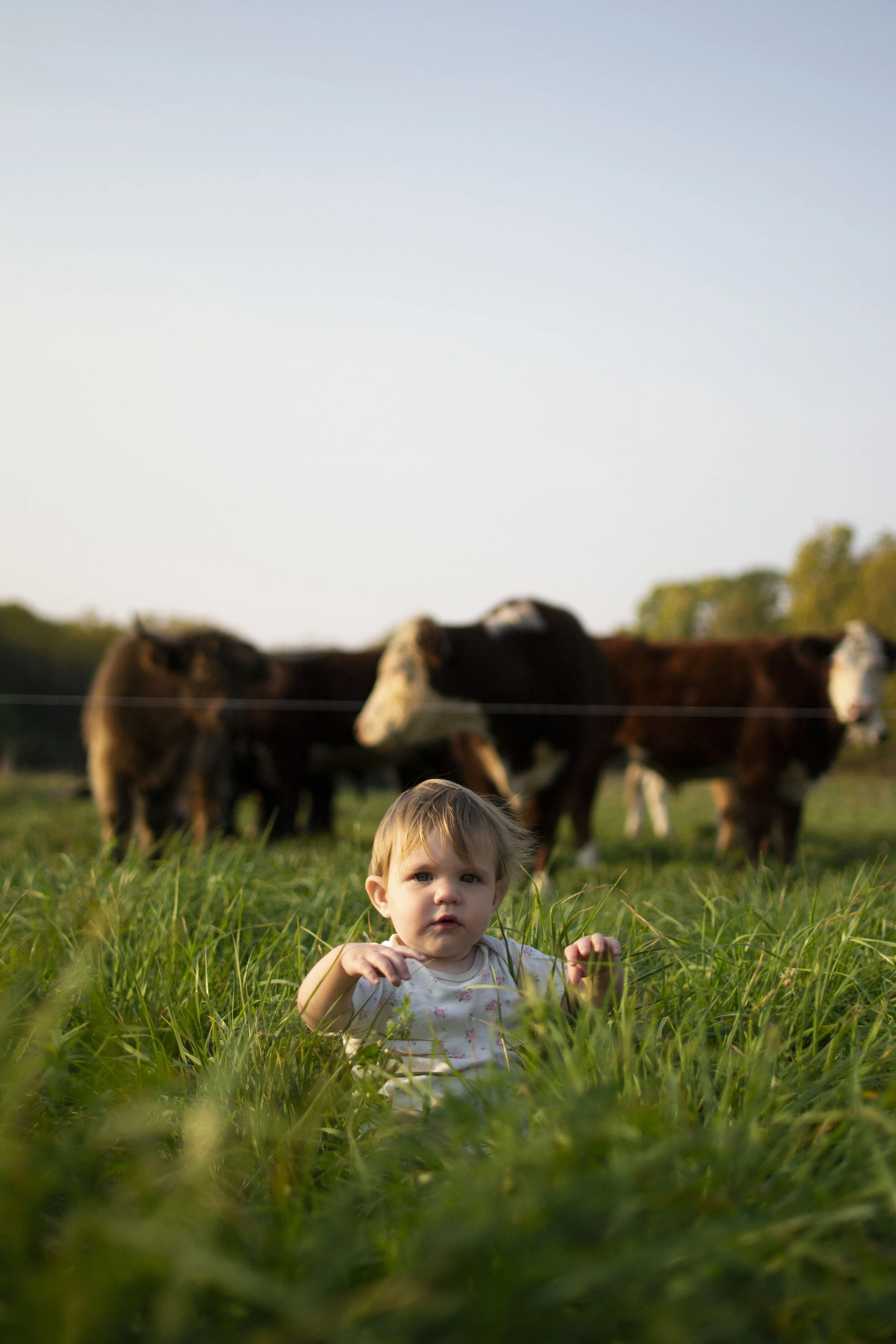
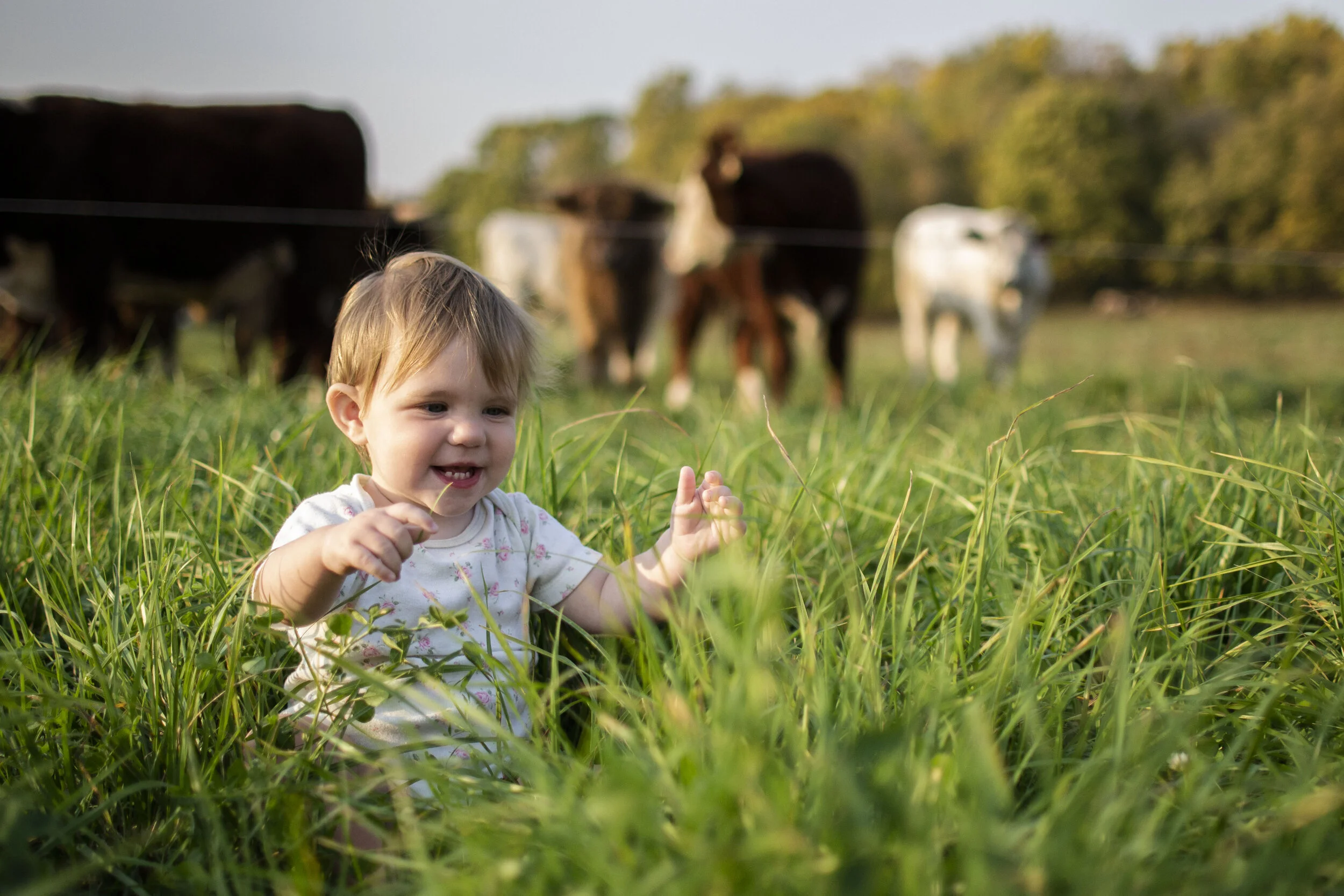
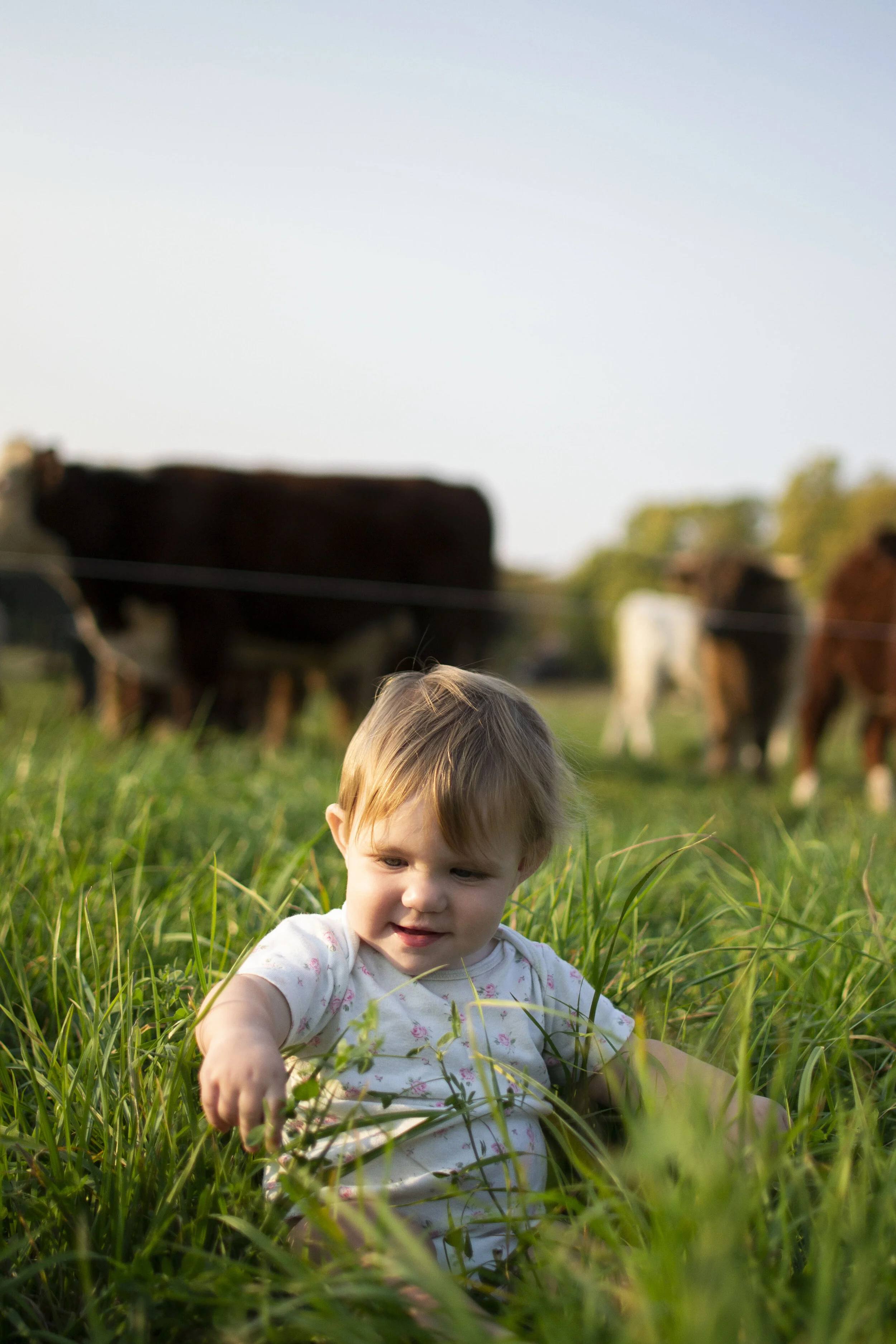
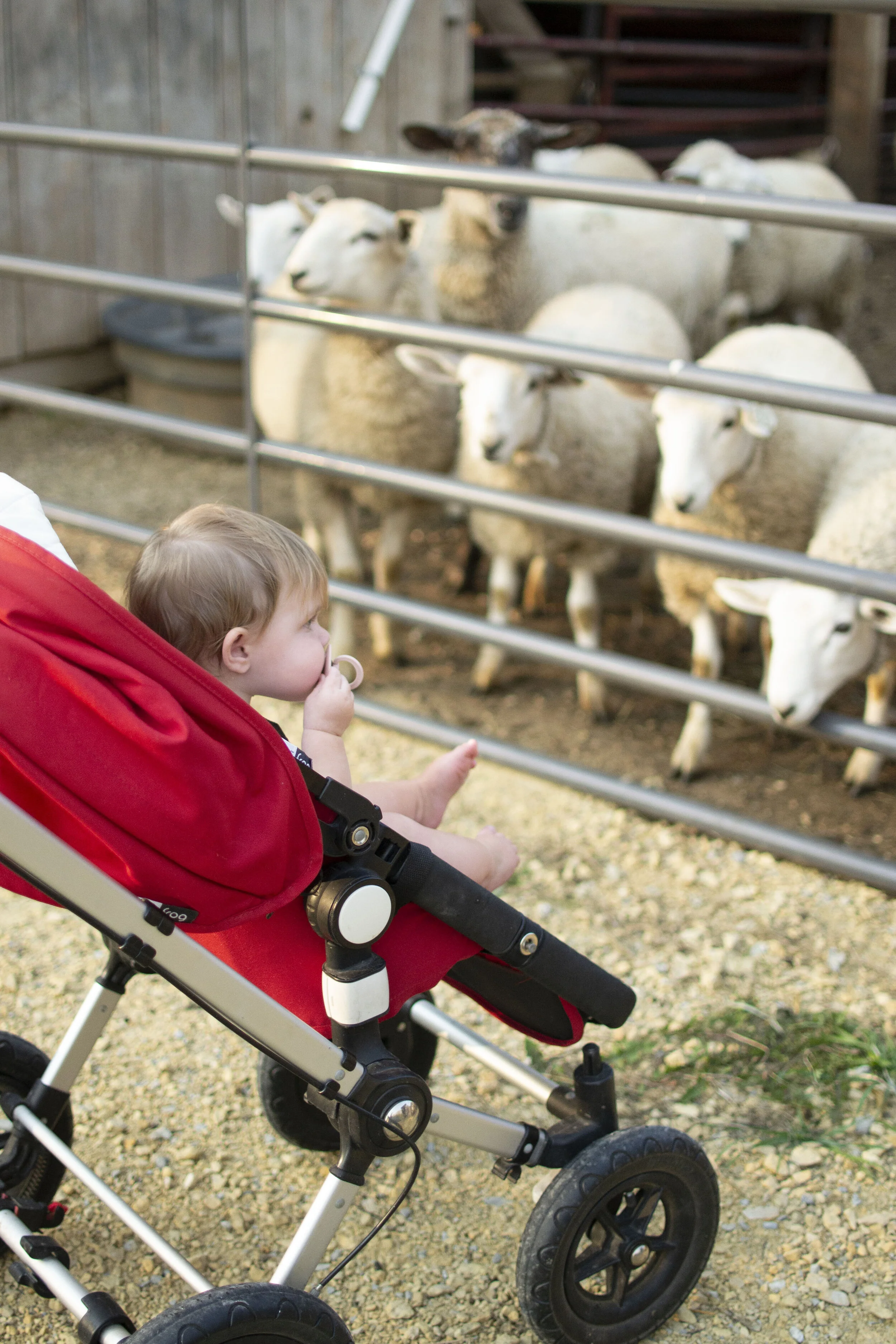
Maren and the cows
Our little FarmHer
Our little girl was a trooper her first year on the farm. She did chores with Mommy and never complained about being out in the field.